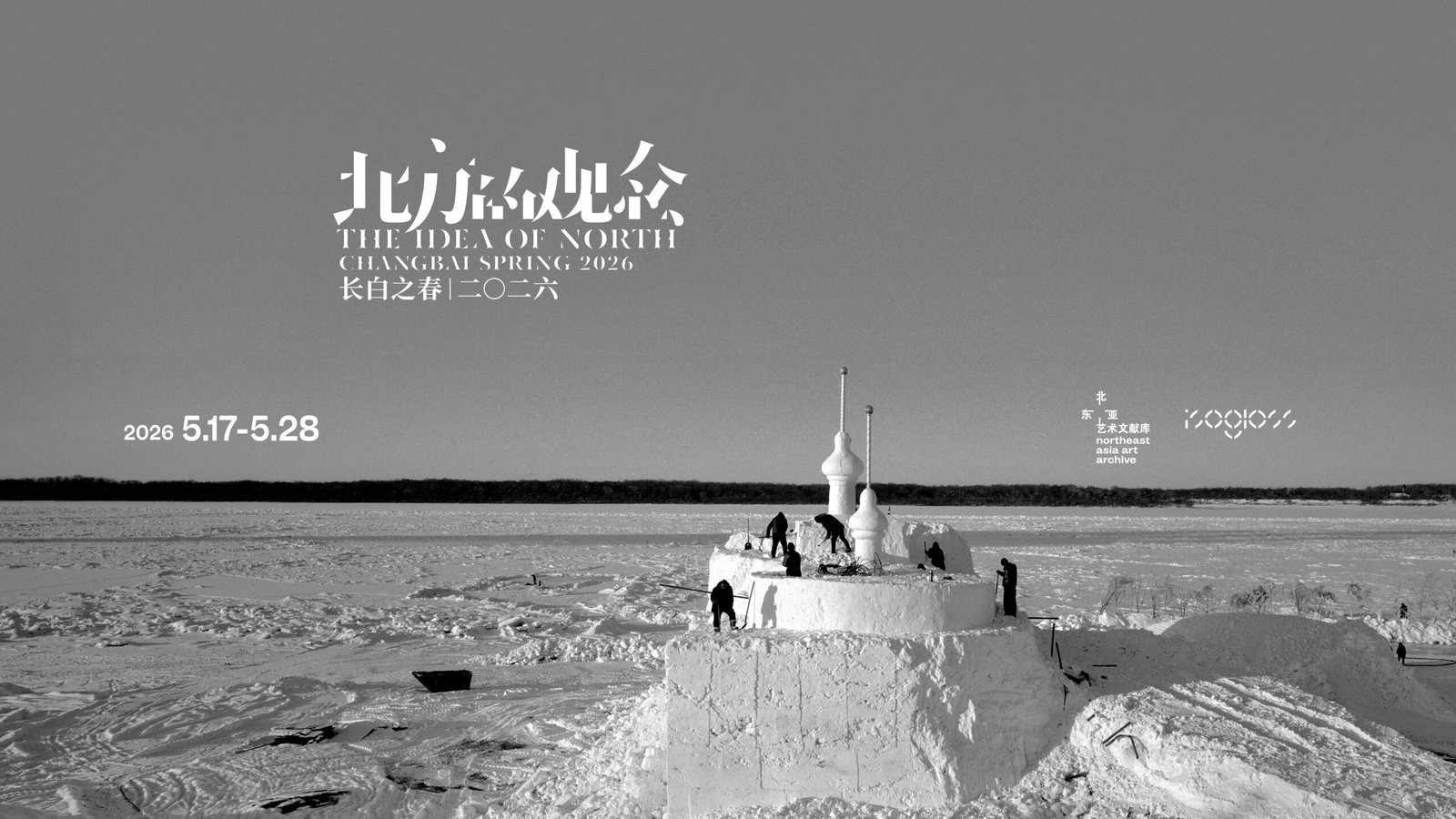
“Changbai Spring” is a long-term regional research project. At a time when the “Global South” has become a prominent academic discourse and direction for action, we turn northward. Across Northeast Asia—the region we take as our destination—layer upon layer of history has accumulated beneath vast expanses of ice and black soil, shaped over the long duration by an exceptionally cold climate. The region holds countless compelling subjects for research. It calls us back year after year: to encounter the land at close range, to investigate its geography and history, to meet the people who live there, and to explore the possibility of generating a new northern cultural assemblage.
“Changbai Spring” is a collective learning project dedicated to the reciprocal circulation and collaborative production of knowledge. To expand the research community of “Changbai Spring” each year and increase its capacity to accommodate different national, cultural, and professional backgrounds, we invite different guests and accept a new group of participants for each edition. To cover a wider range of research subjects and extend our geographical scope, we also endeavor not to repeat the annual theme or field-trip destinations. Last year, our travels focused primarily on Jilin and Liaoning. This year, we journeyed to Heilongjiang in addition to Jilin. In the future, we may travel to Hokkaido and the Russian Far East.
To facilitate greater interaction with local schools, this year we organized a full day of public programming at Jilin University of Arts. To strengthen the reciprocal nature of collective learning and ensure that every participant had the opportunity to speak and engage deeply with others, we divided into four smaller groups for open discussions in Changchun. Exchanges and presentations also unfolded aboard buses, high-speed trains, and sleeper trains. “Changbai Spring” became a classroom in motion—a school without a fixed campus.
This year’s theme, “The Idea of North,” takes its title from Glenn Gould’s 1967 radio documentary of the same name. It aimed to examine forms of regional identity grounded in extreme climates and embodied experiences of cold across the world’s high-latitude regions, together with the diverse cultures generated through these conditions.
The participants included more than forty curators, visual artists, choreographers, sound artists, architects, designers, filmmakers, poets, historians, scholars, local cultural researchers, and cultural practitioners from China, Australia, the United Kingdom, Italy, Germany, the United States, and Canada. From May 17 to 27, we undertook an intensive program of collective study and discussion, accompanied by field trips to Changbai Mountain, Yanbian, Huadian, Changchun, Yilan, Tongjiang, and Harbin. This article is a complete recap and summary of the ten-day program.
May 17, 2026
Introduction
欢迎晚宴
Welcome Dinner
Erdaobaihe Town
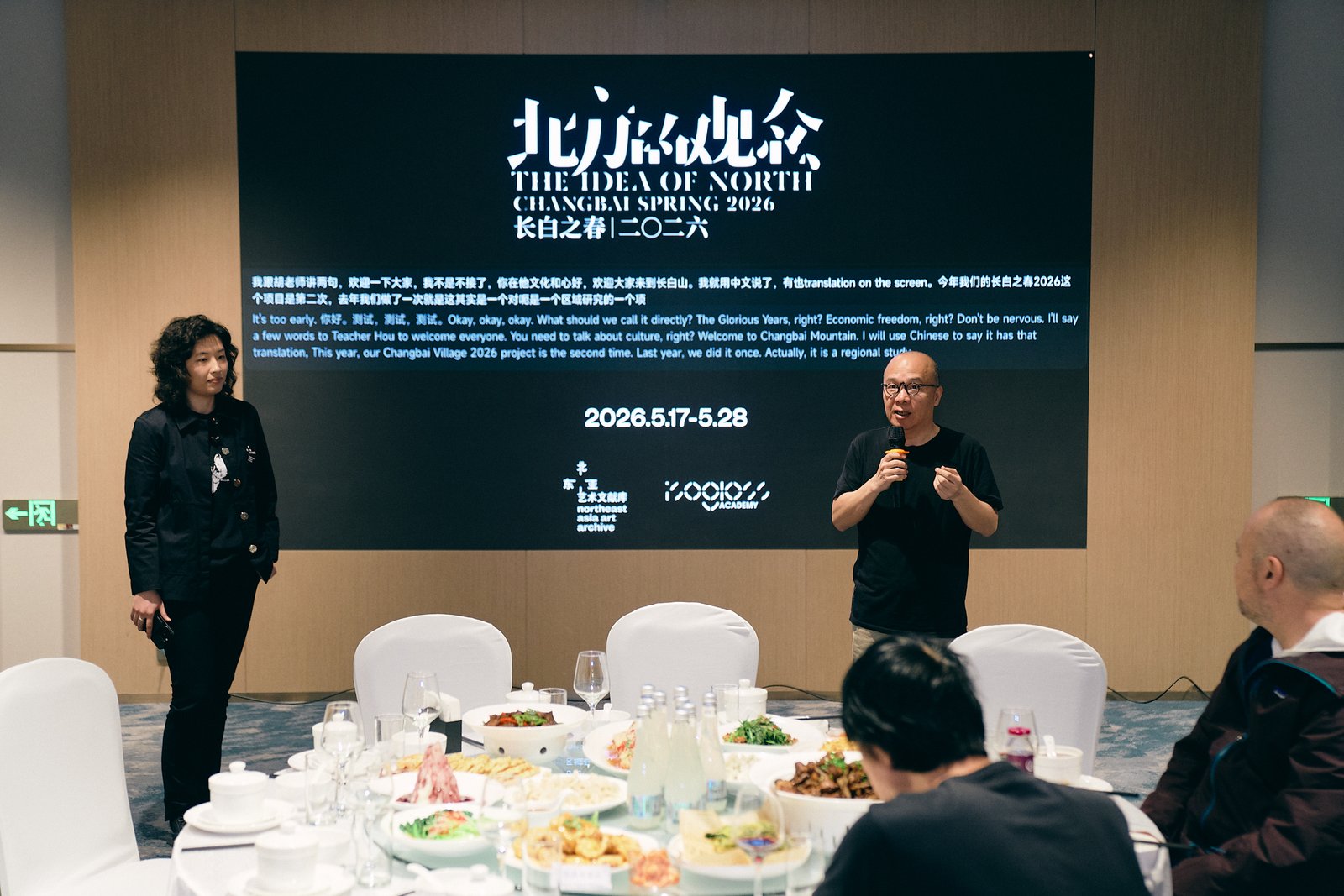
A simple opening ritual: before dinner began, everyone introduced themselves in turn. It marked the beginning of our transformation from strangers into acquaintances.
May 18, 2026
Field Trip
被分割的自然
The Divided Nature
Changbai Mountain
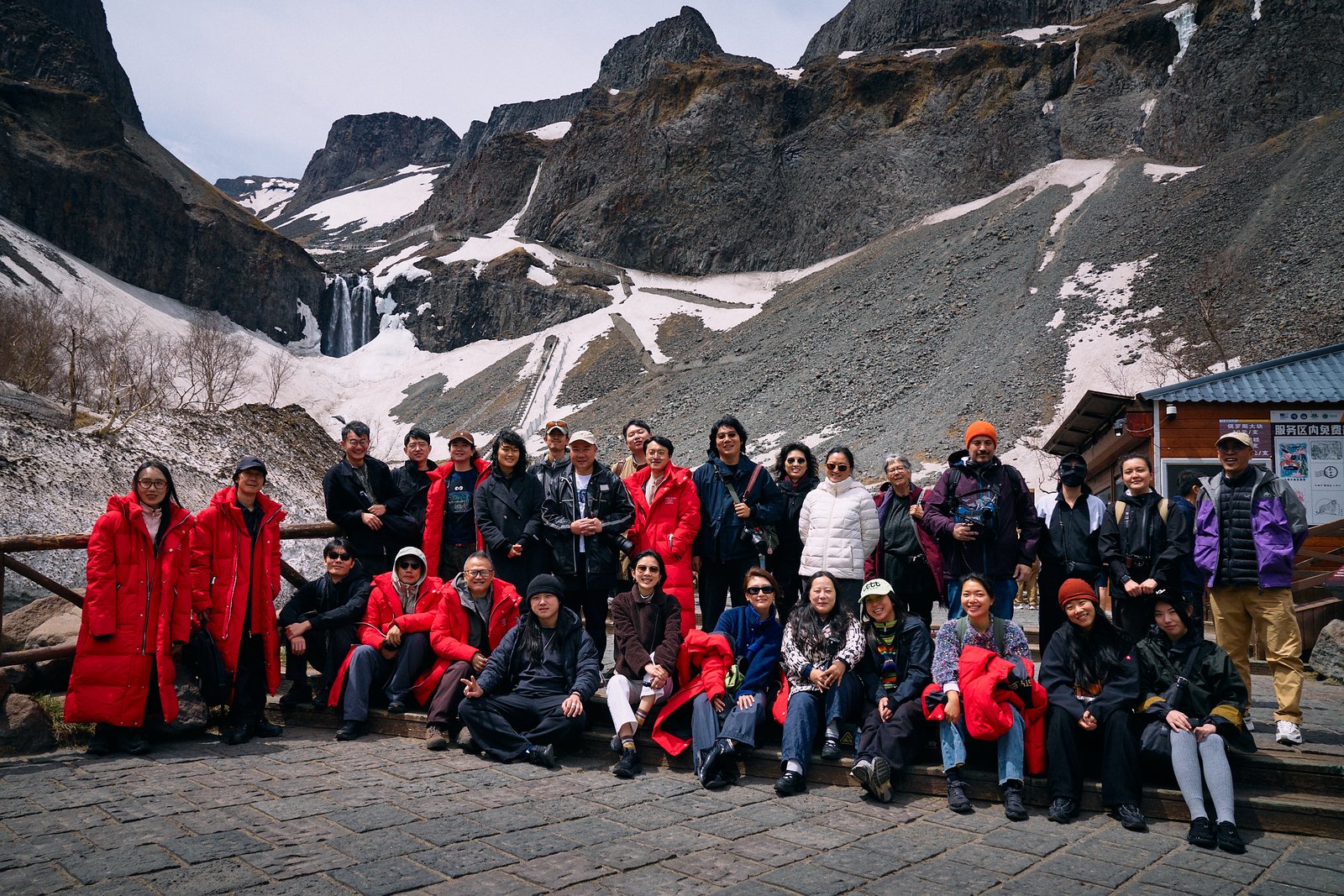
Changbai Mountain is a geographical symbol of Northeast Asia. The Songhua, Yalu, and Tumen rivers all originate here, nourishing the populations and cultures of the surrounding regions. For this reason, historical peoples including the Jurchen, Manchu, Goguryeo, and Korean communities have each claimed the mountain as an ancestral homeland.
Changbai Mountain is also the present-day border mountain between China and North Korea. Heaven Lake and the mountain itself are artificially divided by a straight line between the two nations, reflecting the impact that modern nationalist political concepts have imposed upon a natural environment that was once shared.
Last year, we hiked through the mixed forest below the mountain to observe its flora and fauna. This year, we ascended the mountain itself. Yet the mysterious Heaven Lake is frequently closed because of weather conditions, and we weren’t able to see it this time.
Exhibition and Discussion
赵智:北方以北
Zhao Zhi: The Far North
NAAA, Erdaobaihe
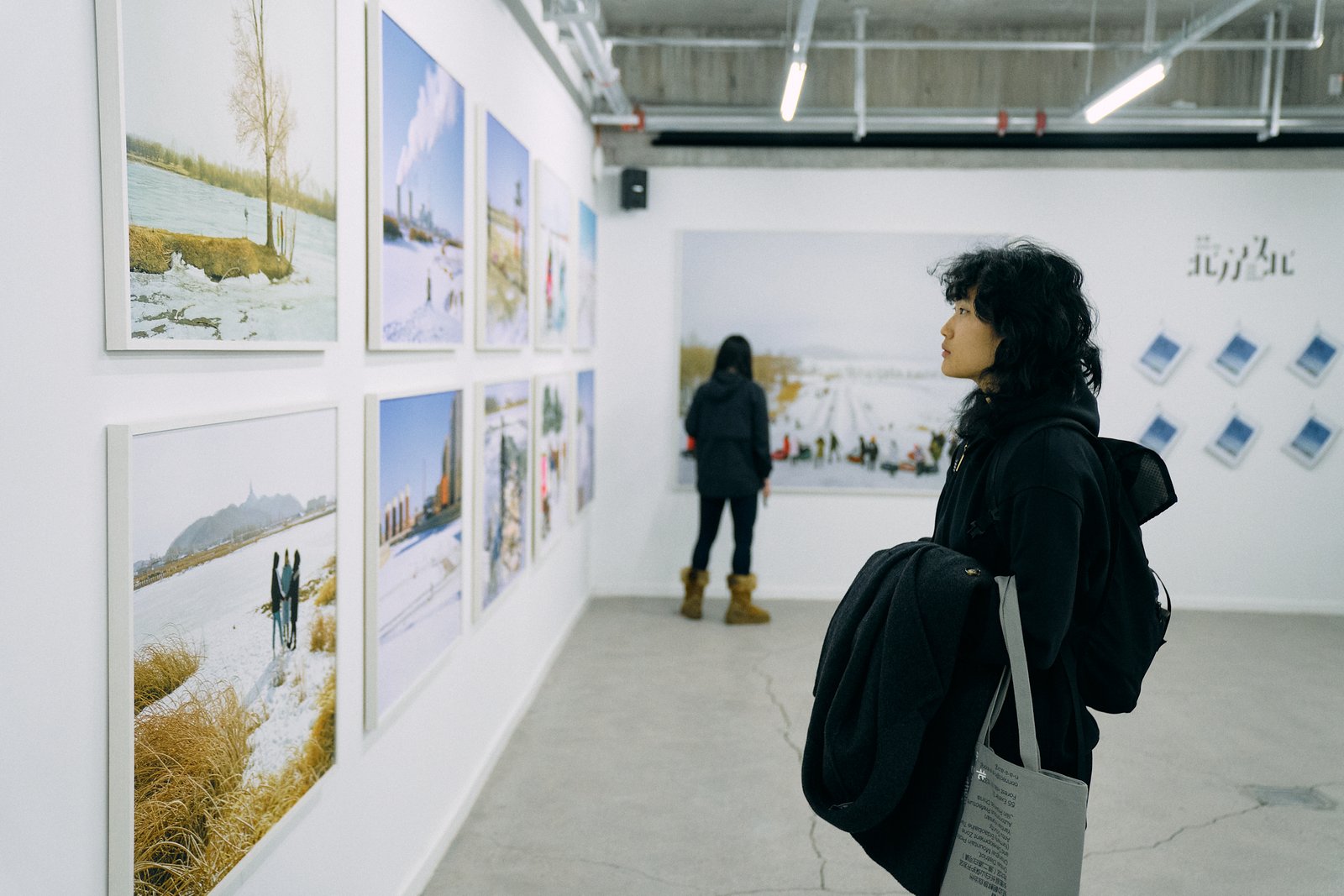
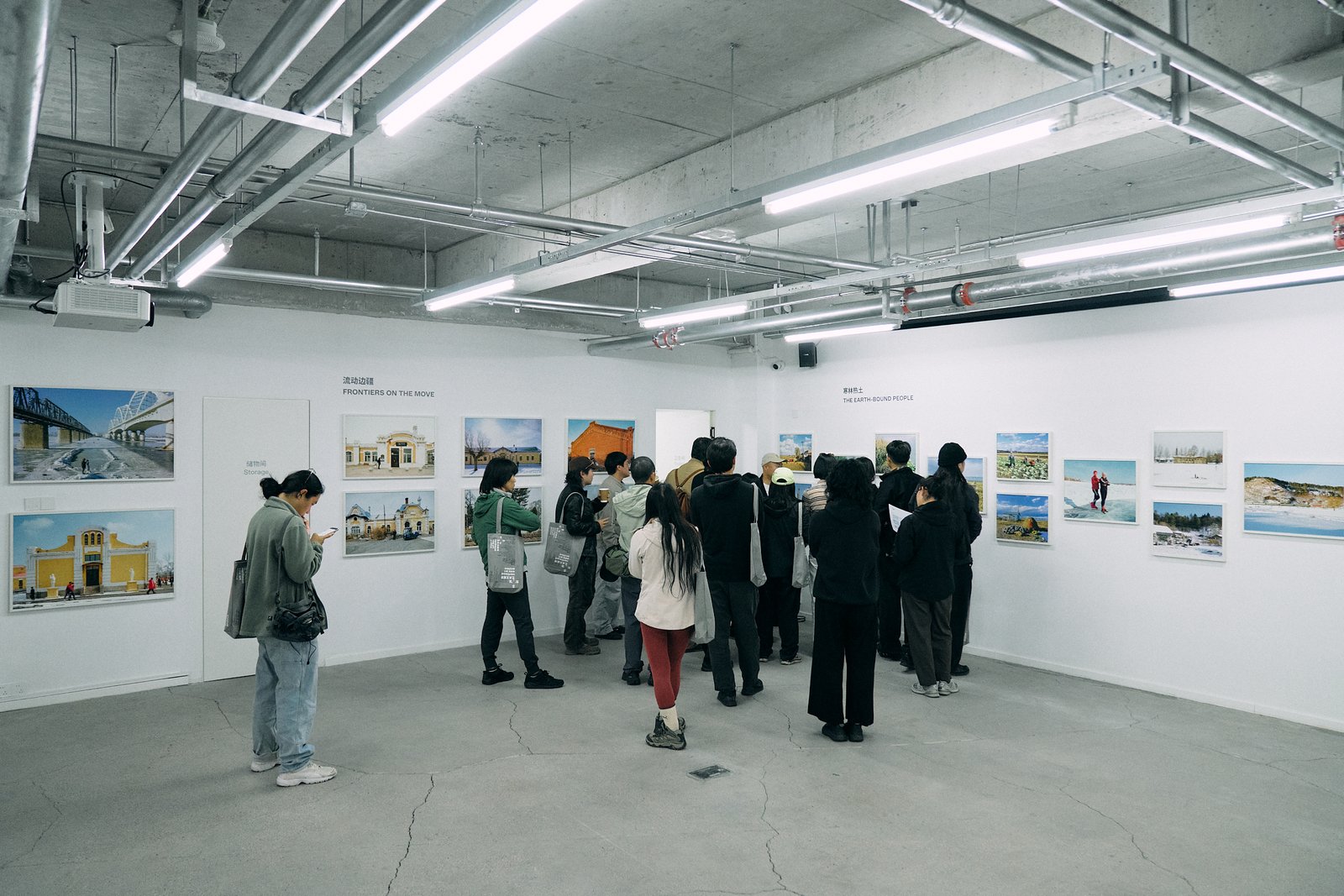
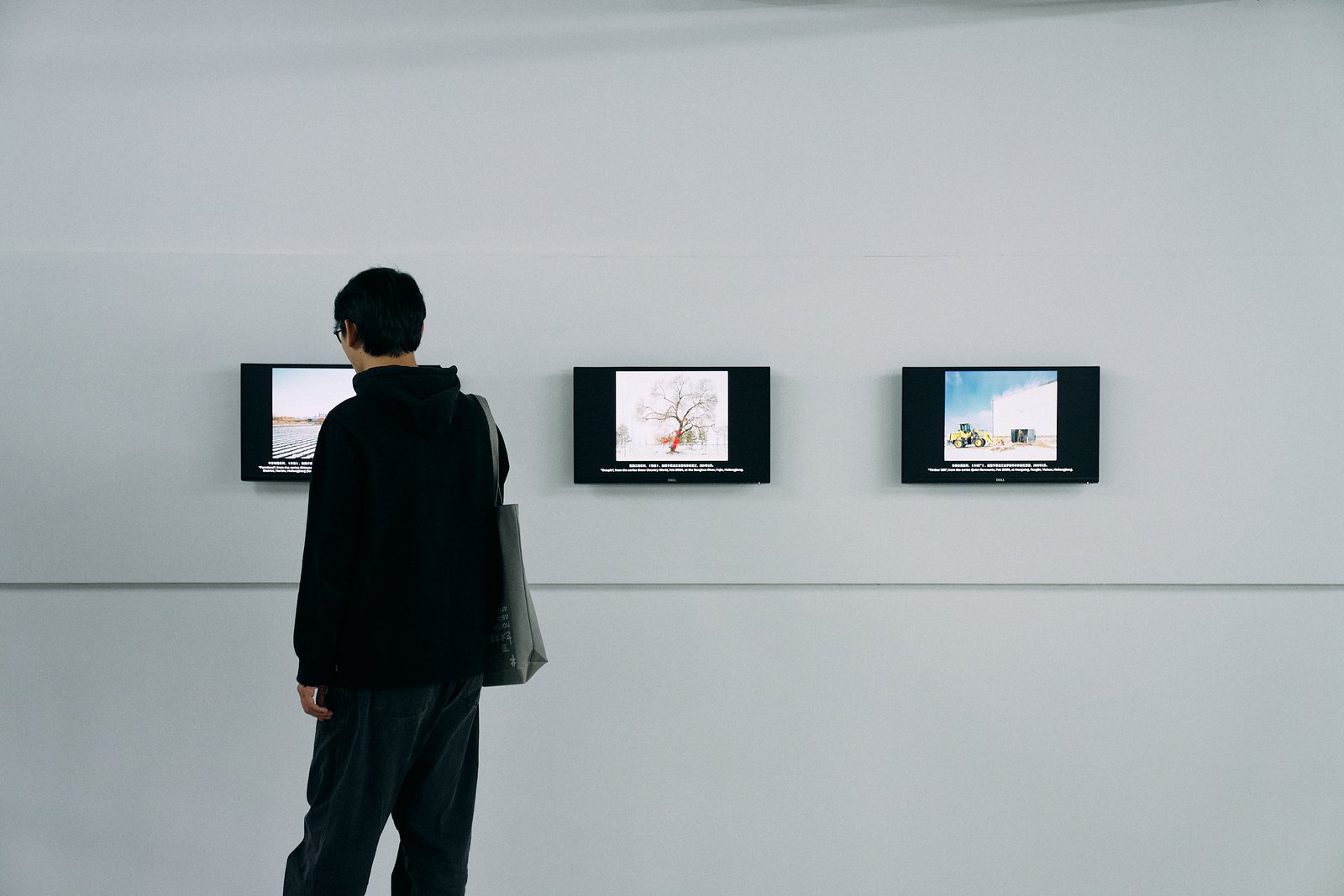
The exhibition brought together thirty-four pieces of work selected from four photographic series Zhao Zhi has produced in Heilongjiang since 2016: Snow Country World, Quiet Remnants, Vast Heaven and Thick Earth, and Chinese Eastern Railway. The exhibition is presented in three chapters—“The Frozen Dream,” “The Earth-bound People,” and “Frontiers on the Move”—while more works from the same series extend across three screens as an archival slideshow.
Heilongjiang, geographically China’s “far north” and historically referred to by the Japanese as “North Manchuria,” was a major focus of this year’s field trips. Zhao Zhi’s work therefore provided an advance visual reference for the journey ahead. The exhibition opened to the public on May 25 and will remain on view through September 18 by appointment only.
Zhao Zhi studied at the Lu Xun Academy of Fine Arts in Shenyang and was assigned to work in Harbin after graduation. When he began photographing Snow Country World, he was influenced by the typological photography of the Düsseldorf School and Hiroshi Sugimoto’s seascapes. Using a large-format view camera, he photographed the horizons of frozen rivers and lakes, capturing the vast solitude of northern geographical space and the dependence of human life upon nature between earth and sky.
He later turned toward the modern agriculture of eastern Heilongjiang, formerly known as the “Great Northern Wilderness (Beidahuang),” and the forestry industry of Yichun, producing the series Quiet Remnants and Vast Heaven and Thick Earth. In recent years, he has begun photographing Chinese Eastern Railway, focusing on the infrastructural heritage of the frontier.
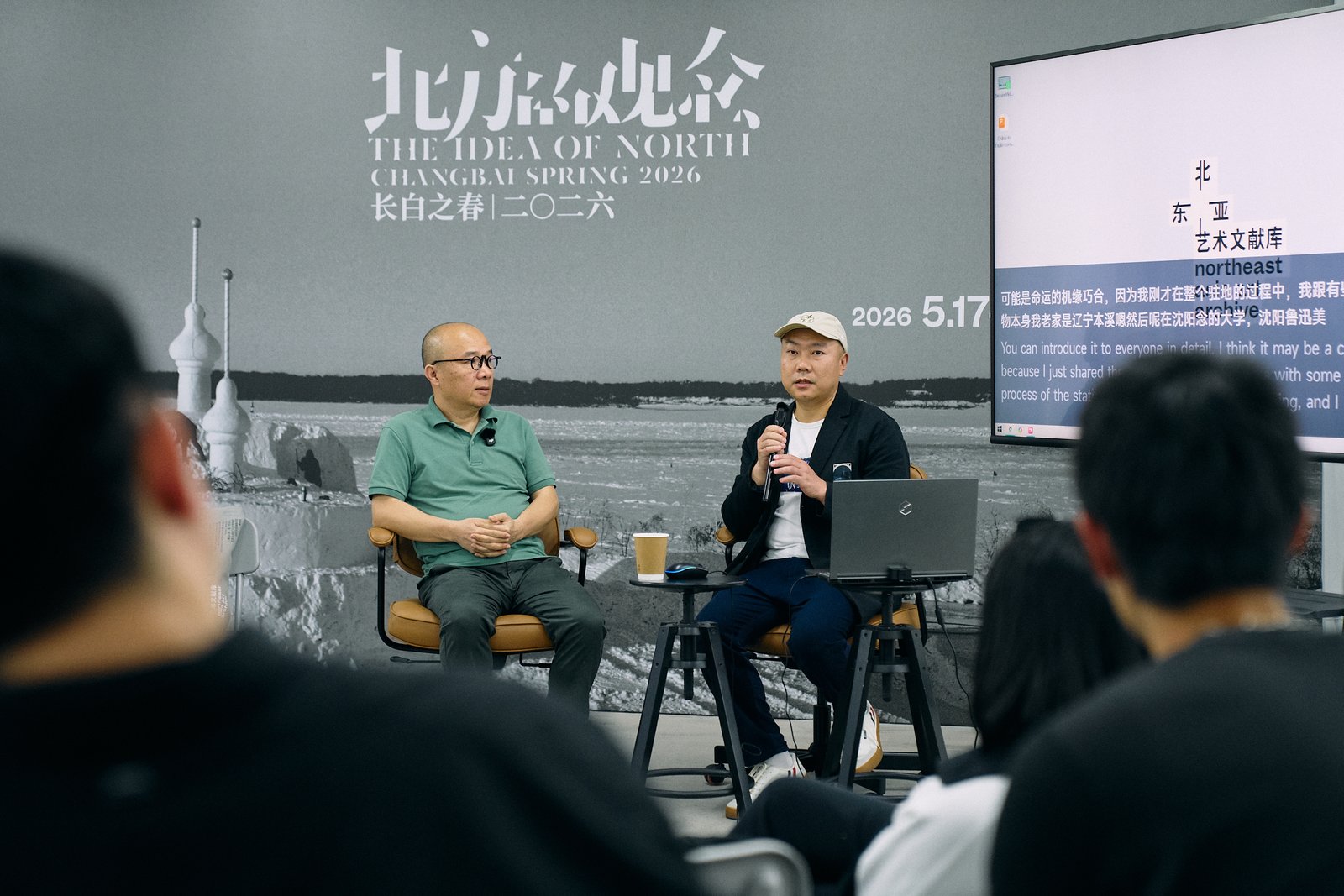
In conversation with Zhao Zhi, Ou Ning discussed the topophilia present in his images and his interpretation of “The Idea of North” through the relationship between stasis and movement. Yining He examined the relationship between Zhao’s practice and historical images of Northeast China, including those from the colonial and Republican periods, as well as the sequence and logic of fieldwork and archival research.
Sonny Meng Qi Xu and Feifei Zhou suggested on mapping geographical clues through architectural methodologies. Ariel Qinru Hou asked how Zhao negotiates the “difference in altitude” between the elevated perspective of Pieter Bruegel de Oude’s classical rural paintings, which he references, and the godlike aerial view of drone photography, which he opposes. Renee Yu Jin discussed with him on photography’s “passive waiting” and “active staging.”
身体练习
Body Practices
Led by Nini Dongnier
NAAA, Erdaobaihe
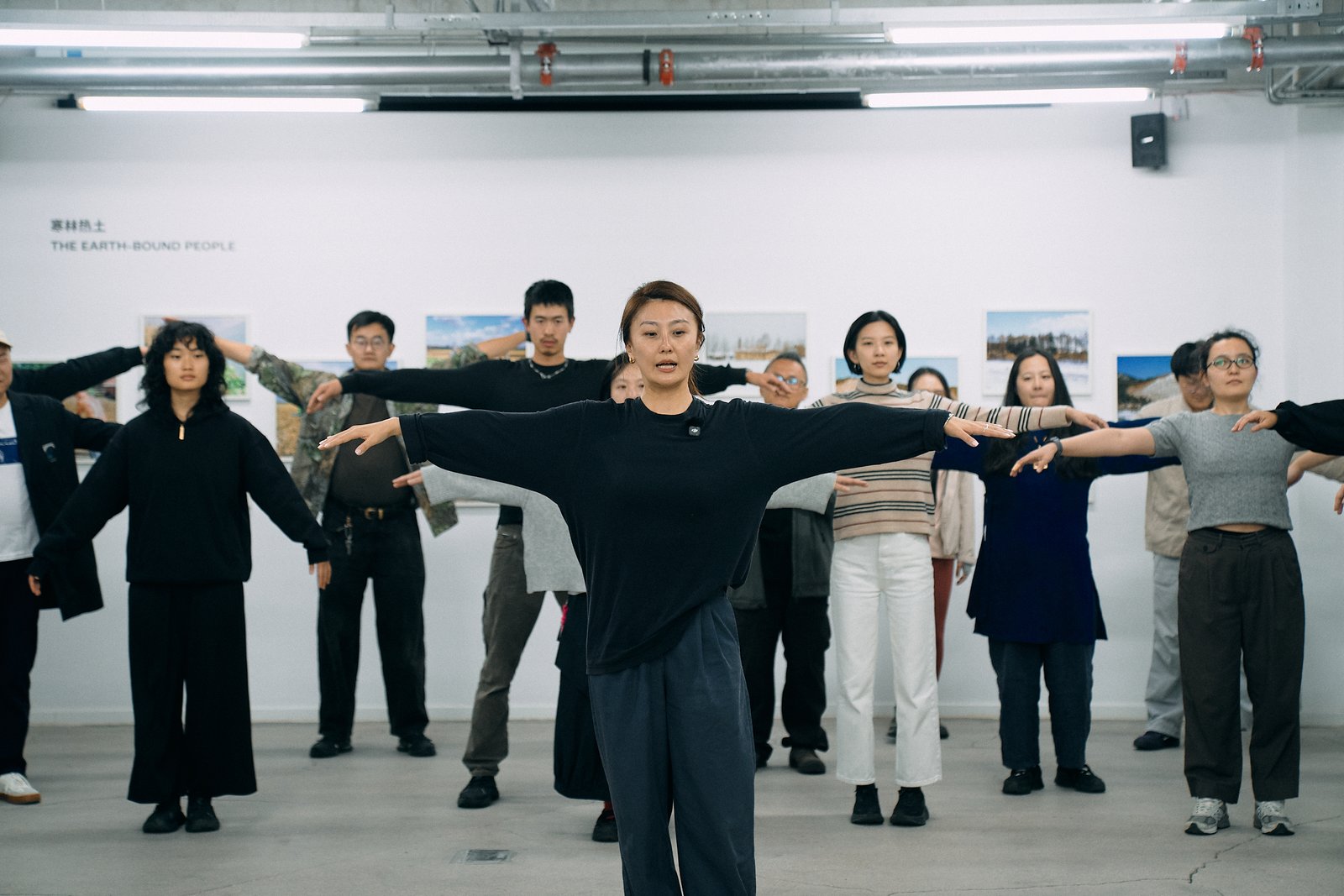
NiNi Dongnier’s “Body Practices” was a collective ritual that used silence, breathing, movement, and touch to experience the body’s gravity, reconnect consciousness with the body, and explore relationships between self and others, the body and local space, and the surrounding environment.
The session introduced us to basic movements and postures from Mongolian dance, including the flat step and distinctive hand positions. These exercises enabled us to identify some of the sources referenced in her solo performance the following day. They also allowed our minds to rest amid the intensive schedule of discussions.
Screening and Discussion
梦的拜访
Dream Visit in Winter
2025, Fiction Film, 72’00”.
Wang Songke, with Wang Zijian
NAAA, Erdaobaihe
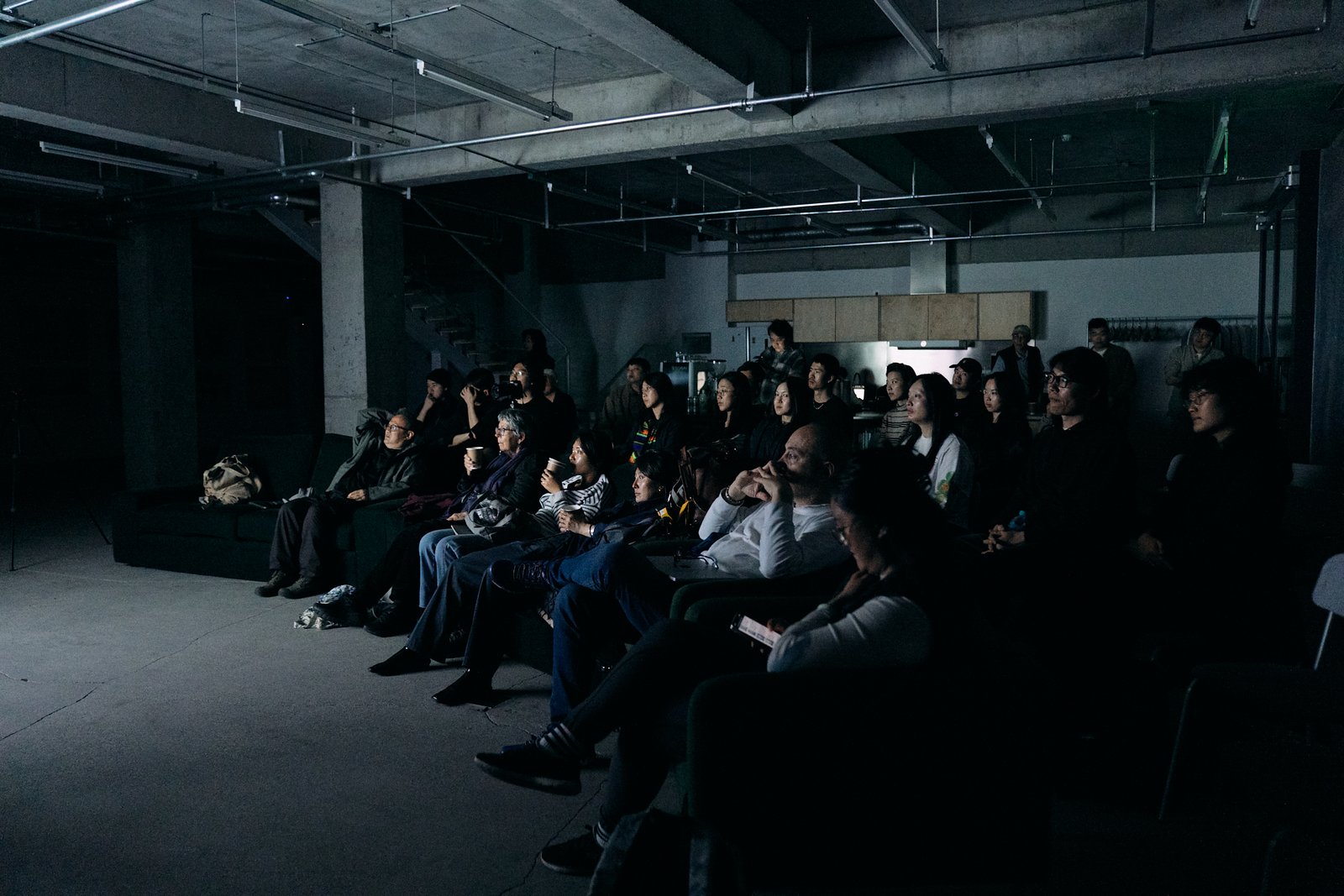
Dream Visit in Winter consists of three stories filmed respectively in Huadian, Yanbian, and Changchun. Each contains dream sequences and similar emotional states. Characters from each subsequent section appear briefly in the preceding one, passing one another without recognition and forming a nested structure across the film’s three narratives.
Unlike some recent films set in Northeast China that generate a sense of absurdity or comedy, Wang Songke’s low-budget production is closer to the auteur cinema of Zhang Lü. It explores a form of Slow Cinema characterized by understated plots and an intensified sense of everyday life, using a measured rhythm to accumulate and communicate fatalism, the sorrow of displacement, spiritual grief, and a distinctly northeastern melancholy.
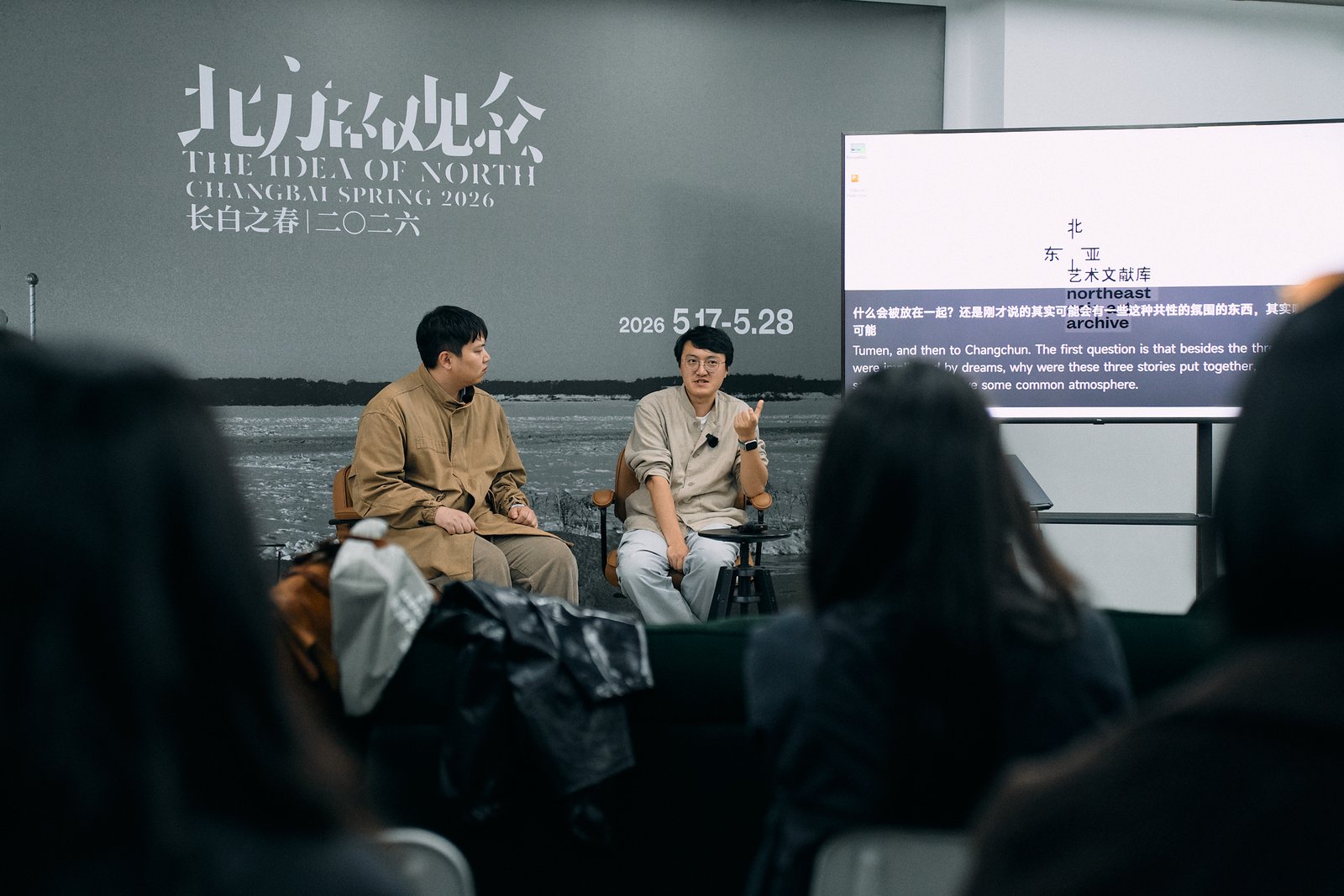
During the post-screening discussion, Wang Songke and Wang Zijian recalled numerous details from the production, including changes made through casting and location scouting, as well as the compromises and decisions involved in editing.
Kim Westfall was interested in the film’s Joseonjok characters. Li Kuizhe strongly identified with the scenes filmed in Tumen. Wang Hongzhe observed that the Huadian section opened up an interior space of collective life in Northeast China.
In response to NiNi Dongnier’s question about the Slow Cinema references behind the film, Wang Songke mentioned Kōji Fukada’s Tôkyô Ningen Kigeki, Jang Woo-jin’s Winter’s Night, and Hong Sang-soo’s Introduction, which were shared with the actors as references. He agreed with Dongnier’s observation regarding the restrained emotions of women in small cities, explaining that this perspective came entirely from his own experience.
May 19, 2026
Field Trip
间岛移民史
The History of Joseonjok in Gando
Yanbian Korean Autonomous Prefecture
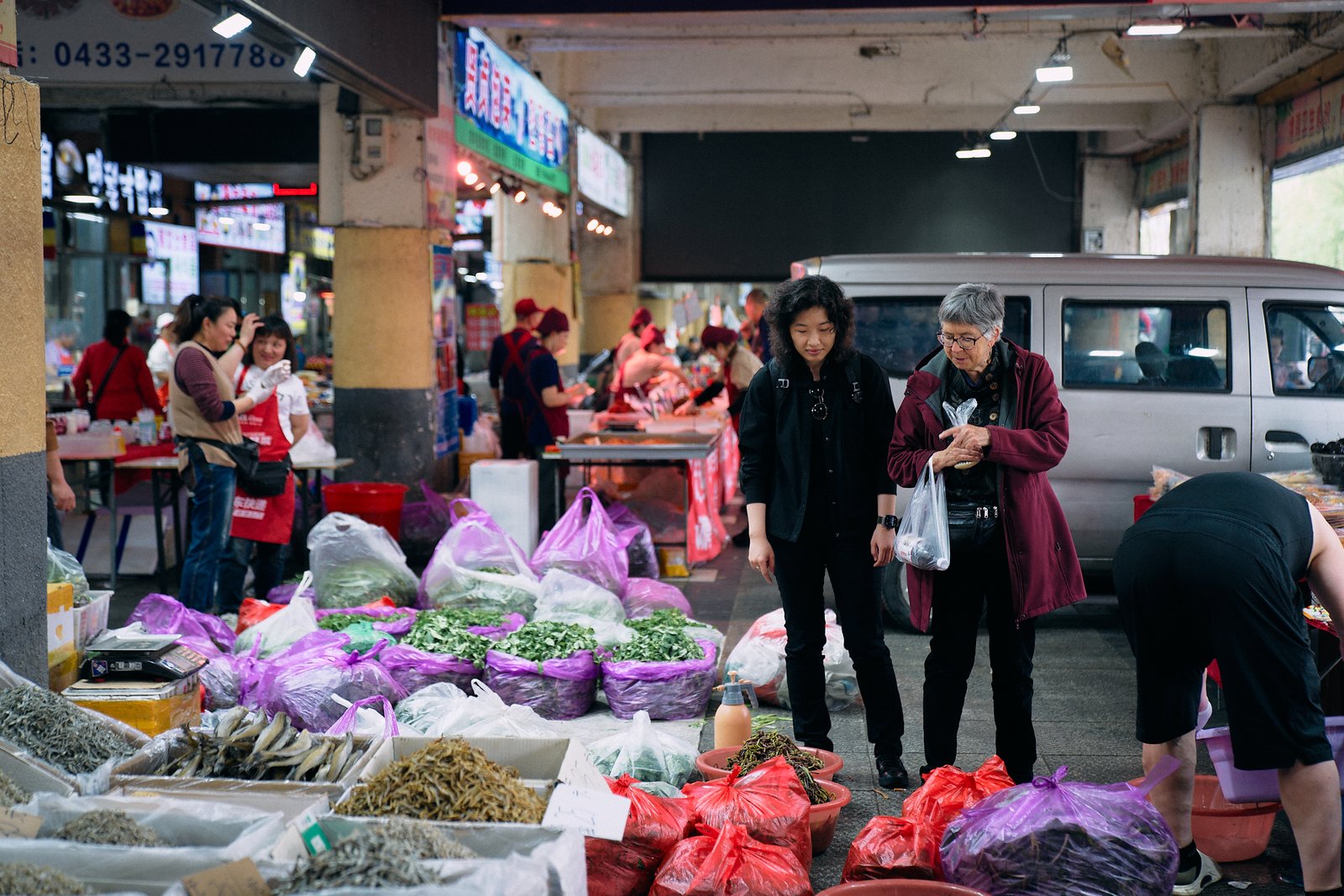
Yanji Water Market, also known as the Eastern Water Market, is located along the Yanji River and is the city’s largest morning market. It sells a wide range of Joseonjok foods, including rice cakes, kimchi, blood sausage, and rice wine, making it one of the best places to observe Joseonjok food production, consumption, and everyday life.
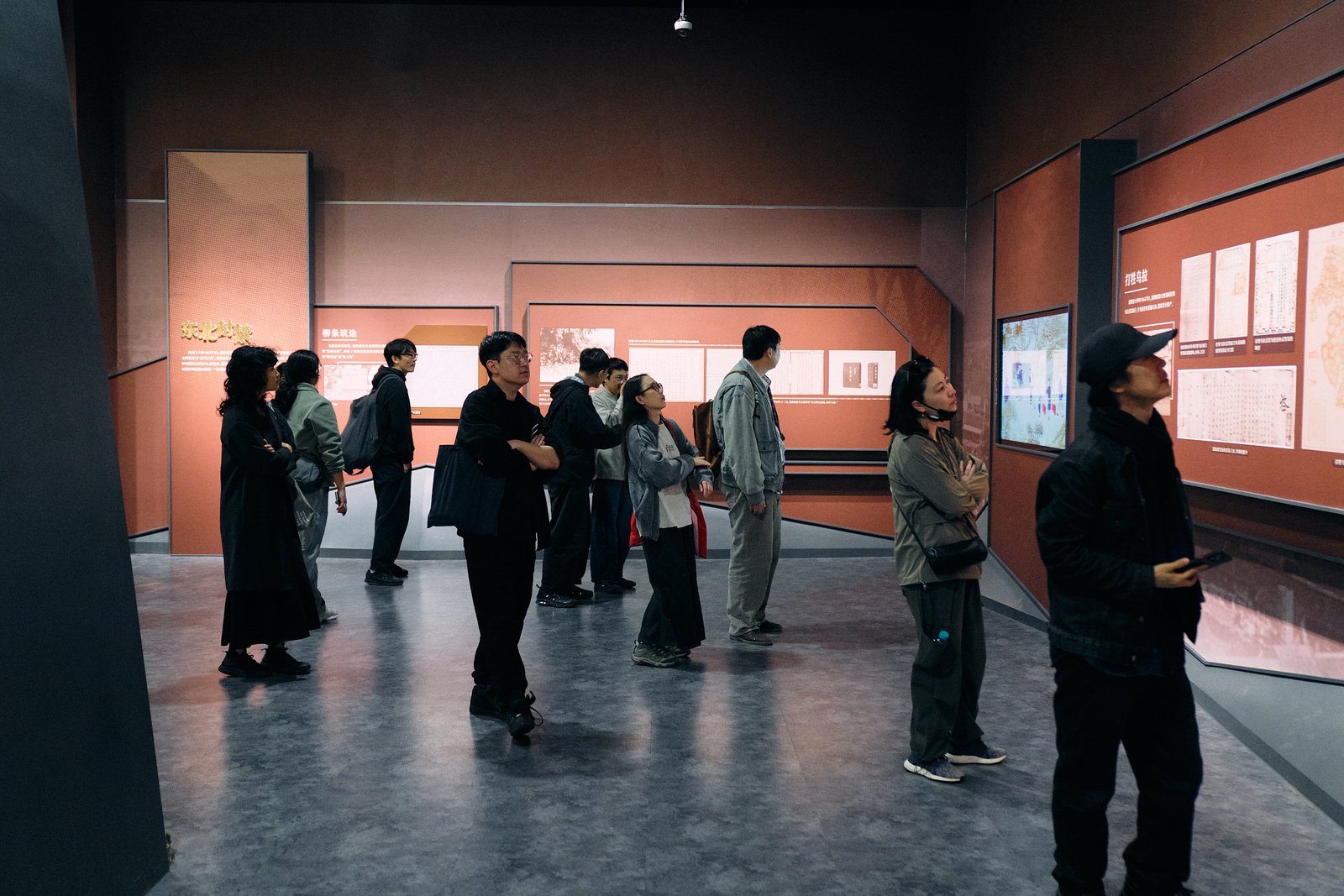
As in the previous year, we arranged a visit to the Yanbian Museum to learn about the migration history of the Joseonjok through its exhibitions. The museum includes two thematic exhibitions. The first, “Crossing the Pass and the River,” clearly traces the history of migrants who arrived in Yanbian, formerly known as Gando, from both the Korean Peninsula and the regions south of the Great Wall between the Qing dynasty and the Republican period. The second, “Folk Culture,” presents a contextualized overview of the region’s diverse ethnic cultures.
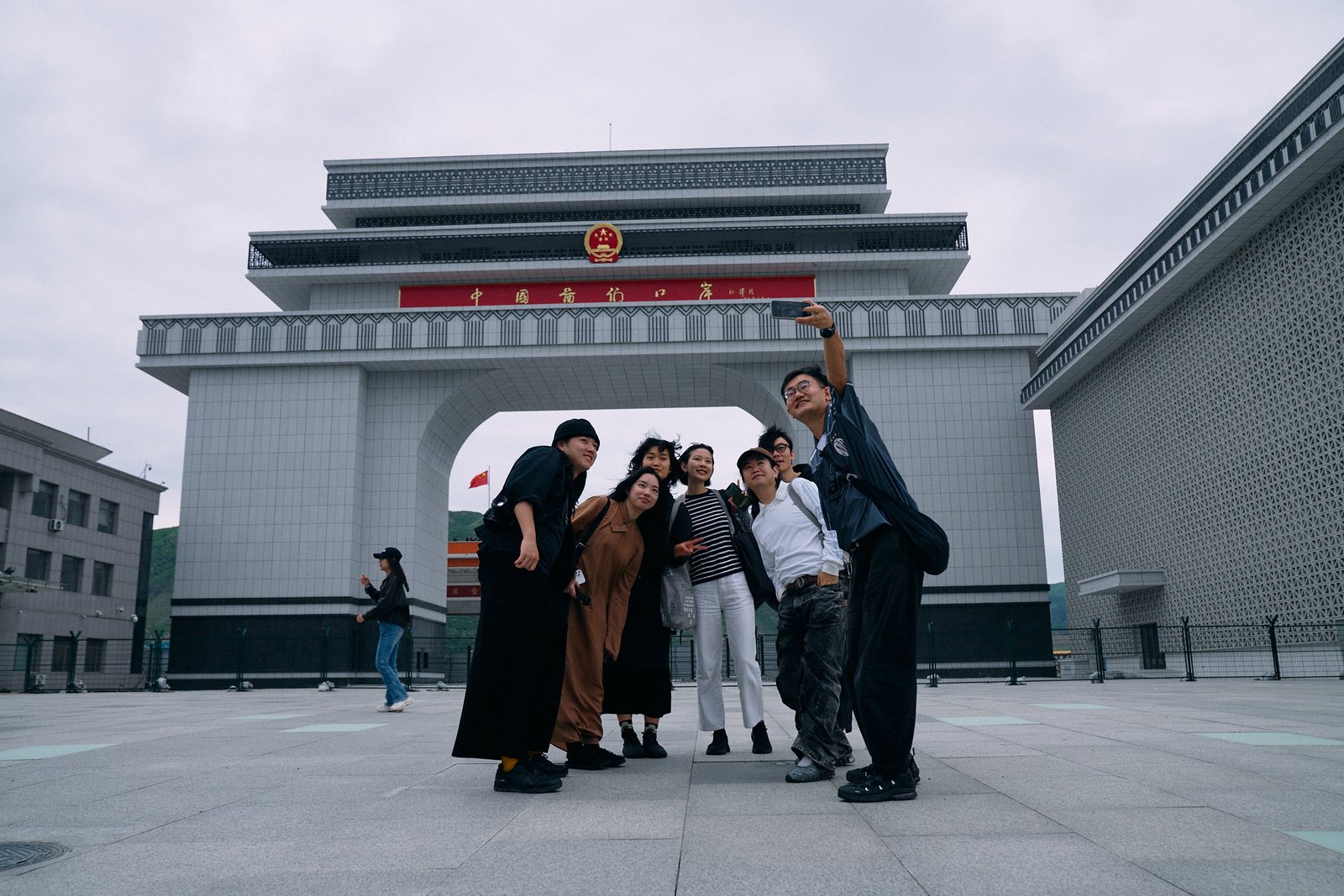
The location of today’s Tumen Port was originally known as Xiadianzi. Situated on the Tumen River, it became a subordinate customs checkpoint under the Hunchun Customs Office established by the Qing government in 1909.
After the Yanbian Tiantu Light Railway opened in 1924 and connected with the railway network of northern Korea, trade increased sharply. The main customs office was transferred to Longjing, then the largest Korean migrant settlement, while Hunchun became a branch office.
In 1933, the opening of the Dunhua–Tumen Railway and completion of the railway bridge connecting Tumen with Namyang in Korea led Manchukuo to rename Xiadianzi as Tumen and establish a customs office there. In 1935, Tumen Customs absorbed the Longjing office and became the main customs authority. By 1939, it was the second-largest customs port in Northeast China after Dalian.
It is the earliest-established and longest-operating port in Jilin Province. Its highway port was built in 1941, while its railway port began handling international freight in 1954. Through the North Korean railway system, it can connect with Russian transport routes.
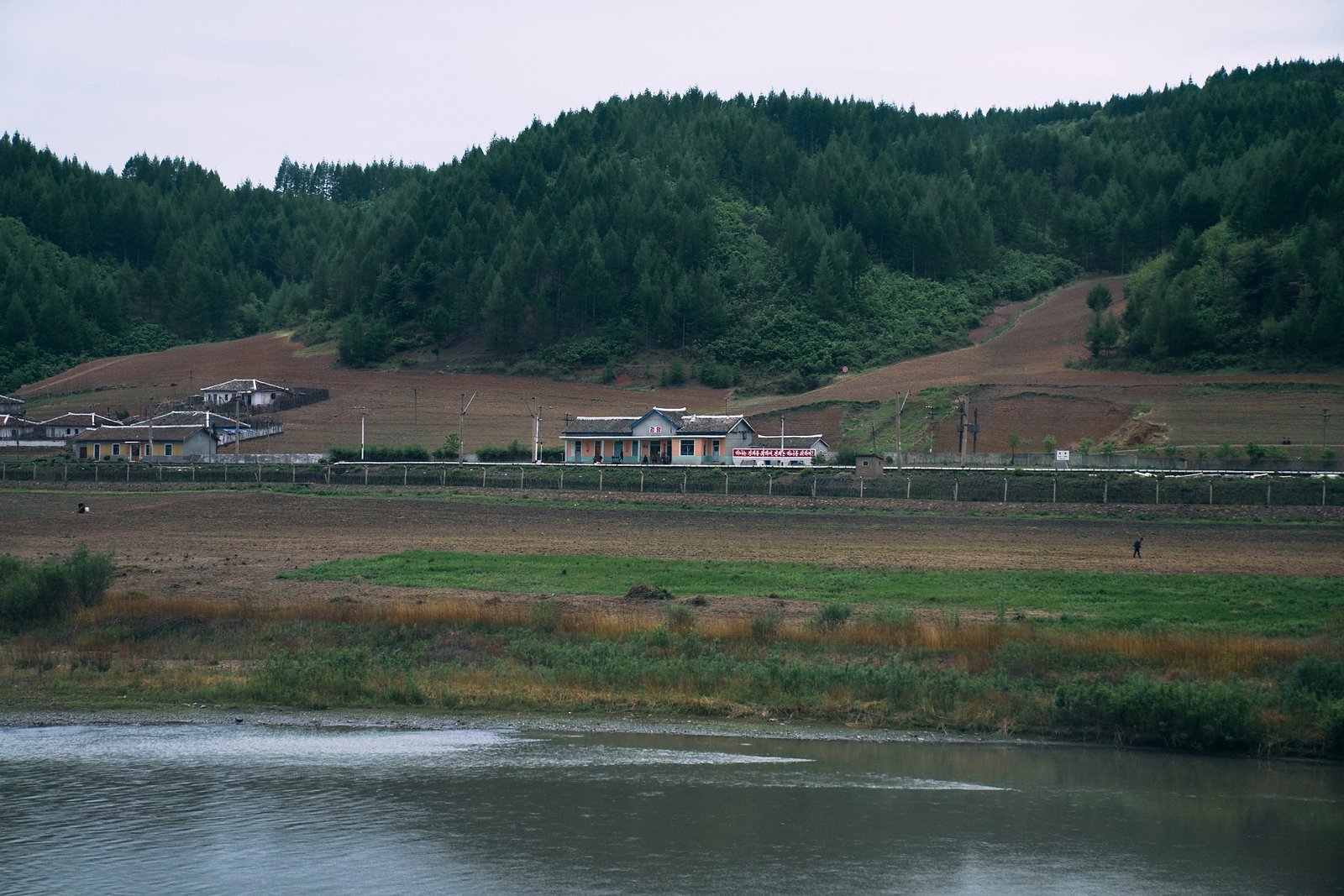
Traveling south from Tumen Port along the Tumen River, the border between China and North Korea, toward Yueqing Town, we could clearly see villages on the opposite bank.
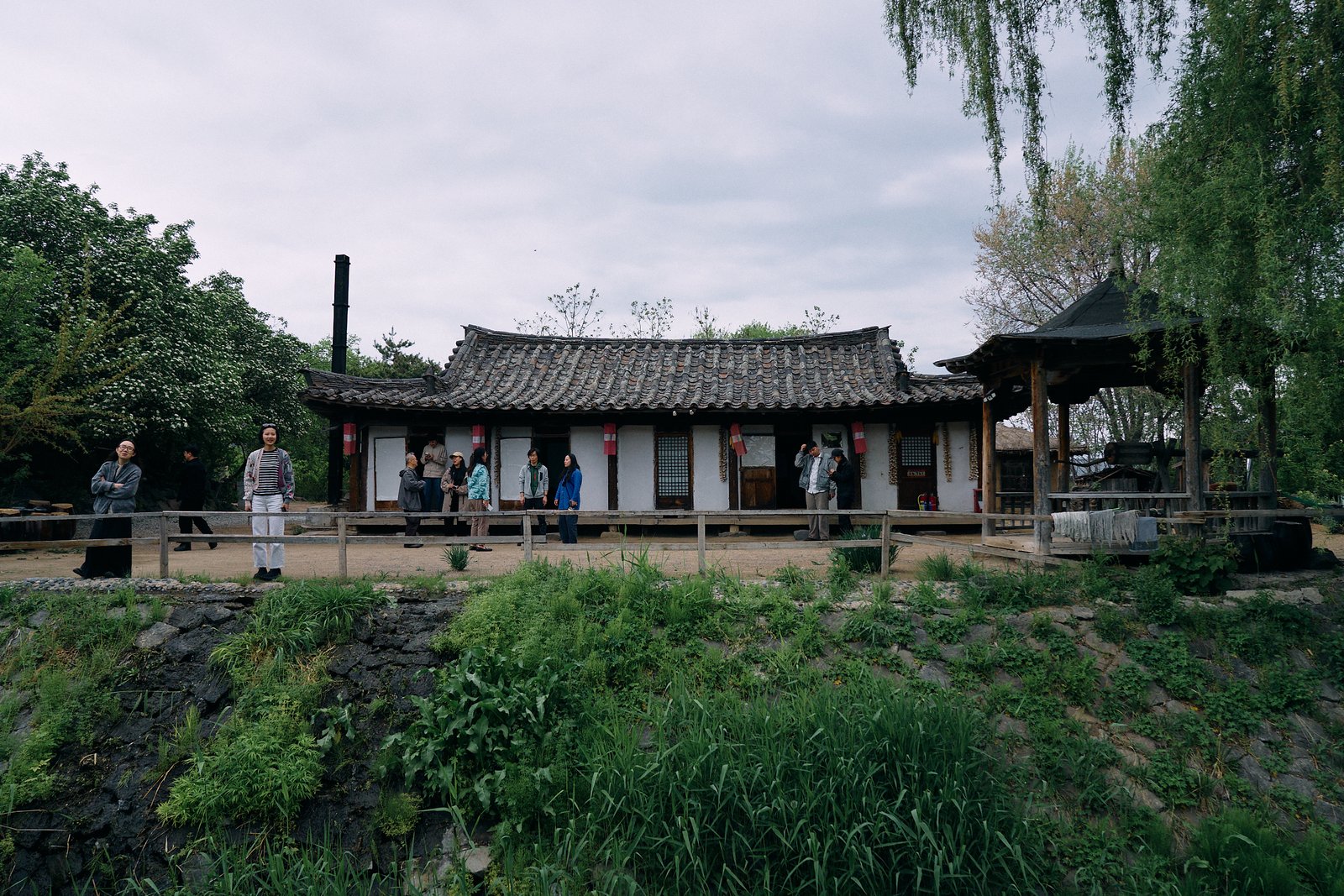
Bailong Village, a Joseonjok settlement in Yueqing Town, still preserves a typical earthen-and-timber tiled house. Construction began in 1877 under the Korean migrant Park Yeo-geun and was completed three years later in 1880. Changbai Mountain timber was floated down the Tumen River, while green roof tiles were transported by boat from Korea. The house was built using traditional broad and narrow adzes. Lotus motifs rise from both ends of the roof ridge, and no iron nails were used in its construction.
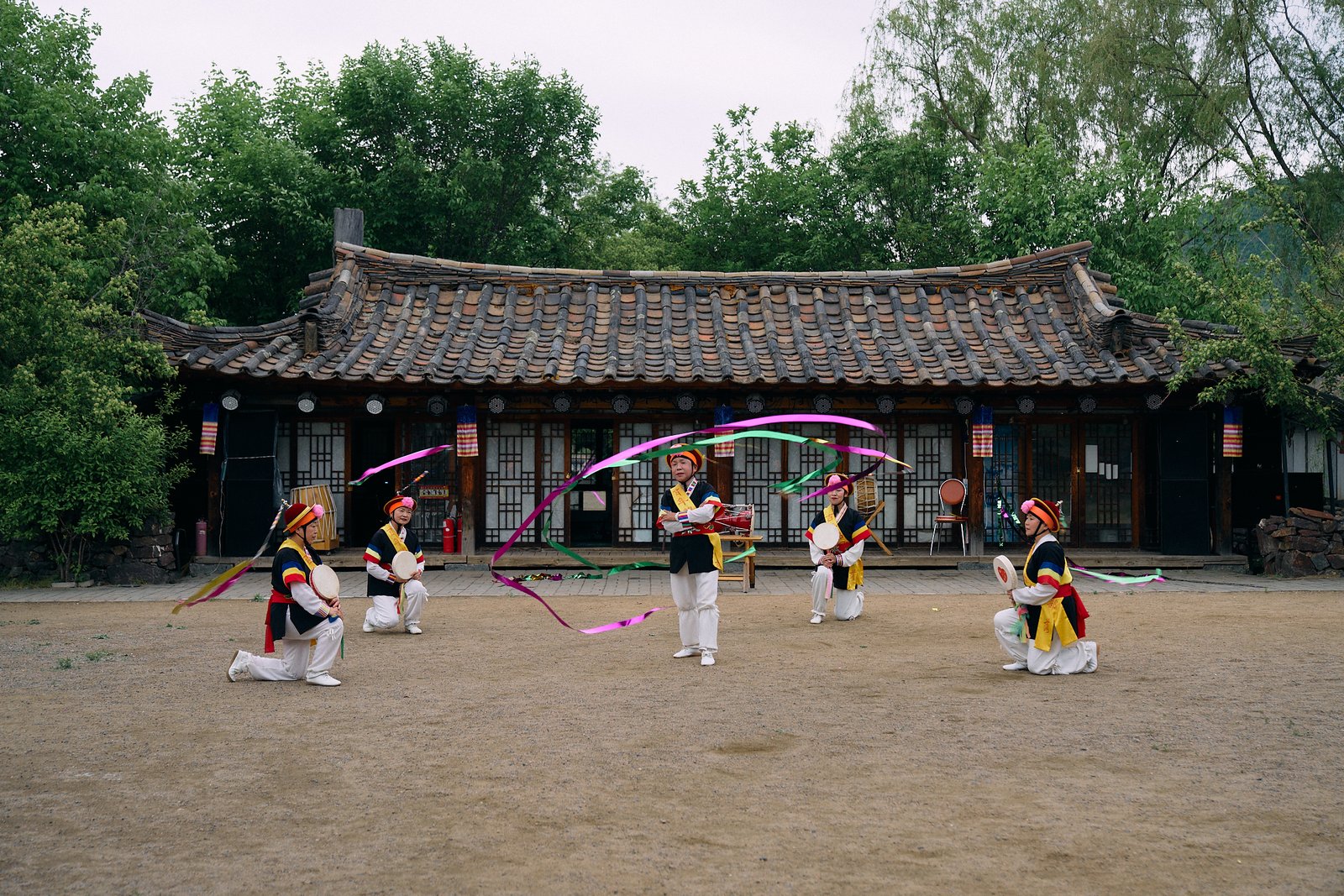
Sangmo-mu is one of the principal forms of traditional Korean farmers’ dance, or Nongak. Nongak, also known as Pungmul, originated in collective agricultural culture and was performed during farm work, village gatherings such as weddings, and Korean shamanic rituals.
Nongak was brought to Yanbian by early Korean migrants. The best-known local form is the Sangmo dance introduced from Gangwon Province to Wangqing County in 1927. In Bailong Village, Sangmo-mu has become a principal performance used to present traditional Joseonjok culture.
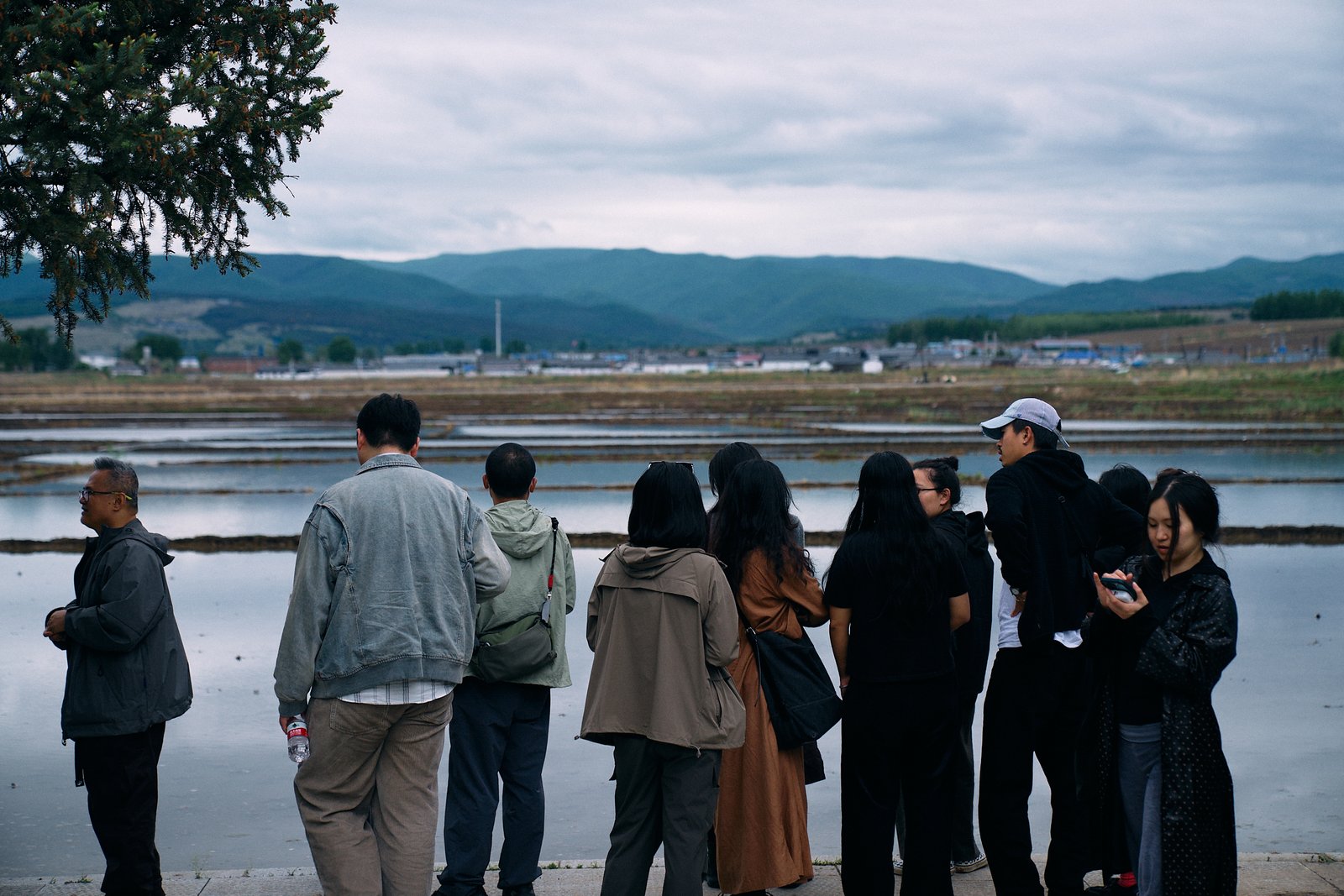
When we visited the Manchukuo Royal Rice Field on May 8 last year, we saw dry land that had recently been loosened. When we returned on May 19 this year, water had just been diverted into the fields in preparation for rice transplantation.
The vast fields of Xiaquanping in Guangzhao Village, Kaishantun Town, along the Tumen River, became farmland for Korean famine refugees who crossed the river after 1860 from Jongseong in Onsong County, North Hamgyong Province. Around 1890, they developed the first paddy field in the area, introducing rice cultivation to Yanbian.
In 1935, the Korean farmer Choe Hak-chul, originally from North Chungcheong Province, settled in Xiaquanping and invented an oiled-paper seedbed method that substantially increased rice yields and improved grain quality. In 1941, Manchukuo granted Choe additional paddy fields to produce rice exclusively for Puyi’s imperial table. This was the origin of the so-called “Manchukuo Royal Rice Field.”
North of Xiaquanping lies Chuankou Village. A sandbar once stood in the Tumen River between Chuankou and Jongseong. It served as an intermediate station for the earliest Korean farmers crossing into China to cultivate land and was known at the time as Gando. This is the origin of the geographical name. As the migrant population grew and expanded, “Gando” gradually came to refer to the wider area now known as Yanbian.
The sandbar no longer exists, but the nearby Imperial Rice Fields remain an essential destination in our efforts to trace the origins of Joseonjok migration.
May 20, 2026
Field Trip
以市场为听域
The Market as a Listening Field
Led by Leandro Pisano
Weimin Open-Air Market Fair, Chibei District, Antu County
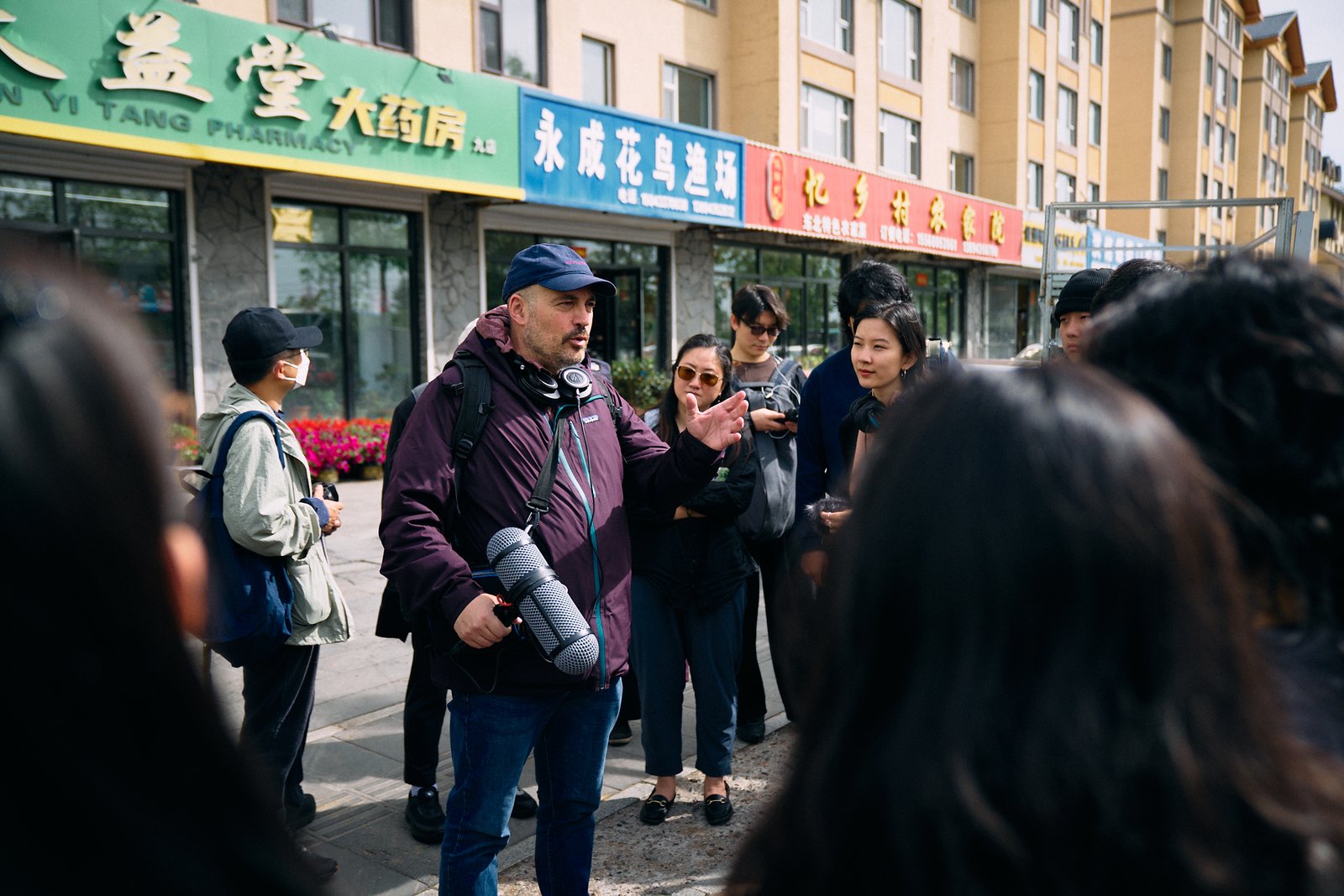
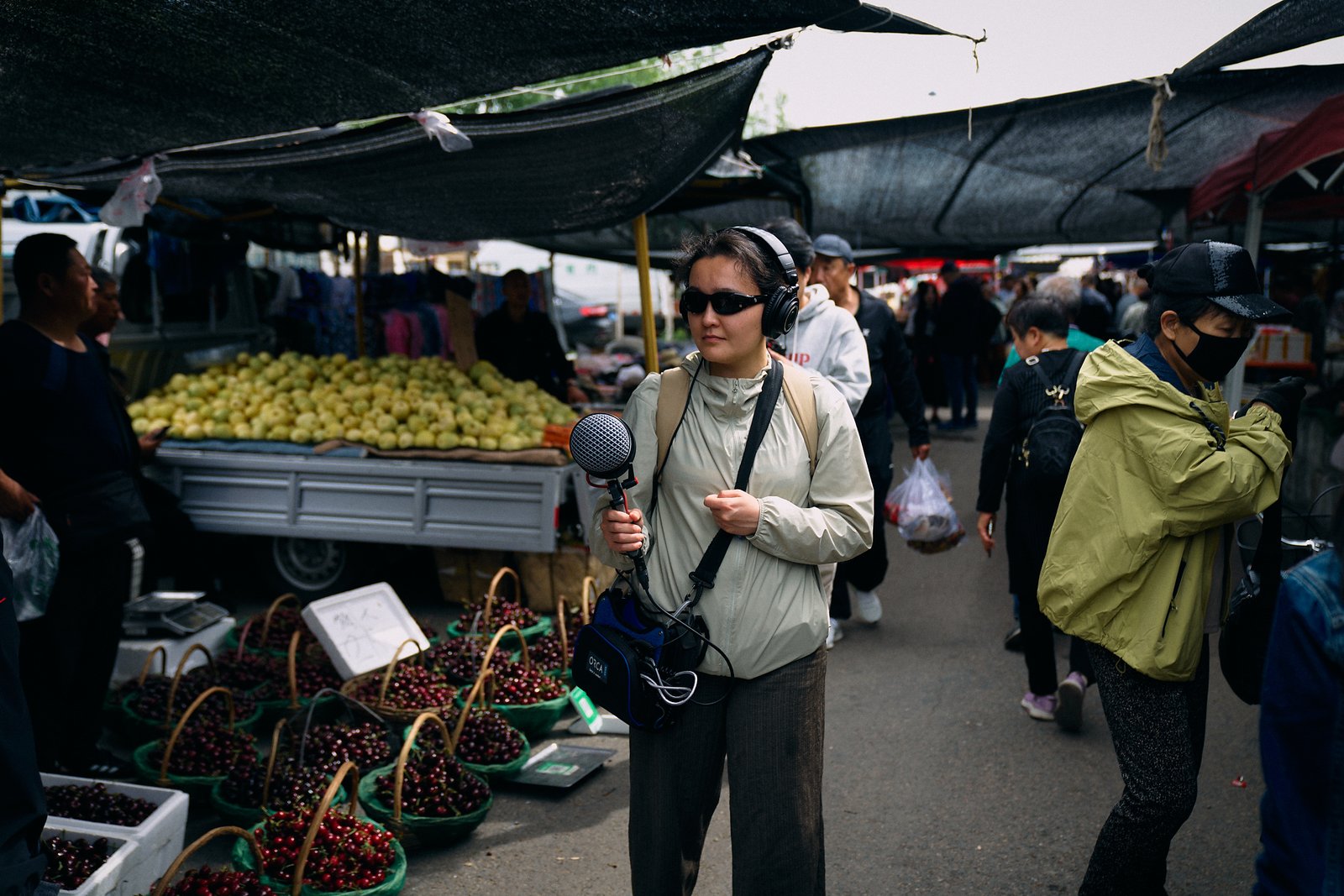
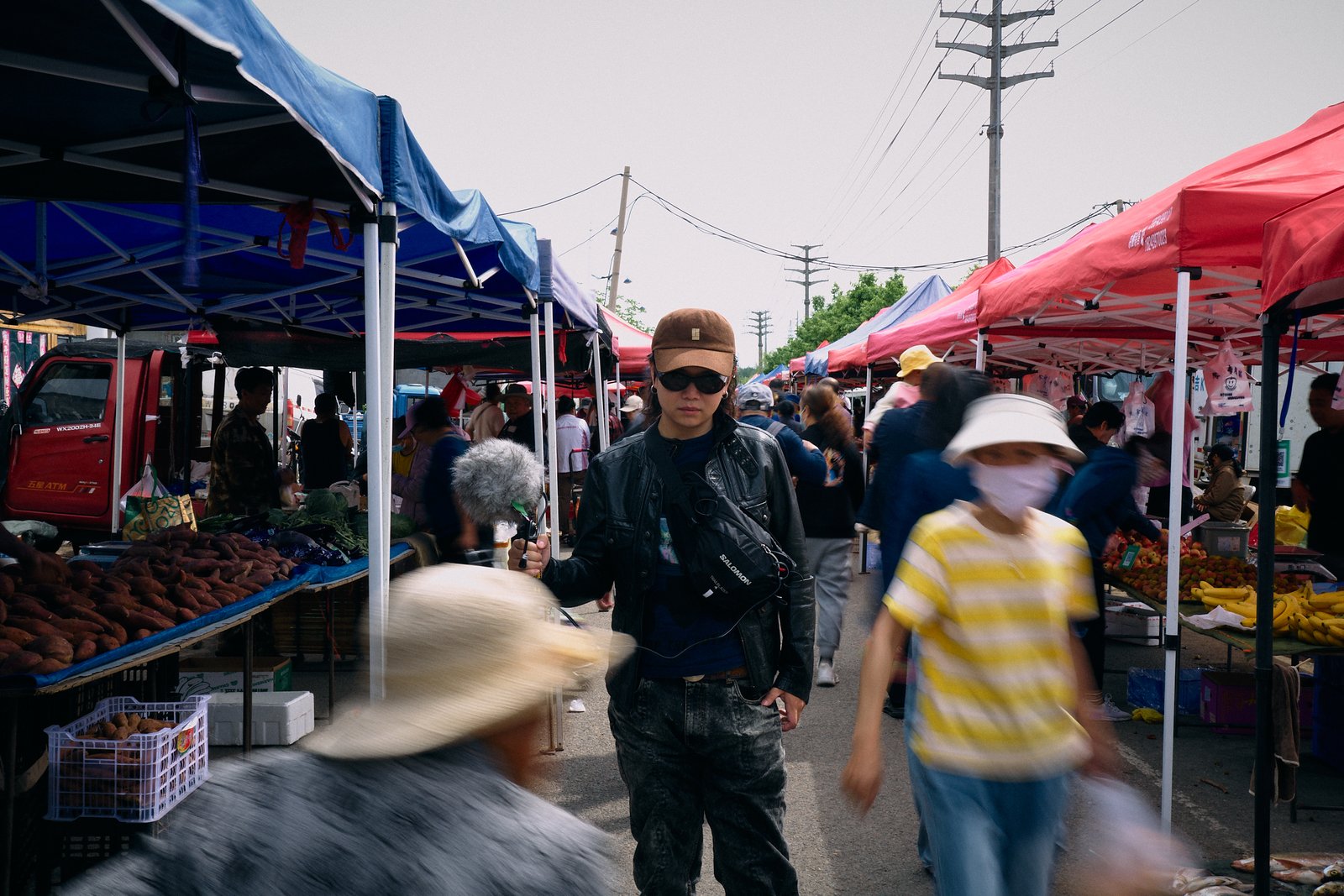
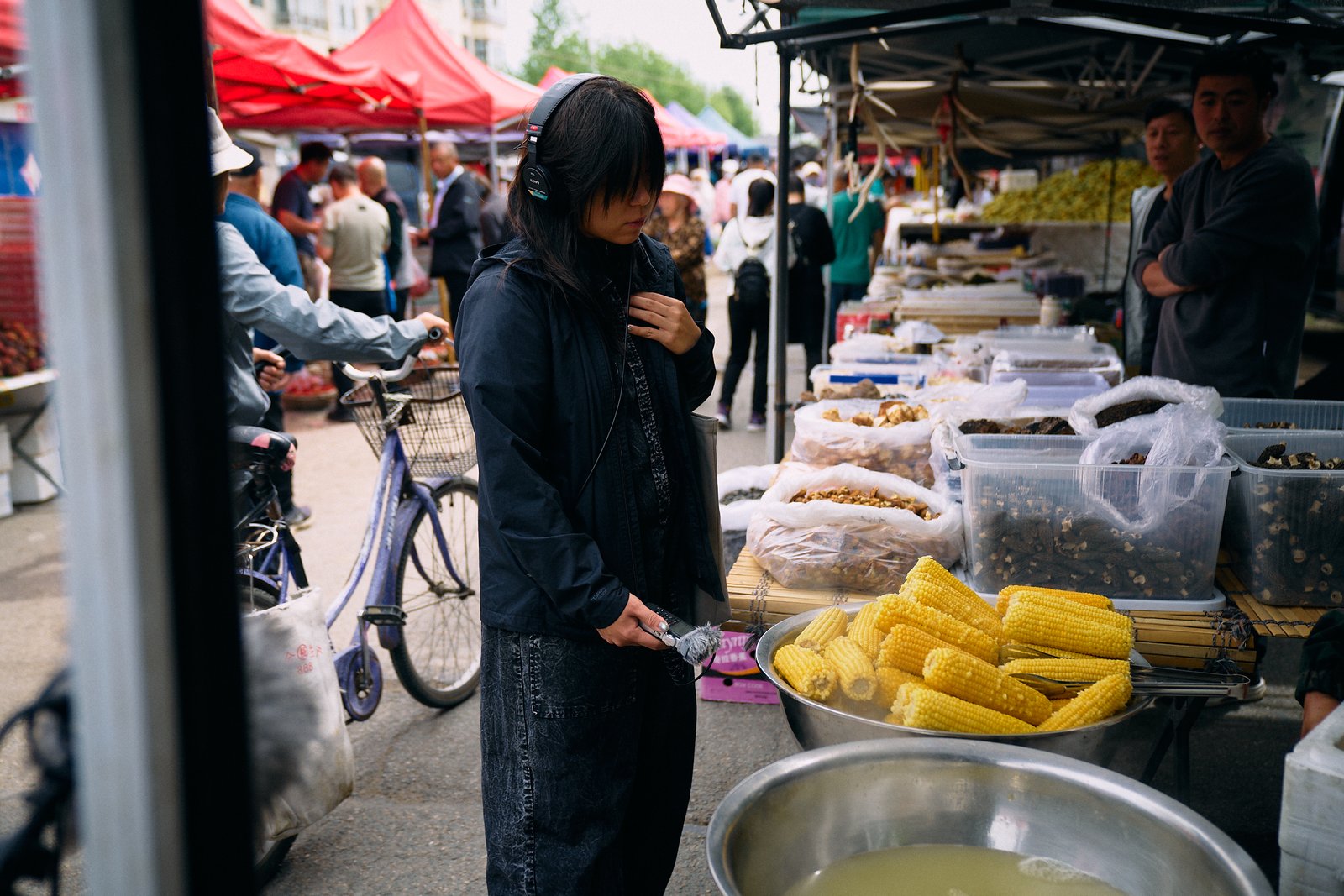
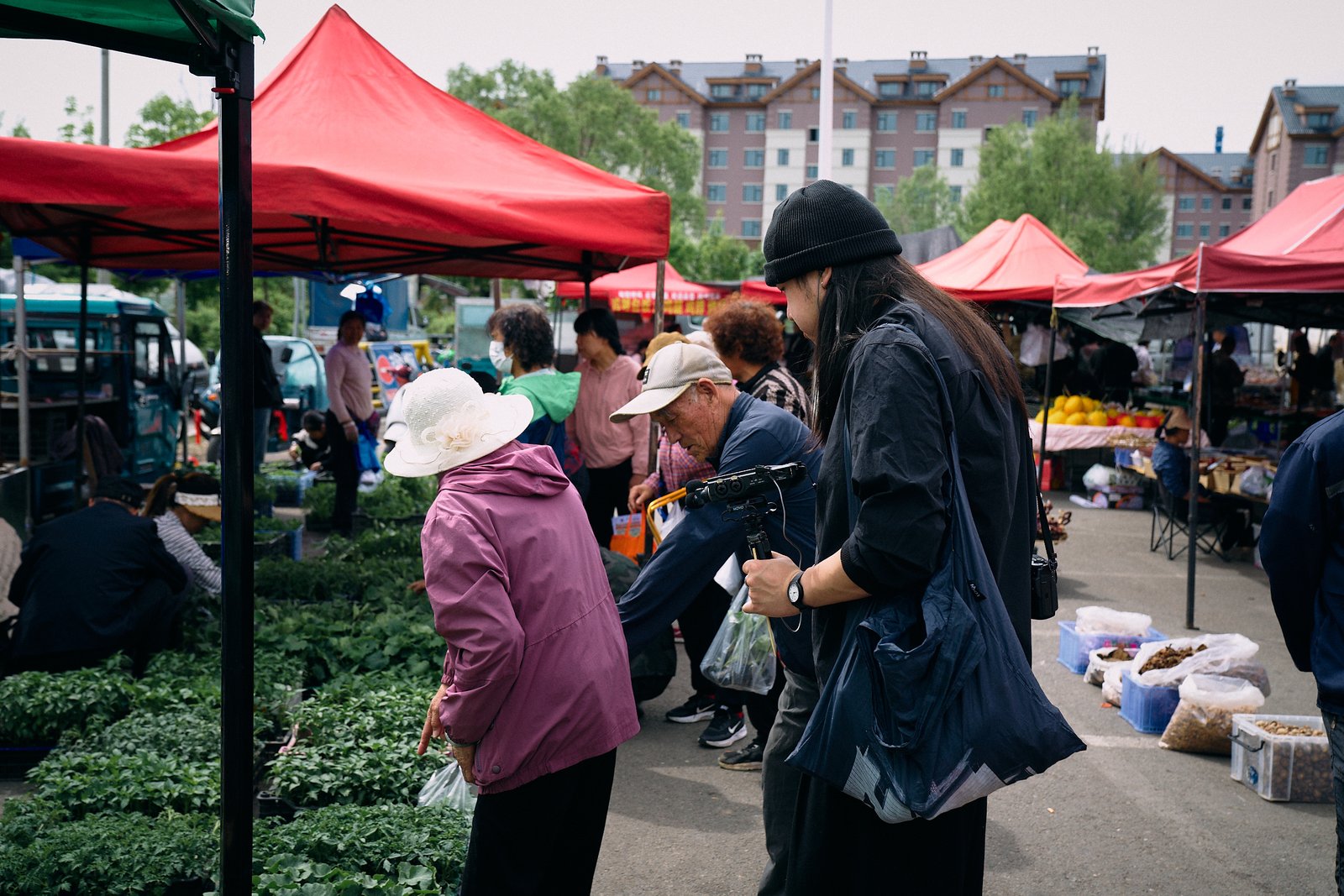
The Weimin Open-Air Market Fair in Erdaobaihe Town is widely known as one of the “Changbai Mountain open-air market fairs.” It opens on dates ending in 5 and 0, primarily during the morning. Stalls selling mountain products, food, household goods, and everyday necessities densely occupy an L-shaped outdoor street approximately two kilometers long. Crowds move shoulder to shoulder, producing a richly layered acoustic milieu.
Leandro Pisano’s on-site workshop, “The Market as a Listening Field,” did not approach the market as a soundscape waiting to be documented. Instead, it treated the market as a relational environment shaped by movement, exchange, materiality, rhythm, and interference.
The workshop did not seek to produce technically perfect recordings. Its purpose was to explore how modes of listening shift within a dense everyday environment. Participants were asked to walk and listen for twenty minutes after entering the market before beginning to record. They later shared their recordings and joined a collective discussion: What are we listening to when we are not recording? How does recording transform listening?
The workshop focused on what listening is and the conditions that make listening possible, rather than aiming to establish a sound archive or produce an artwork.
Performance
日月轮转至无限绵延的此刻,99动与愿,致你,我亲爱的
Sun and Moon Rotate to This Infinite Present Moment, The 99 Verbs and Wishes, For You, My Dear
NiNi Dongnier
NAAA, Erdaobaihe
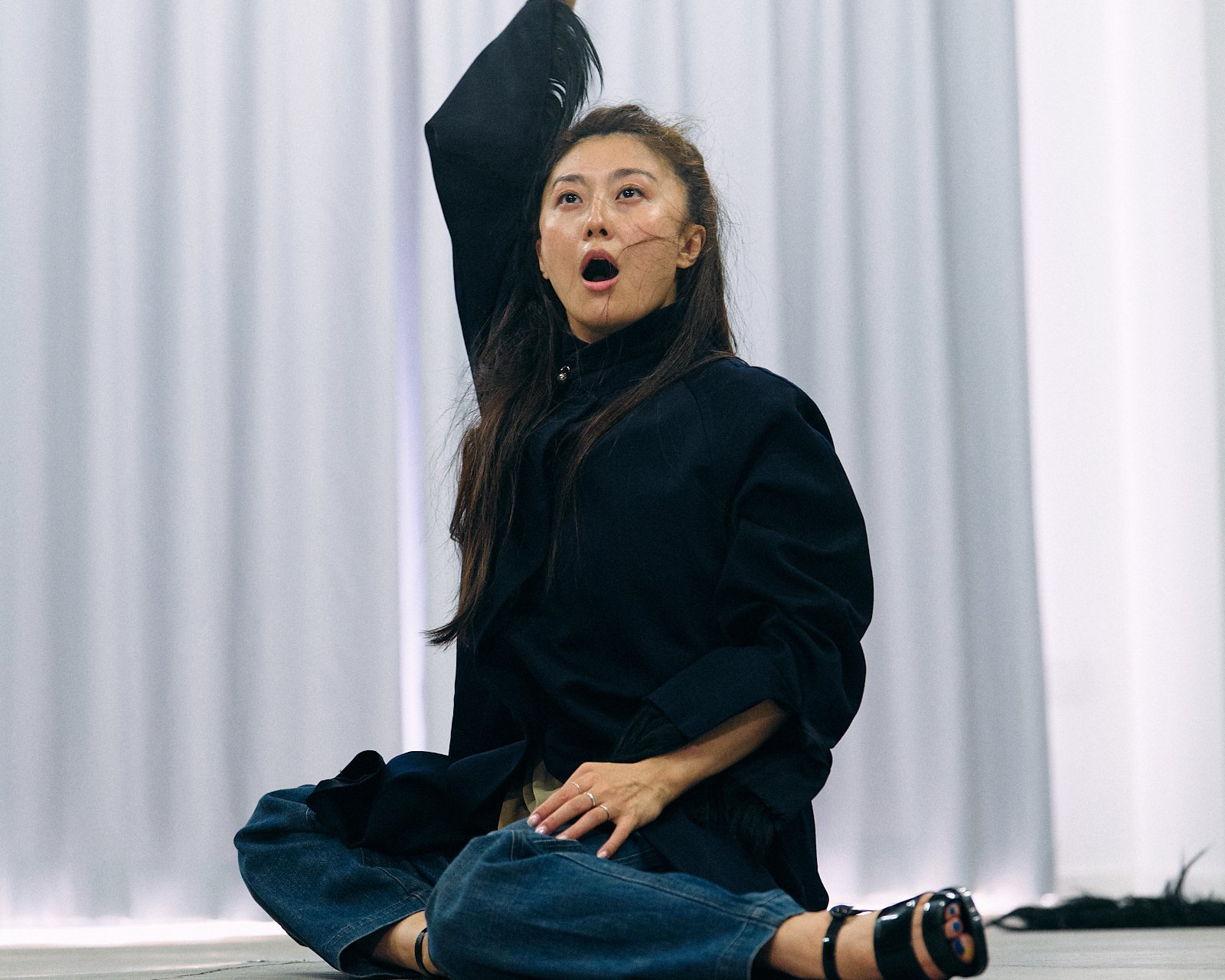
This performance is an ongoing interdisciplinary project begun in 2022. It scaffolds sculptural gestures, perceptual scores, and a transcendental ritual that migrate between the animalistic and the minimal, recording lived experience and sentimental history through bodily media, while exploring time, attention, energy abstraction, and the systems among body, territory, and immaterial matters.
The version performed at NAAA lasted forty-five minutes.
Presentation and Discussion
从图谱到身体,从人类到真菌
From Diagram to Body, From Human to Fungi
Speakers: NiNi Dongnier and Feifei Zhou
NAAA, Erdaobaihe
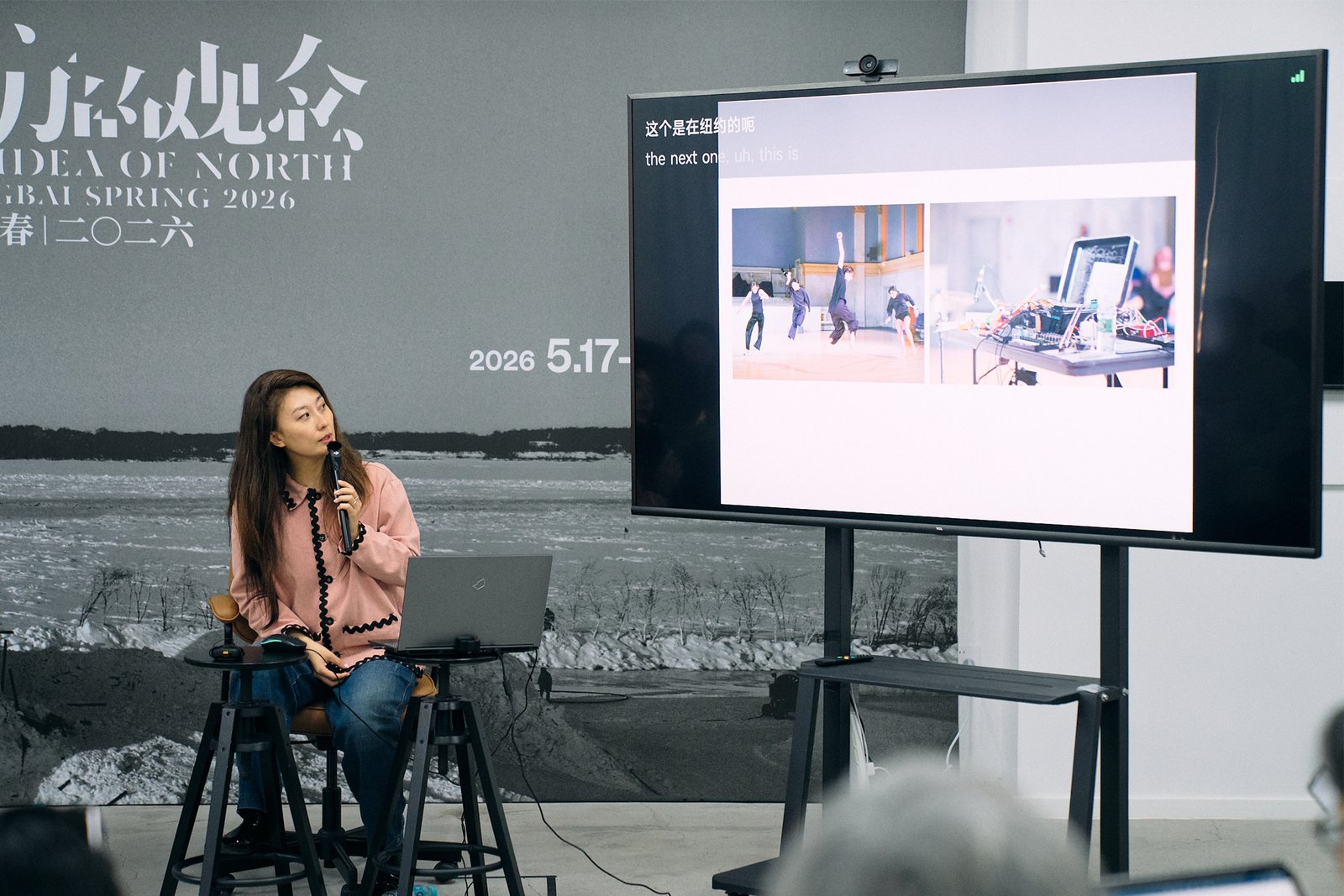
Following the live performance, NiNi Dongnier used a Diagram to describe the relationship between the micro existential conditions into which she was born—her birthplace, parents, and early environment—and her later education, artistic practice, and self-developed dance theories.
Hohhot, Beijing, and New York formed a map of her life. Along the way, she encountered the influences of Mongolian dance, Tibetan Buddhism, ethnographic research, Judson Dance Theater, Deborah Hay, Robert Wilson, Romeo Castellucci, Slow Cinema, mathematics, coding technologies, and Noh theatre.
From these encounters, she developed concepts including “performative landscape,” “every motion is a ritual,” and “movement sculpture and perceptual score,” incorporating them into a series of experimental movement practices. Through documentary videos of her completed works, we were able to experience her choreographic practice and the ideas behind it more directly.
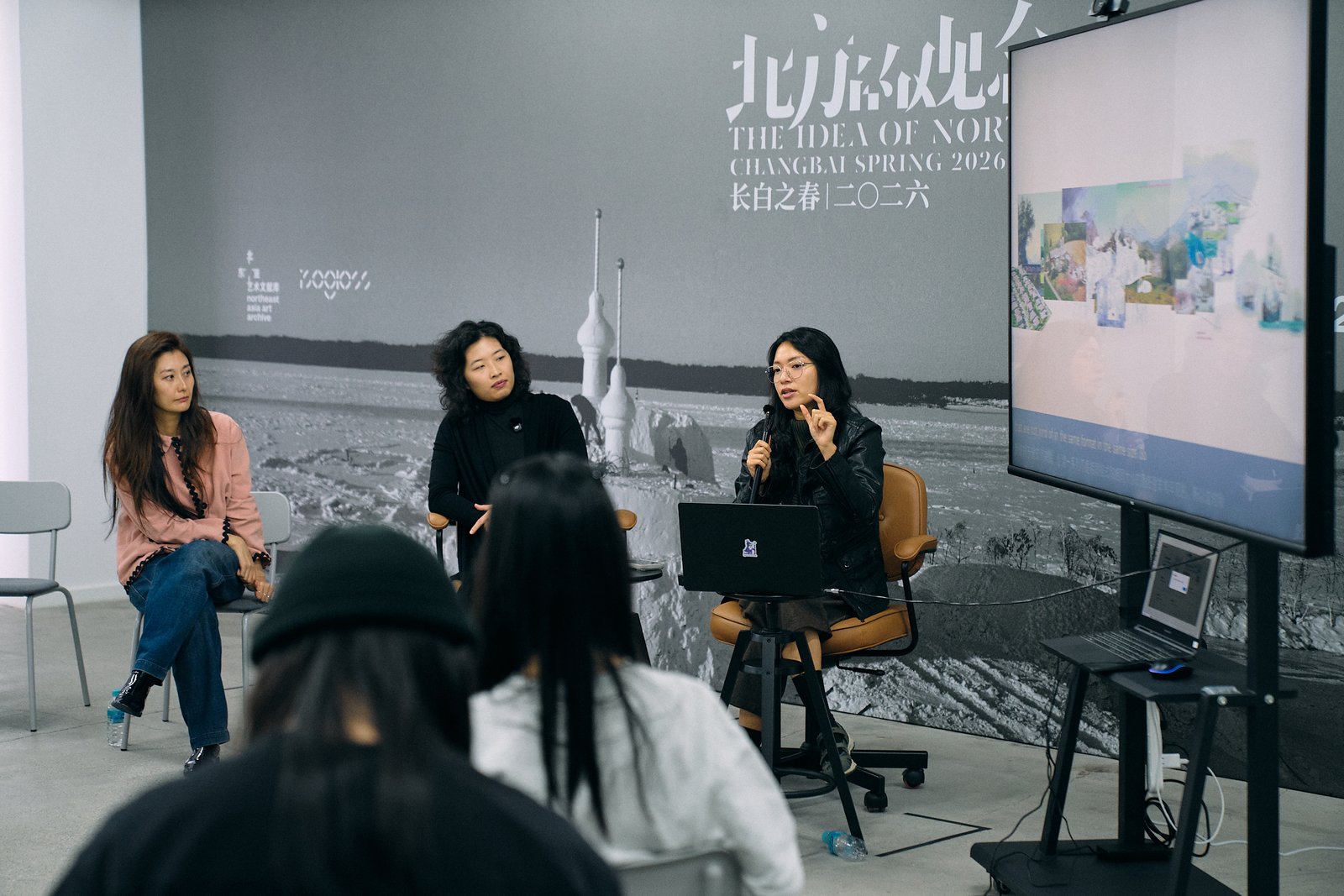
Feifei Zhou’s presentation covered three research projects and one exhibition. In 2021, she collaborated with anthropologists including Anna Lowenhaupt Tsing on Feral Atlas: The More-Than-Human Anthropocene, a research project examining how nonhuman actors interact with human-built infrastructure to produce “feral effects”—effects that are difficult to perceive directly yet have enormous global ecological and social consequences.
In 2024, commissioned by the Diriyah Biennale, she researched ecological changes in Singapore’s coastal mangroves. In 2025, her research into freshwater in the Johor Strait between southern Malaysia and Singapore, together with the maritime Indigenous community of the Orang Laut, was included in an exhibition at the Wellcome Collection in London.
Her latest project is FUNGI: Anarchist Designers, an exhibition co-curated with Anna Lowenhaupt Tsing at the Nieuwe Instituut in Rotterdam. In this exhibition, fungi are no longer treated as materials for human design, but as autonomous “designers” that do not conform to human intention and may even “threaten” or “destroy” human systems.
Through collaborations with anthropologists and natural scientists, Feifei Zhou has developed an interdisciplinary form of research-based visual design and mapping. During her participation in the Changbai Spring 2026 residency, she became particularly interested in how agriculture, industry, and human conceptions of the afterlife have shaped soil ecologies and landscape systems in Northeast China. She decided to develop this subject into a visual essay for the residency’s subsequent publication.
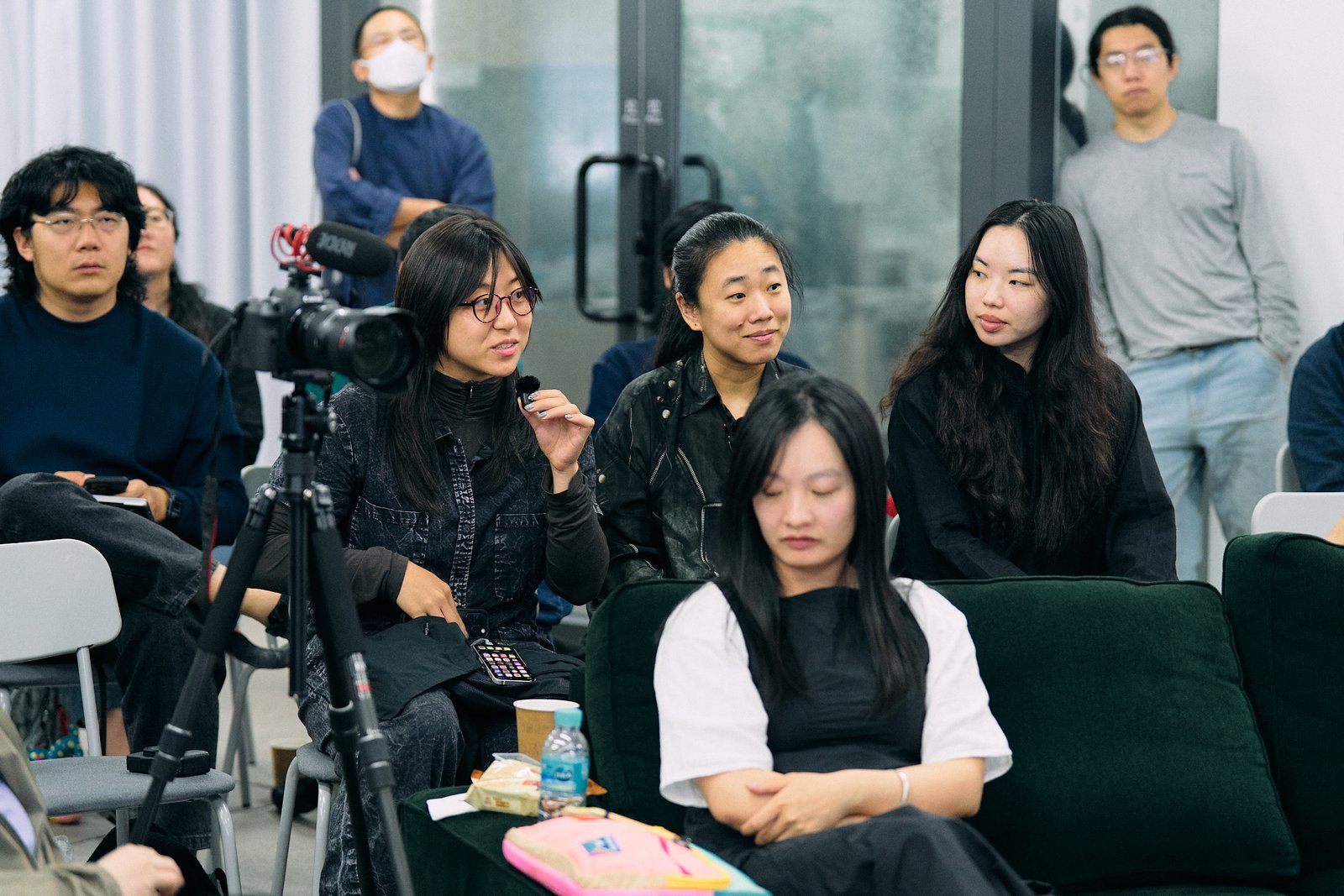
Responding to Daphne Xu’s questions about casting and collaboration, stage and reality, and animality and humanity, NiNi Dongnier explained that she is not committed to any singular dance aesthetic. She is more interested in the “flesh-and-blood body”—the human body as an “extensible medium”.
She therefore works with dancers intuitively, valuing the texture of the body, technical movement skills, and a genuine sense of gravity grounded in an understanding of one’s bones and muscles.
Regarding “animality,” she said that this form of perception has always existed in her body and is connected to her upbringing in Inner Mongolia. On the grasslands, humans are not the only ones dancing: the wind, clouds, plants, and animals all dance, and the grassland itself is a stage.
The grasslands have no fixed geographical markers. People determine direction through embodied perception and experience. Similarly, each of her gestures responds to the body’s perception of space rather than following a predetermined logic of dance.
She used this point to respond to Ariel Qinru Hou’s discussion of Tibetan Buddhist ritual practices, arguing that while Chan Buddhism emphasizes sudden enlightenment, Tibetan Buddhism emphasizes embodied practice. In the performance, she used a measuring ruler symbolically, but the actual measuring was carried out through her footsteps.
NiNi Dongnier’s “animality” and Feifei Zhou’s “more-than-human” perspective both converged upon the limitations of anthropocentrism.
Nancy Yao Ji and Molide Tuolihong asked how a nonhuman methodology could be transformed into concrete and practically meaningful research methods. Feifei Zhou responded that researchers should collaborate with people whose lives are more closely connected to the nonhuman or who hold traditions of animal veneration, including farmers, fishers, and Indigenous communities.
Presentation and Discussion
原乡与他乡
Home, or Foreign Land
Speakers: Xu Shengzhe and Li Kuizhe
NAAA, Erdaobaihe
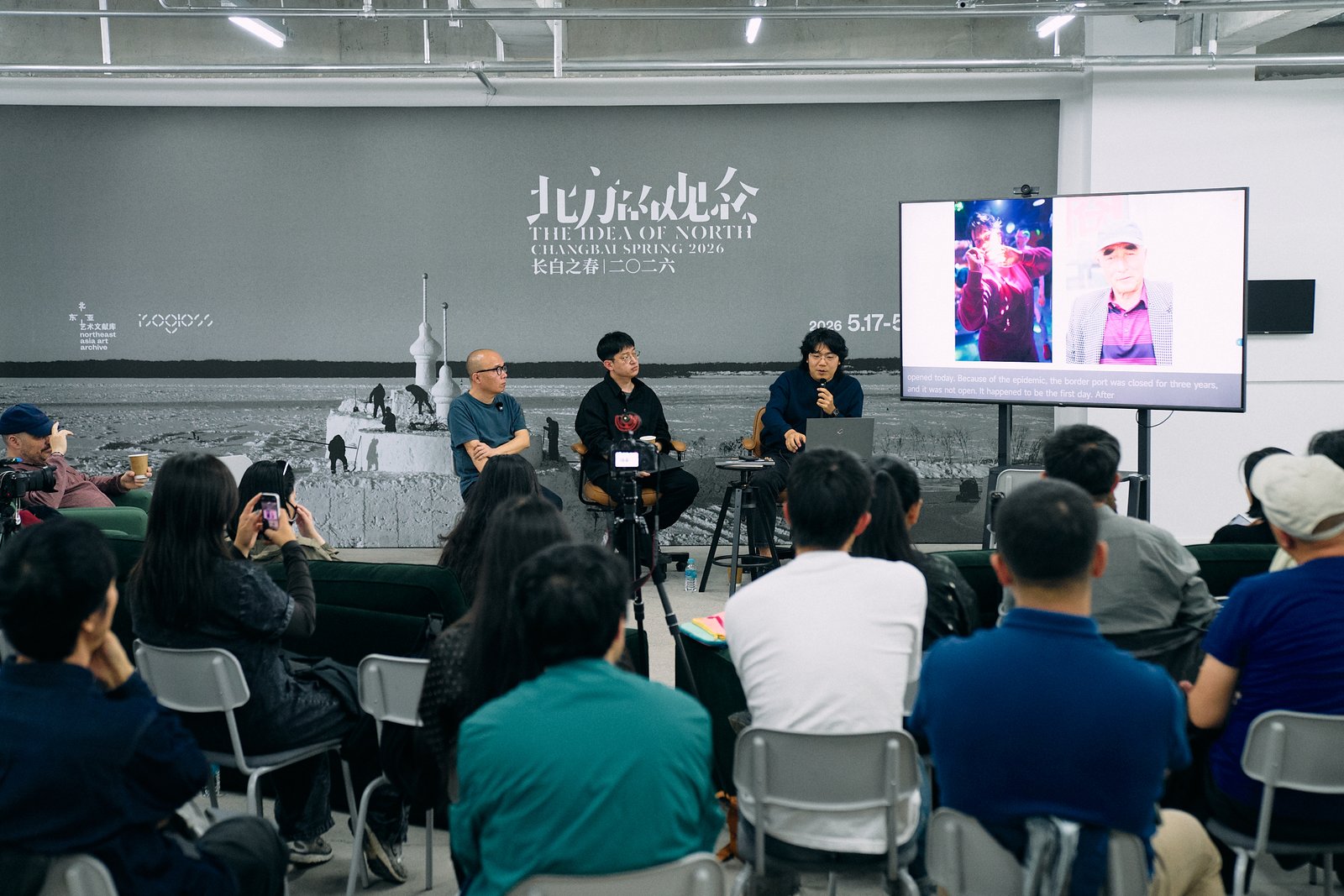
Popular contemporary “narratives of the Northeast” are often associated with economic decline and deindustrialization. Xu Shengzhe attempts to observe and understand his hometown from a different perspective.
After the pandemic, he traveled in a circuit around Northeast China, following borders and rivers and taking more than 40,000 photographs. These became two extensive photographic series, Steel Snail and The Distant Northeast Asia.
In these remote regions, he was able to experience a much longer “northeastern time” through geography, while encountering and documenting the present-day conditions and ways of life of the region’s ancient Indigenous peoples. His experience photographing the Hezhe (Nanai) People along the eastern border of Heilongjiang provided detailed clues for this year’s field trip to Tongjiang.
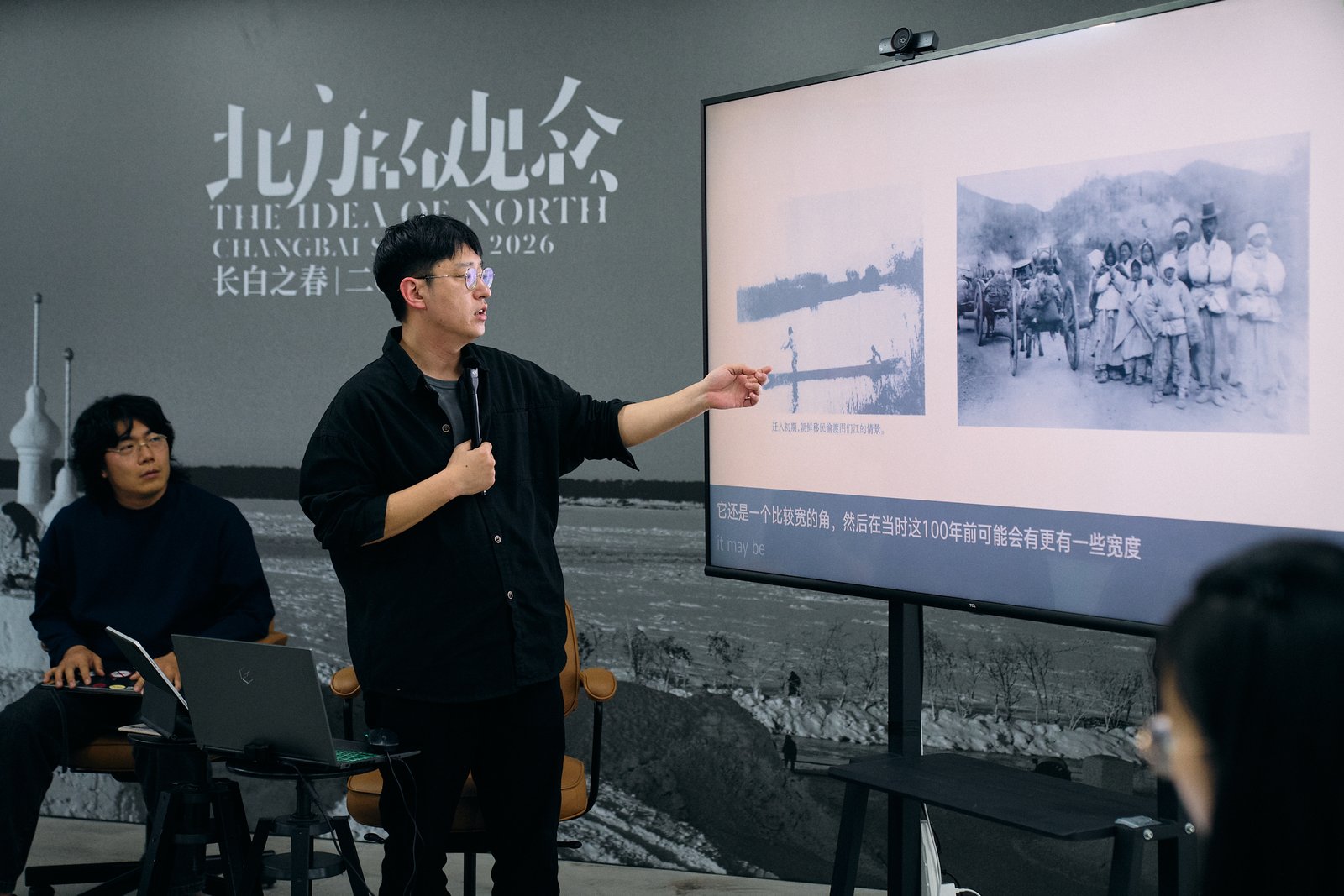
From a historical perspective, if Northeast China is the “home” of the Hezhe People, the Joseonjok who migrated from the Korean Peninsula and eventually established themselves in the region underwent a process in which “a foreign land, over time, became home.”
Using his personal experience and family history as a case study, Li Kuizhe shared his research and observations on the origins, development, and current situation of the Joseonjok in Yanbian.
Beginning with the first generation of Korean migrants in 1860 and taking the end of the Second World War in 1945 and the establishment of diplomatic relations between China and South Korea in 1992 as two major historical turning points, he described the entanglement of diaspora, return, permanent settlement, and national politics, together with the resulting transformations in population, culture, and landscape.
Compared with historical photographs from more than a century ago, the Tumen River appears to have narrowed. As a Joseonjok artist who grew up in a border region, Li Kuizhe does not experience rivers and bridges primarily as forms of “connection” and “passage,” but as “boundaries” and “obstructions.”
For him, which side is the “home”, and which is the “foreign land”? The complex emotions generated by this uncertainty have become a recurring subject in his paintings.
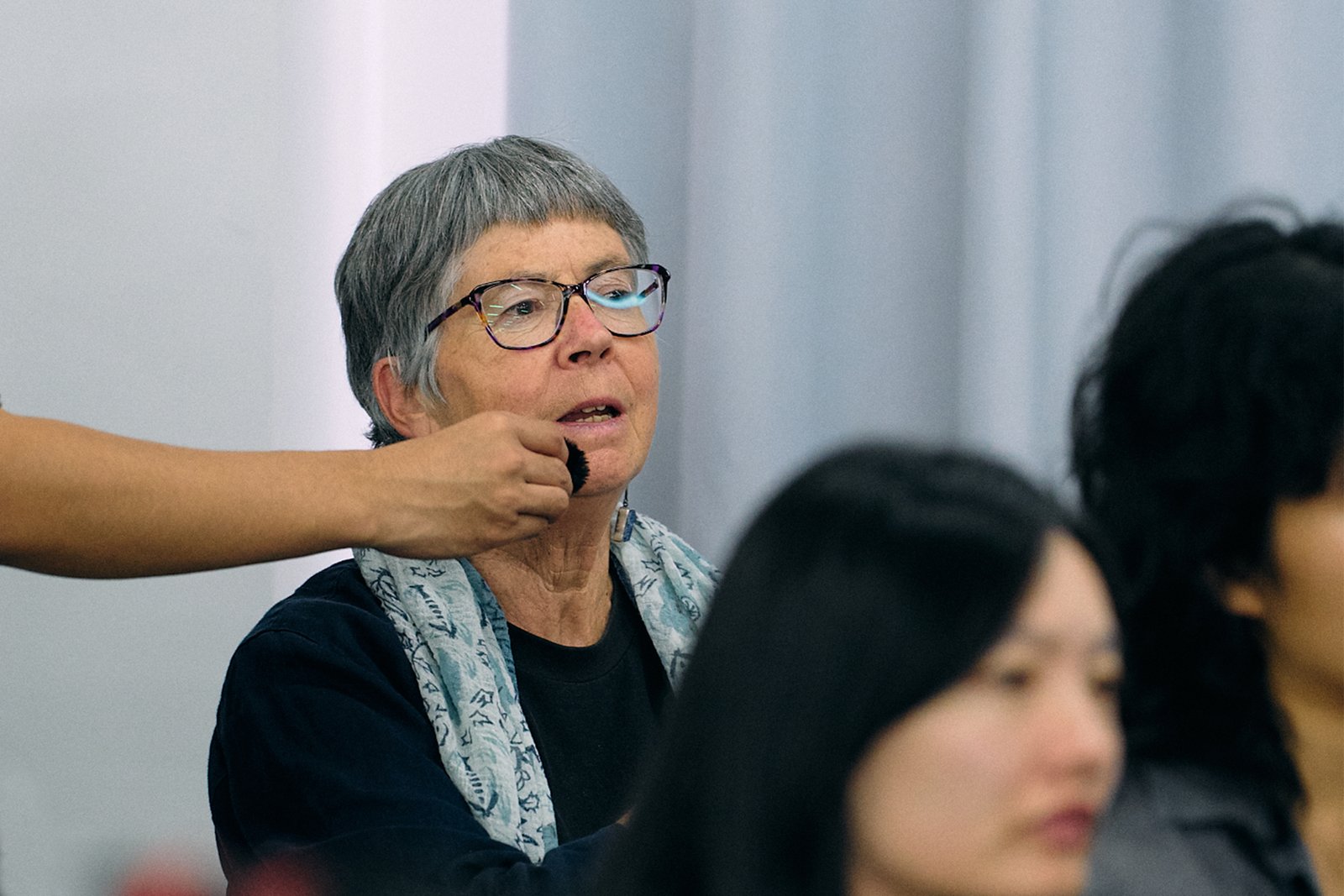
Ou Ning explained that “Home, or Foreign Land” was a theme distilled from the outlines submitted in advance by the two speakers. These are concepts that continually shift over time, just as the categories of “native,” “local,” and “outsider” may transform dialectically.
When a first generation of migrants arrives, a place may still be foreign land. By the second or third generation, their children and descendants become locals. After a longer period, they may be perceived as Indigenous by those who migrate there later.
Participants were moved by Li Kuizhe’s deeply personal presentation, which conveyed an intense ethnic identification and a form of nostalgia divided by time.
In response to a question from Tessa Morris-Suzuki, he described how kinship relations across the Tumen River were shaped and transformed by historical circumstances. During the difficult years of the 1960s and 1970s, relatives in North Korea primarily supported families on the Chinese side. After the 1980s, the direction of assistance was reversed.
Responses to Xu Shengzhe’s presentation focused primarily on the compressed and selective “vertical-image aesthetic” of his photographs, the ethics of covert photography raised by his snapshot style, and the different information conveyed when subjects either look toward or avoid the camera.
Both Xu Shengzhe and Zhao Zhi photograph Northeast China, but they employ two entirely different approaches.
Presentation and Discussion
未归档的历史与解殖叙事
Unarchived History and Decolonial Narrative
Speakers: Dong Bingfeng and Yining He
NAAA, Erdaobaihe
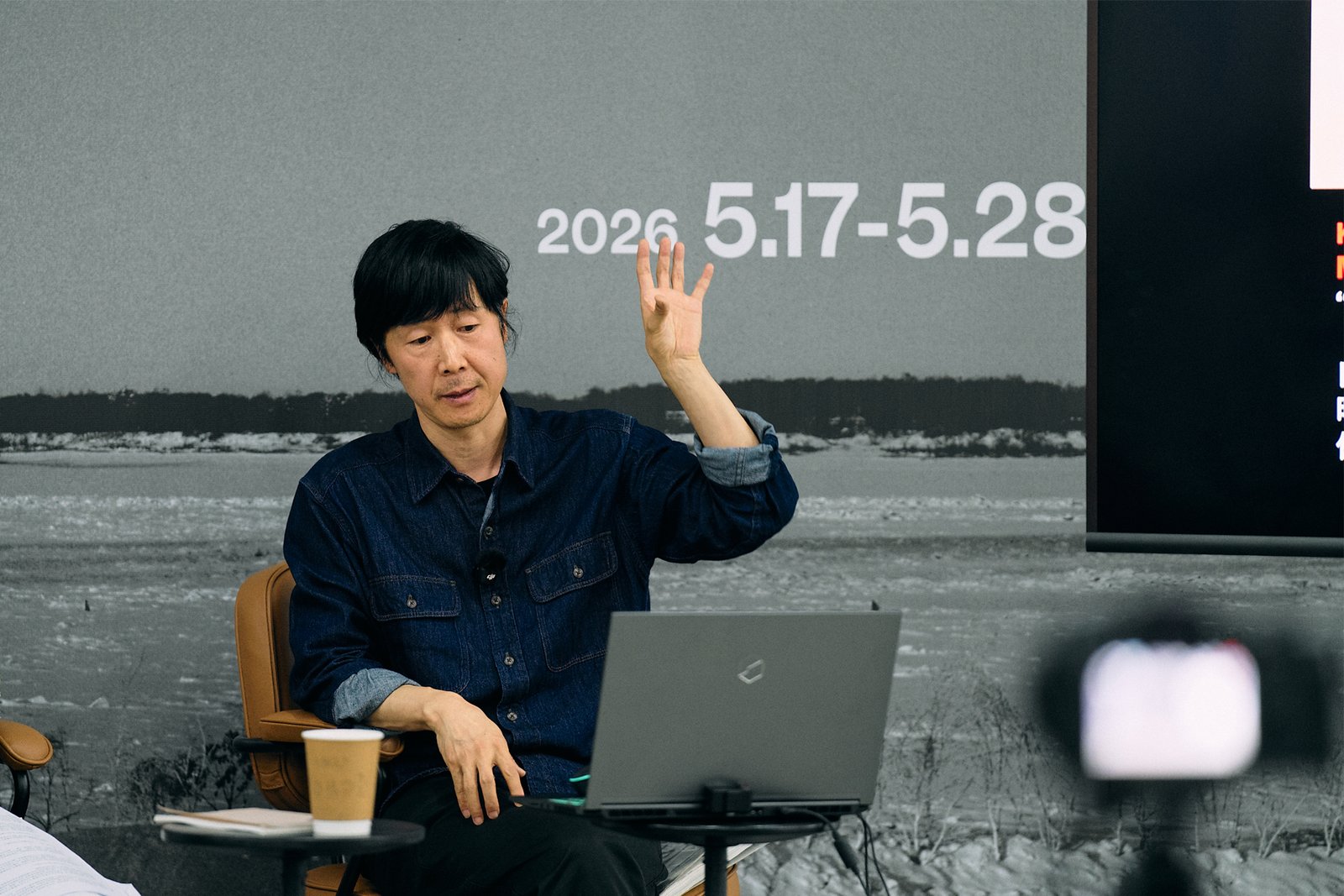
Dong Bingfeng’s research project “Unarchived History” encompasses the collection and examination of historical documents relating to the Fengtian Academy of Fine Arts from 1924 to 1945, the Hsinking Academy of Fine Arts from 1940 to 1945, and the Manchukuo Fine Arts Exhibitions from 1938 to 1945.
For this presentation, he took the Hsinking Academy of Fine Arts in Tokyo as his point of departure, focusing on the pedagogical relationship between its Japanese director, Kawabata Ryushi, and the Chinese student Wang Shenglie, as well as the overlooked influence of this Manchukuo-era art education institution on the modern history of art in Northeast China.
The Hsinking Academy of Fine Arts was a product of the Japanese system of cultural colonialism. It was initiated by the Hsinking Special Municipality in 1940, with the celebrated Japanese painter Kawabata Ryūshi appointed as director.
The following year, the academy first established a Tokyo branch to enroll overseas students. Wang Shenglie, who later became a professor at the Lu Xun Academy of Fine Arts, was among its first admitted students.
After the Hsinking Academy of Fine Arts in Tokyo had operated for four years, Kawabata arrived in Hsinking to assume his position. However, Japan was defeated and Manchukuo collapsed in 1945, and the main academy was terminated before teaching activities could formally begin.
From 1941 to 1945, the Hsinking Academy of Fine Arts in Tokyo admitted four cohorts of students from Manchukuo, including both Chinese students and Japanese residents of Northeast China.
Some of its graduates later became key faculty members across different disciplines at art academies in the People’s Republic of China, making significant contributions to the development of Chinese art and to postwar Sino-Japanese friendship.
By comparing Kawabata’s large-scale war paintings known as the Tairiku-saku series from 1937 to 1940 with Wang Shenglie’s celebrated Eight Women Throwing Themselves into the River (《八女投江》) from 1957, Dong Bingfeng revealed the profound influence of Wang’s early study in Tokyo.
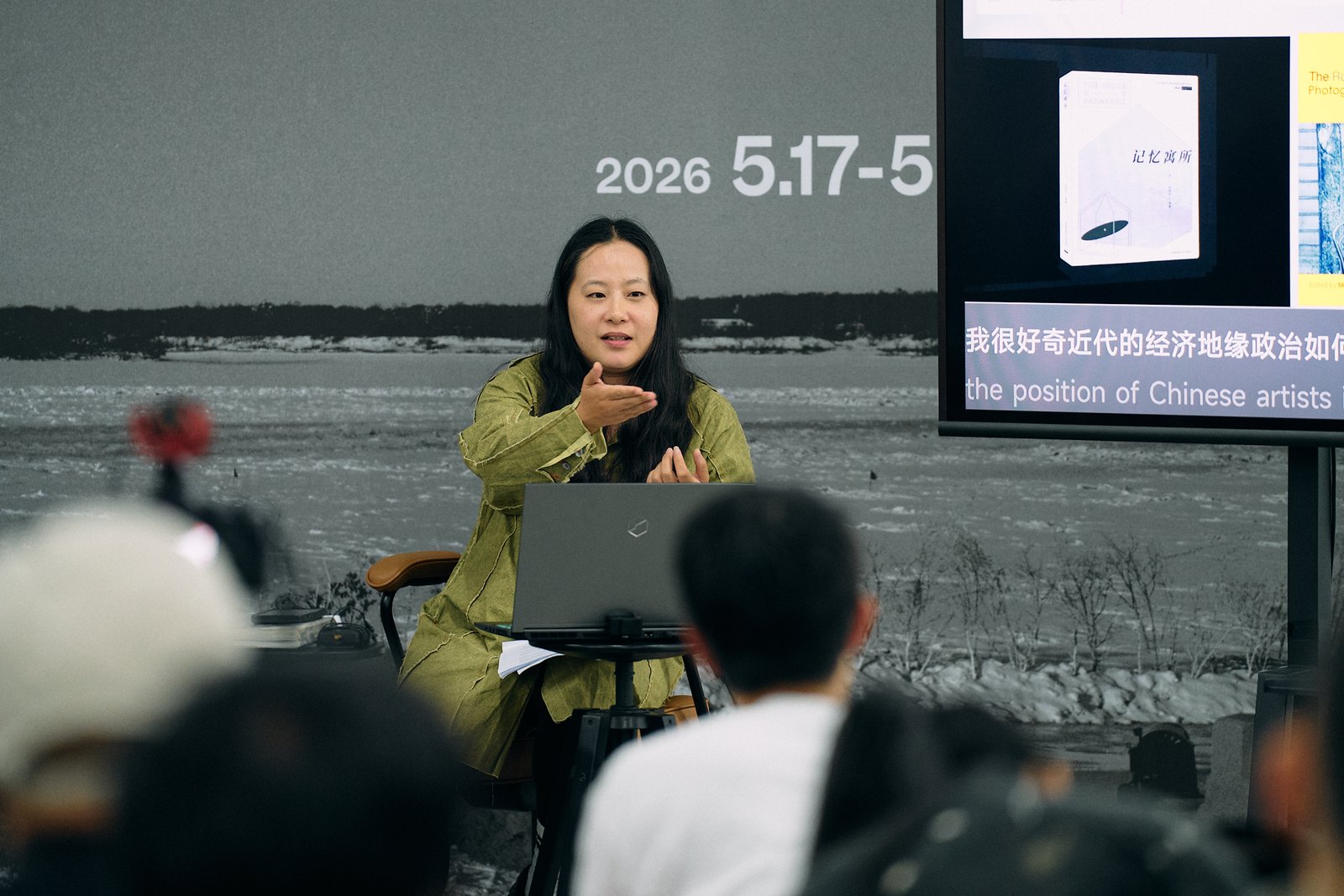
Yining He’s curatorial practice has long been closely intertwined with the geopolitics, urban transformation, and historical reverberations of Northeast China. Drawing on her doctoral research at the Centre for Chinese Visual Arts at Birmingham City University, she has attempted to reconsider her personal experience and research cases through the framework of a “decolonial methodology.”
As a geopolitical vortex in the modern history of East Asia, the historical specter of “Manchuria” has been repeatedly summoned within contemporary art.
“How might artistic practices in Northeast China—a global case study in energy depletion and transition—enable us to imagine pluralistic, decolonial, and sustainable futures amid historical ruins and entanglements?”
Situated at the intersection of colonial discourse, postcolonial theory, and decolonial studies, Yining He’s presentation examined how artists including Hu Wei, Ma Haijiao, Yang Yuanyuan, Mia Yu, Li Yong, Zhang Wenzhi, and Lee Kai Chung move beyond colonial frameworks to respond to Northeast China’s complex colonial history, experiences of displacement, and the social pain generated by energy transition.
Through local knowledge and forms of situated intelligence, these artists construct “speculative futures”: “The ruins of Fushun, the squares of Dalian, the forests of Vladivostok, and the snowfields of Changbai Mountain are not isolated endpoints, but new points of departure through which energy may be transformed and meaning generated.”
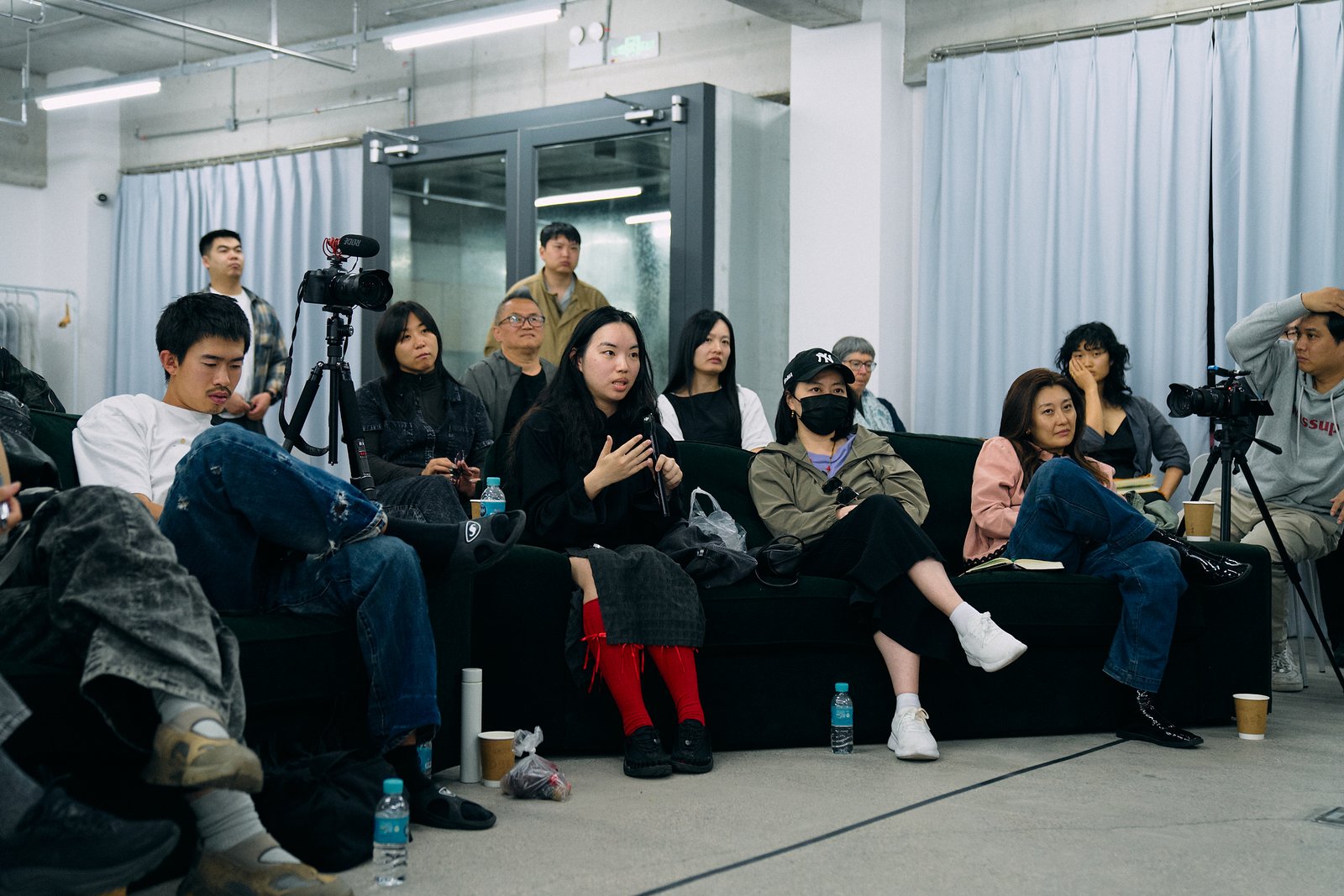
Following Yining He’s presentation, participants expressed varying degrees of uncertainty regarding the applicability of decolonial theory to Chinese contexts.
Huirong Ye argued that this reflects a broader difficulty confronting decolonial theory in China: it appears unable to respond adequately to China’s historical specificity.
Yining He maintained that although China was never fully colonized in modern history, this does not mean that it did not experience what Walter Mignolo calls “coloniality.” Her research seeks to use decolonial theory to produce an analysis of Northeast China distinct from those developed in relation to India or Africa.
In her work, “Decolonization” therefore functions as an epistemological concept rather than as the strict requirement outlined by Eve Tuck and K. Wayne Yang in Decolonization Is Not a Metaphor. Their article on settler colonialism in the United States argues that without the return of land to Indigenous peoples, “decolonization” remains merely metaphorical.
Huirong Ye also asked to what extent the “decolonial narrative of Northeast China” constructed through drone footage, attention to infrastructural heritage and colonial architecture, extensive archival imagery, and voice-over monologues constitutes a critical practice. Might it also risk further abstracting coloniality?
She was likewise concerned with the contradiction between the “colonial modernity” introduced into Northeast China through the Hsinking Academy of Fine Arts in Tokyo and the accompanying sense of national humiliation. This was not only a question confronting Wang Shenglie’s generation of Chinese artists, but remains a challenge for artists working in the postcolonial era.
Screening
战争结束了!
War is Over!
2026, Color, 43’39”
Anton Vidokle
NAAA, Erdaobaihe
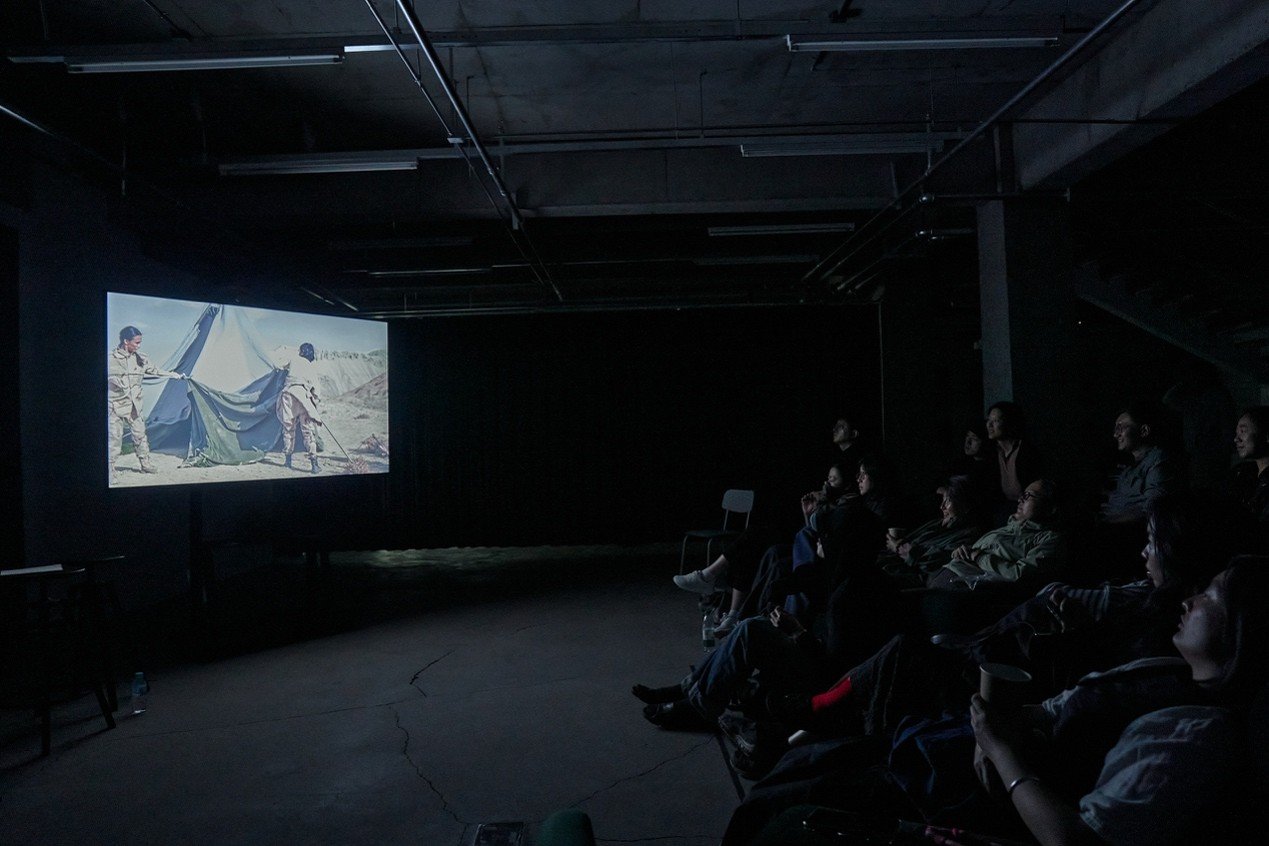
Anton Vidokle conceived this latest work in 2019, when he was invited to propose a new artwork for the Korean Demilitarized Zone.
He visited a remote island near Pyongyang whose residents consisted primarily of young South Korean soldiers and a small number of elderly fishers. The island had unusual atmospheric conditions: it was constantly covered in an extremely fine fog, so that everything appeared slightly out of focus.
He began to imagine a post-military future in which wars and geopolitical conflicts had ended, but the army remained. Its purpose had changed. Instead of violence, it confronted ecological catastrophe, drought, earthquakes, hurricanes, and perhaps even death itself.
This idea was strongly influenced by the writings of the nineteenth-century Russian philosopher Nikolai Fedorov, whose thought later became closely associated with Cosmism. Fedorov proposed that overcoming death and resurrecting the ancestors should become the common task of humanity.
In the film, this idea is embodied through the unexpected return of a young soldier from another time and space.
The figure of the soldier has a connection to Anton’s maternal grandfather, Simeon Sorkin, a Soviet Air Force pilot who died in the 1939 Battles of Khalkhin Gol on the border between Mongolia and Manchukuo, involving Soviet, Mongolian, Japanese, and Manchukuo forces.
Although the original project could not be realized in Korea, the film was eventually shot in 2024 at an ancient geological site in Kazakhstan with support from the Almaty Museum of Arts and Kunstmuseum Bern. Editing was completed in 2026.
The screening at NAAA was the work’s first small-scale public presentation. Discussion of the film was scheduled for the following day, after Anton’s presentation.
May 21, 2026
Presentation and Discussion
降神会,阿伊努人与北方冰路
Séance, Ainu People and the Iceways
Speakers: Anton Vidokle (via Zoom) and Tessa Morris-Suzuki
NAAA, Erdaobaihe
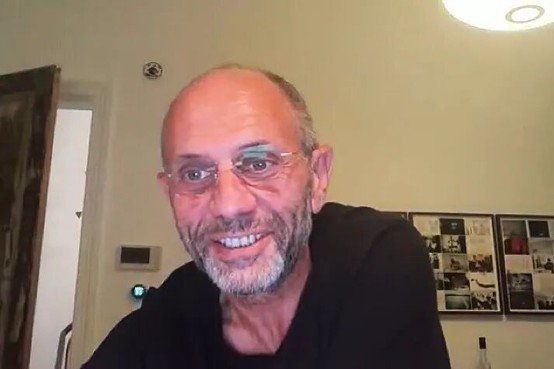
In addition to authorizing the screening of his latest film, Anton Vidokle presented Séance: Technology of the Spirit, the 2025 Seoul Mediacity Biennale that he co-curated with Hallie Ayres and Lukas Brasiskis.
Spiritualism flourished in nineteenth-century Europe and the United States. Its emergence was closely connected to the development of telegraphy, wireless communication, and early sound-recording technologies on both sides of the Atlantic. The transmission of disembodied language and reproduction of the voices of the dead encouraged belief in the existence of a spiritual realm.
The biennale examined the recurring presence of spiritual practices in modern and contemporary art. Rather than treating spirituality as an eccentricity or marginal anecdote, or confining it within the disciplinary categories of psychology, media, or aesthetics, the exhibition approached it as a “technology”—a method for accessing or producing forms of experience.
Spiritualism is not anti-technological. Its most important practice, the séance, is itself a form of mediumistic technology. By receiving, dictating, and channeling forces beyond the body, it produces a transcendent subject comparable to the “distributed subjectivity” emerging in the contemporary age of artificial intelligence.
In many works included in the biennale, subjectivity was redistributed among bodies, environments, machines, ancestors, images, and communities, challenging established assumptions regarding authorship, singular subjectivity, and the ownership of artworks in contemporary artistic production.
In addition to spiritualism, Anton incorporated Rudolf Steiner’s Anthroposophy and spiritual practices, Nikolai Fedorov’s Cosmism, and ideas concerning death into the biennale’s narrative framework.
The exhibition made particular use of color, sound, and cinema and included works engaging with religious movements, esoteric sects, Indigenous healing rituals, occult societies, and contemporary artistic investigations of technology and ritual.
The Séance is also a form of shamanic practice found widely across the high-latitude regions of the earth. This was the primary reason we invited Anton to speak on the subject.
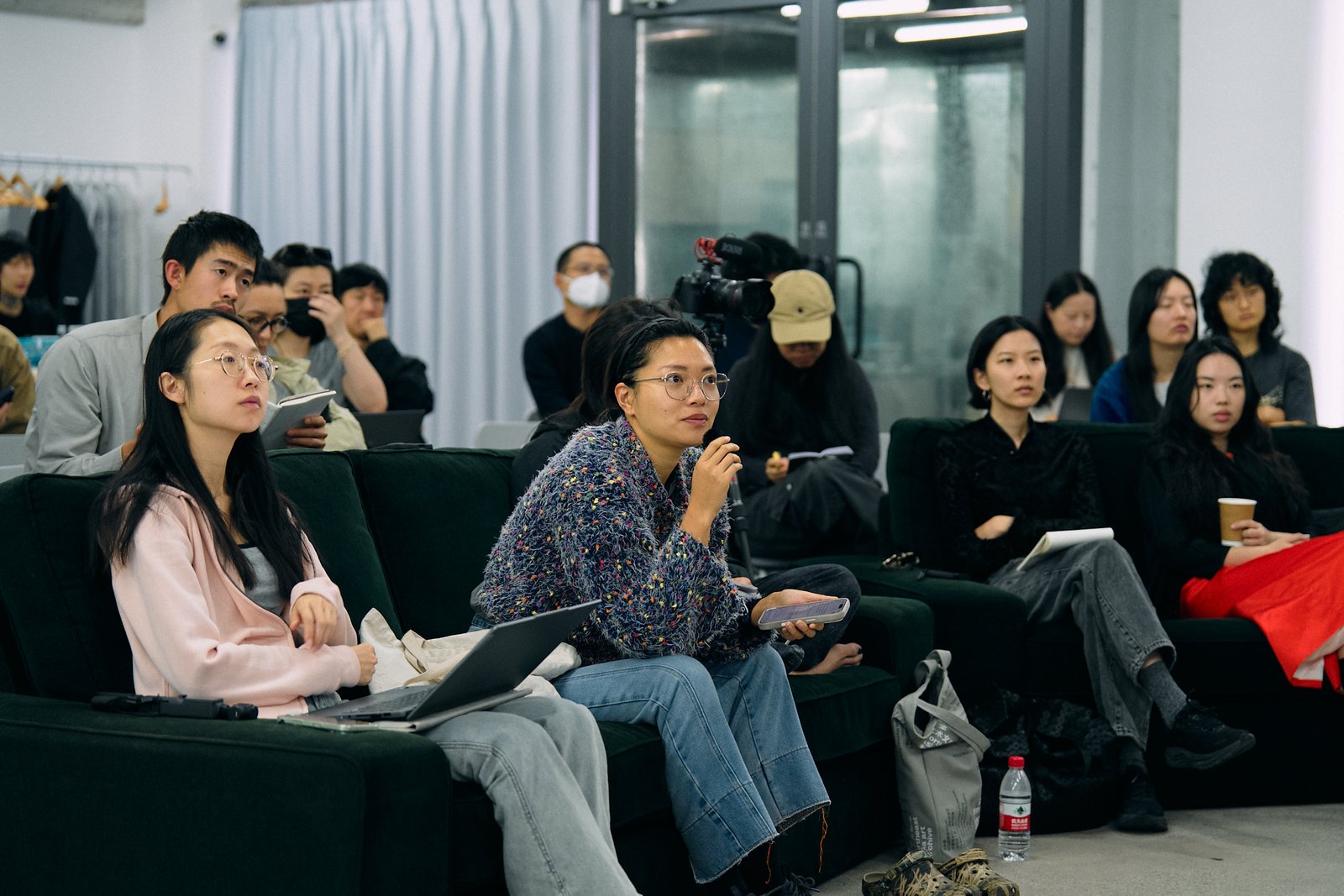
Responding to Feifei Zhou’s question about how to resist “extractive technology,” Anton cited examples of language models developed through Indigenous knowledge. He argued that the instrumentalist technological trajectory grounded in Western science is not the only available path.
In many respects, the present moment bears a striking resemblance to the state of the world a century ago. The pace of technological transformation is overwhelming. It destabilizes employment, politics, and social life, generating widespread anxiety, unease, and fear.
Similarly, the massive industrialization of the mid-nineteenth century produced an entirely new social order that deeply affected artists and cultural communities, prompting many to embrace spiritualism and different religious ideas as forms of resistance to the emerging capitalist age.
At this comparable historical moment, the curatorial premise of Séance was to place artistic practices and strategies from the mid-nineteenth century in dialogue with what artists are doing in this field today.
When NiNi Dongnier asked whether he had a personal spiritual practice, Anton explained that he was in fact an outsider to spiritual communities. His earliest interest in spiritual art began with an assignment on “spiritual paradigms and abstraction” given to him by Benjamin Buchloh while he was studying at the School of Visual Arts in New York. His interest in spiritual practices has remained primarily intellectual and contemplative.
Participants also raised several questions about War is Over!, screened the previous day.
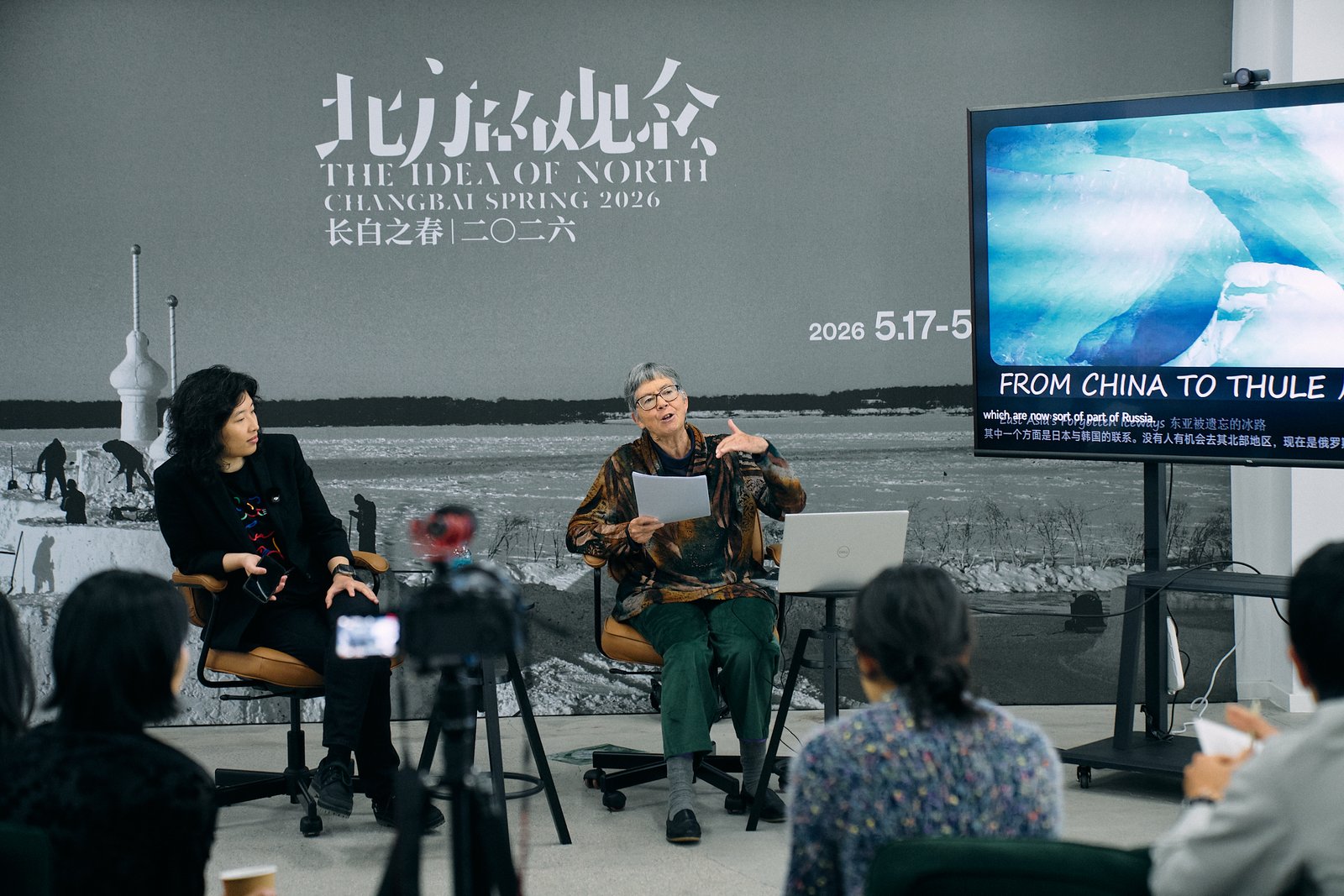
The “Thule” in the title of Tessa Morris-Suzuki’s presentation, From China to Thule: East Asia’s Forgotten Iceways, was the name given around 300 BCE by the ancient Greek explorer and geographer Pytheas of Massalia to a distant and mysterious land in the extreme north.
From that point onward, the imaginary Thule became a term used by the Greco-Roman cultural world to designate the Far North. It was later adopted by archaeologists to name an ancient Alaskan people and by the United States military for its space-related military base in Greenland, Thule Air Base.
In East Asia, the Tang-dynasty Chinese official text Tongdian recorded the extreme northern lands of the Kingdom of Liugui, in the vicinity of present-day Kamchatka, and the Kingdom of Yacha, also known as Nili, in the area of the present-day Chukchi Peninsula. Ancient Japan referred collectively to Hokkaido, Karafuto—known in Russia as Sakhalin and in China as Kuyedao—and the Kuril Islands as Ezochi. These imaginative names reflect the “Idea of North” held by the imperial courts of ancient East Asia.
Before the rise of nation-states, concepts of sovereignty, border controls, or treaties, non-state peoples and Indigenous communities of the north developed long-distance trade networks across regional Iceways, in addition to presenting tribute to imperial centers.
Tessa offered an archaeological example. In 2011, a bronze buckle dating from approximately 500 to 1,000 years ago was excavated from the Rising Whale site in Alaska, formerly inhabited by the Thule people. Its form and characteristics suggest that it originated in Northeast China and reached the North American Arctic through the Sea of Okhotsk and the Bering Strait.
This constituted a trade route moving in the opposite direction from the better-known Silk Road. Japan also recognizes a “Northern Silk Road,” or “Northeast Asian Silk Road.” Silk from the Jiangnan region of China was presented by the Ming and Qing empires as a reward to the Nanai, Ulchi, and Nivkh peoples of the lower Amur River who supplied tribute goods. Through informal trade and exchange, the silk crossed the Strait of Tartary and was carried by the Ainu People of Sakhalin and Hokkaido into the Matsumae domain of Japan, where it became known as “Ezo brocade.”
After the beginning of the Meiji era, however, the rise of nation-state ideology and international law, together with the delineation of national boundaries and establishment of customs duties, created a geographical “ice curtain” that gradually extinguished these informal activities. Although trade along the Iceways has become history, the launch last year of the China–Europe Arctic Express container route, which bypasses the Suez Canal in favor of Russia’s Northern Sea Route, together with the possibility of large-scale freight navigation through the mouth of the Tumen River, suggests that the North may once again be breaking through the “ice curtain” and entering a period of renewed activity under changing geopolitical conditions.
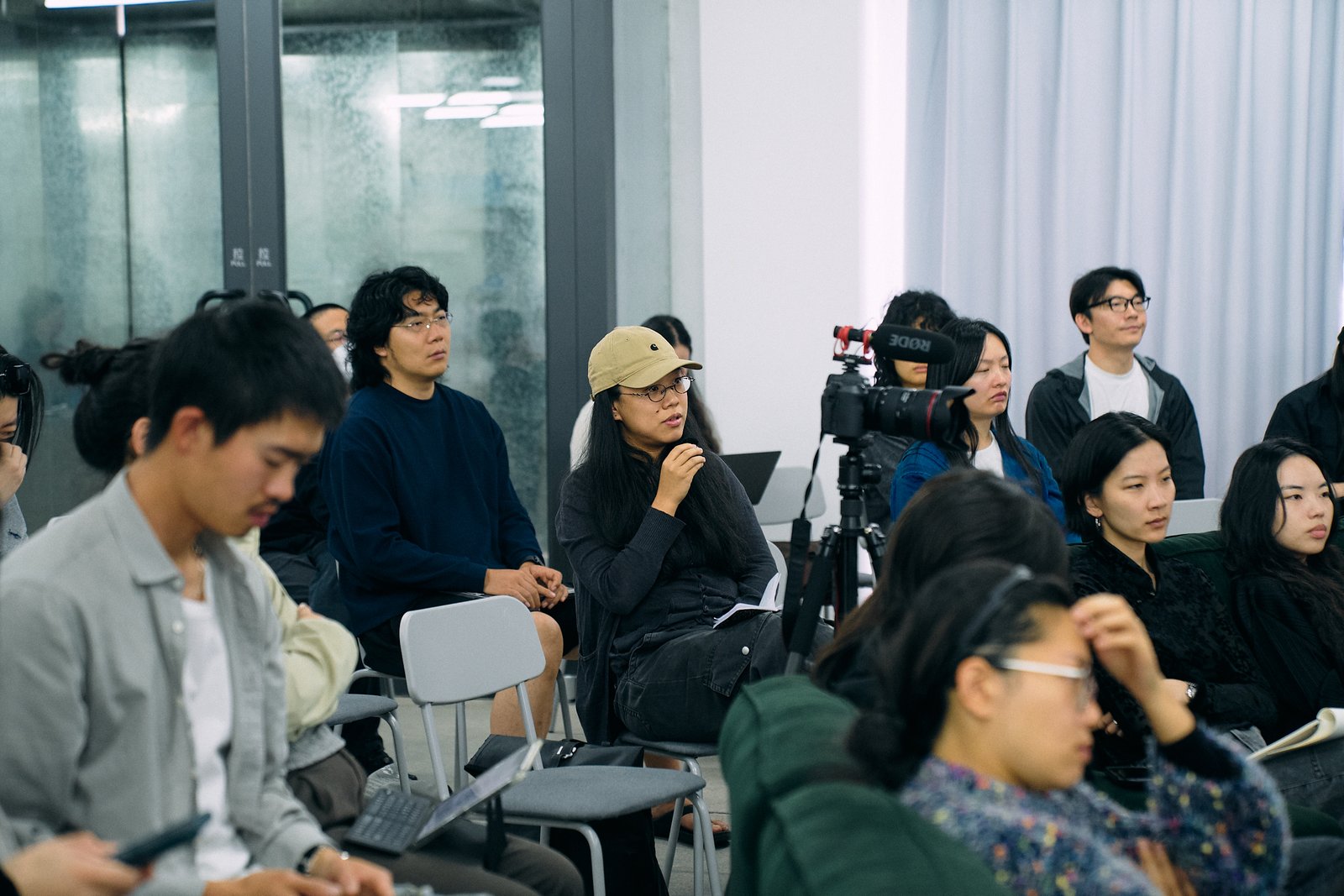
Tianyu Yang observed that Tessa’s presentation responded powerfully to the residency theme of “The Idea of North.” The Ainu perspective enables us to imagine the land as a continuous whole extending from prehistory to the present, and the proposition that it should not be divided or obstructed by borders was particularly illuminating. She asked what emotions and aspirations are held by Ainu communities living in different nation-states following the dispersal and separation produced by state power. Have they attempted to establish forms of connection and shared understanding across national borders?
Tessa described the cruelty of this divided condition. The Ainu People retain strong emotional ties to the lands inhabited by their ancestors, but whether they can visit those places, and what they are able to do when they arrive, depends entirely on global political circumstances. In the early twentieth century, Australian anthropologists collected the remains of Indigenous peoples and exchanged them with collectors of human remains in other parts of the world. Several Ainu skulls entered Australian museums, including one from Sakhalin. Approximately two years ago, a museum organized a repatriation ceremony. A Sakhalin Ainu person now living in Hokkaido came to receive the skull of another Sakhalin Ainu individual. His greatest wish was to return it to Sakhalin for reburial, but he was unable to do so. The skull remains in Hokkaido, waiting to be brought back to Sakhalin. This is another consequence of artificial division and an example of how politics forcibly severs human relationships.
Reading and Discussion
乡村未来主义宣言
Manifesto of Rural Futurism
Speaker: Leandro Pisano
NAAA, Erdaobaihe
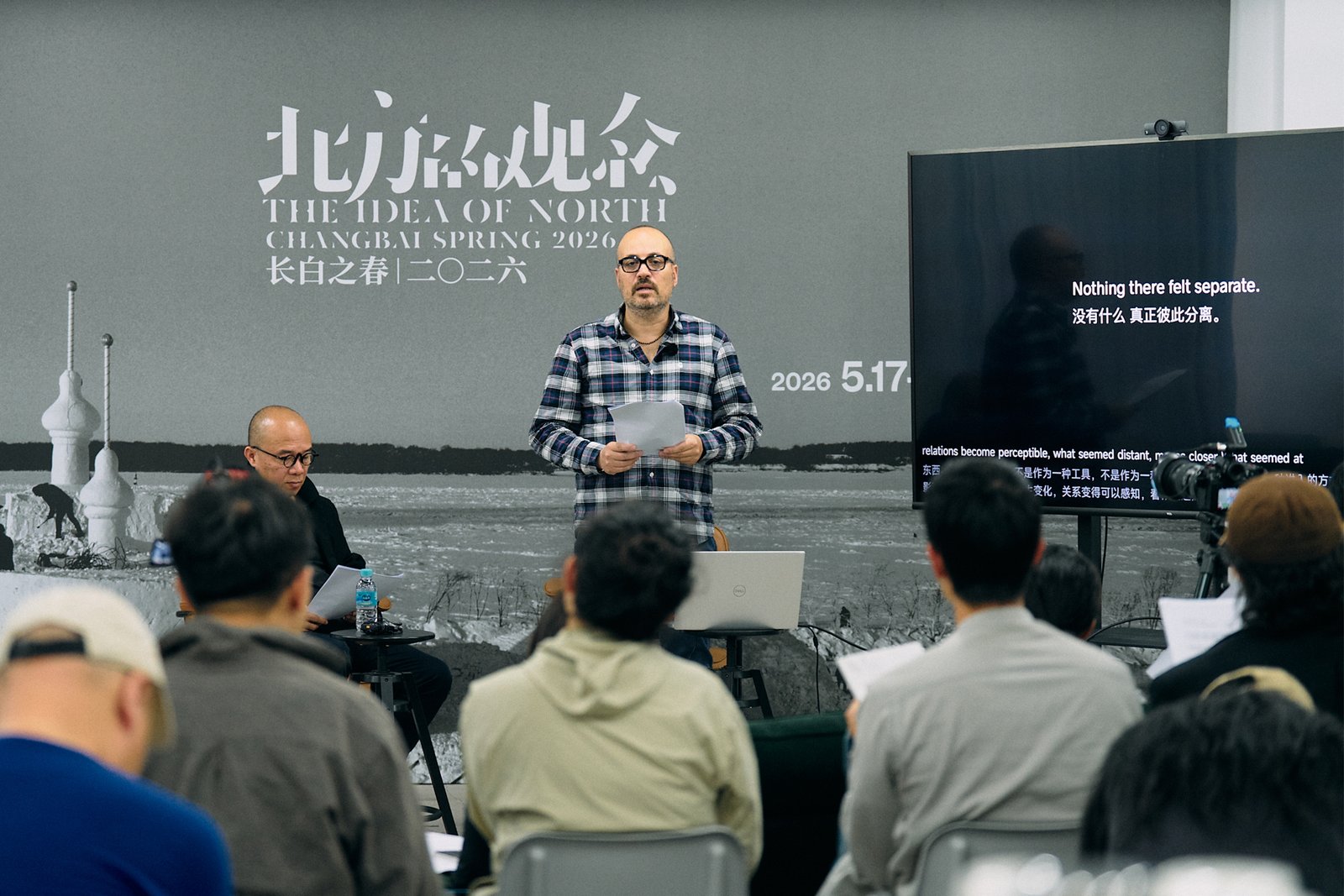
The Manifesto of Rural Futurism was co-authored by Leandro Pisano and Beatrice Ferrara. Its Italian and English editions were first published in 2019, and the text has since been translated into more than ten languages.
The manifesto emerged from long-term field research and sound-art residency projects undertaken across rural regions of southern Italy. It seeks to overturn conventional narratives, introduce technological culture, develop practices of critical listening, and redefine “rurality” in the globalized digital age, transforming the geographical location of the rural into a political position.
The manifesto was translated into Chinese and published on Chinese social media in 2025. This year, Leandro Pisano brought the official Chinese translation to the Changbai Spring residency for its first formal presentation in China.
Rather than reading the original 2019 text verbatim, he rewrote a situated version based on his investigations, conversations, and field recordings in Northeast China and delivered it as a performative reading:
“Here in Northeast China. These layers become particularly dense. Borders. Movements. Histories that do not disappear.. … The rural never existed outside modernity. It absorbs infrastructures. It bans technologies. It transforms abandoned systems into new forms of coexistence. Sometimes quietly, sometimes almost invisibly. Rural futures do not emerge elsewhere. They emerge inside fractures, inside exhausted economies, inside unstable territories, inside leaves that continue despite everything. It has to remain situated. Close to what happens. Close to what resists. Close to what is still forming. Rural futurism is not a projection. It does not imagine a future to come. It stays with what is already unfolding. With what is still unrecognized. With what does not fully appear.”
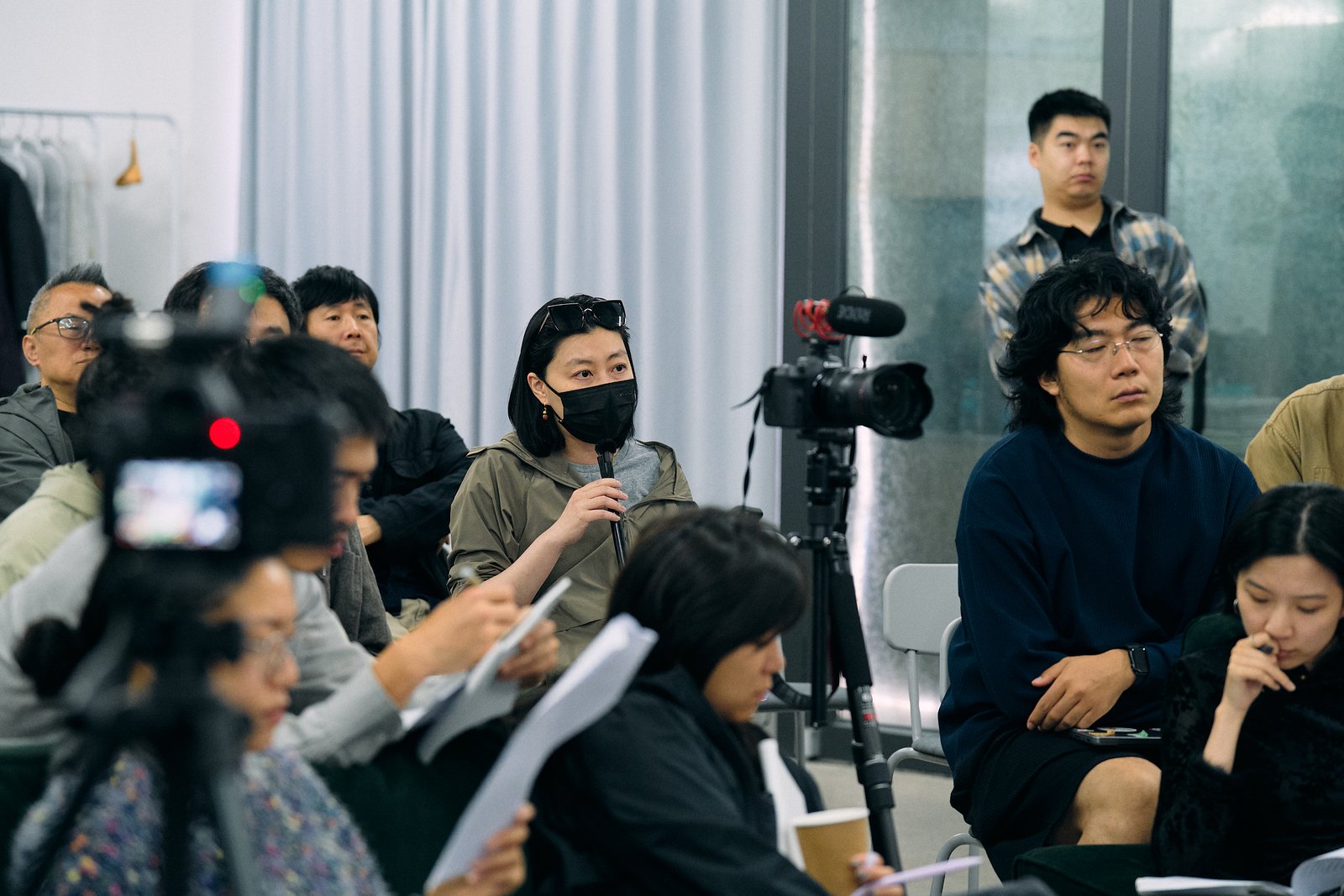
Participants’ questions were based primarily on what they have read in advance of the 2019 manifesto.
Tianyu Yang observed that the manifesto’s argument implicitly contains a position on the city. Leandro responded that defining “rurality” inevitably involves taking the city as a reference point and acknowledged that the manifesto critiques the asymmetric power relations embedded in the urban–rural binary.
Ariel Qinru Hou raised a question regarding the manifesto’s attempt to cross urban–rural boundaries through “sonic epistemology” and “deep listening.” Recording is itself a privileged practice requiring time, equipment, training, and permission. When outsiders enter rural areas with recording devices, how can listening avoid reproducing the asymmetrical power relations of anthropological fieldwork? Might the supposed “democratic” nature of sound be contradicted by the technological infrastructure on which it depends?
Leandro responded that he is fully aware of the colonial and extractive possibilities produced by technology and technical equipment. Listening must therefore be expanded into a universal practice that neither depends entirely upon technological mediation nor remains constrained by technology. It must also overcome anthropocentric approaches that objectify sound. This was the reason the Weimin Open-Air Market Fair workshop required participants to listen before recording and did not aim to create a sound archive or artwork.
Ou Ning responded with the example of his 2021 project “Original Sound” in Taiyuan. By giving recording devices to ordinary workers at the Taiyuan Pharmaceutical Factory and encouraging them to record with their own phones, he mobilized an everyday practice of listening and recording.
The project sought to use the “democratic” rather than the “extractive” possibilities of technology to achieve a re-empowerment of listening.
Beyond sound practices, Nancy Yao Ji and Leandro discussed the conceptual and spatial “construction” of rurality. Yanhua Zhou and Ou Ning discussed the Bishan Project, rural Northeast China, and agriculture. Feifei Zhou focused on the relationship between noise and language, while NiNi Dongnier examined the performative structure of Leandro’s reading.
Screening and Discussion
声音是货币吗?
Can Sound Be Currency?
2021, Color, 19’43”.
饱食终日的我
Gluttonous Me
2018, Color, 28’37”.
Liu Chuang
NAAA, Erdaobaihe
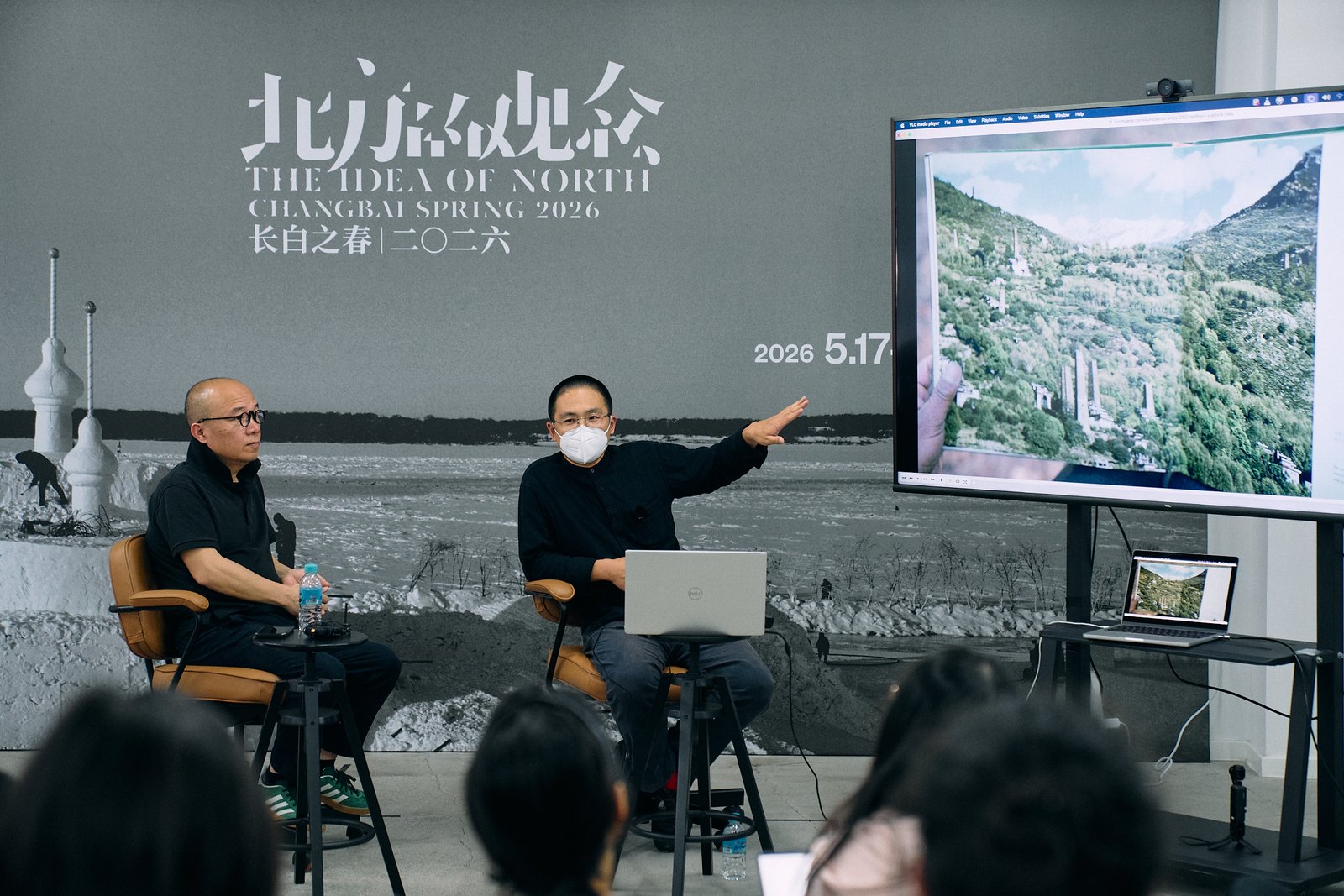
These two single-channel films are components of Bitcoin Mining and Field Recordings of Ethnic Minorities, a project commissioned for the 2018 Chengdu–Pompidou International Art Biennale Cosmopolis.
The project originated in preliminary research conducted by Liu Chuang and Yang Beichen. They discovered that because Bitcoin mining depends on low-cost electricity, large numbers of mining machines were concentrated around hydroelectric power stations constructed along the Jinsha, Dadu, and Yalong rivers in Yunnan, Guizhou, and Sichuan.
These locations also corresponded closely with areas inhabited by ethnic minorities in Southwest China. Liu Chuang therefore traveled to the sites of these hydroelectric stations to conduct fieldwork and filming.
The completed three-channel film constructs a speculative journey through the histories of technology, infrastructure, ecology, and finance, interweaving these fields with anthropological knowledge production and global imaginaries drawn from science fiction. It is a representative example of Liu Chuang’s essay-film practice.
Gluttonous Me extracts material from the three-channel version relating to EVD players and the question of “how to imagine the Other.” It retains the female Muya-language narration and references to Steven Spielberg’s Close Encounters of the Third Kind and Andrei Tarkovsky’s Solaris, but re-edits them into a single-channel format.
Can Sound Be Currency? documents oral narratives concerning sacred mountains in the Gyalrong Tibetan region of Sichuan, onomatopoeic techniques used to summon white-eared pheasants, and “eagle flutes” in which PVC pipes replace eagle bones.
The film concludes with interview audio collected from Douyin concerning uncanny auditory events in the mountains—what might perhaps be called “online fieldwork.” It was first exhibited at the 13th Shanghai Biennale in 2021.
Sound research can be understood as the core of the entire Bitcoin Mining and Field Recordings of Ethnic Minorities project. Yet Liu Chuang adopts an exceptionally broad perspective and draws upon a complex range of theoretical resources, including ethnic minorities within the Zomia region, gift economies, the history of money, the history of technology, infrastructural heritage, emerging industries, deep ecology, sonic geography, and the politics of listening.
His latest work, Wet Metal, extends this research into landlocked Uzbekistan in Central Asia. We look forward to seeing what new resonances may emerge between his practice and Northeast Asia through his participation in Changbai Spring.
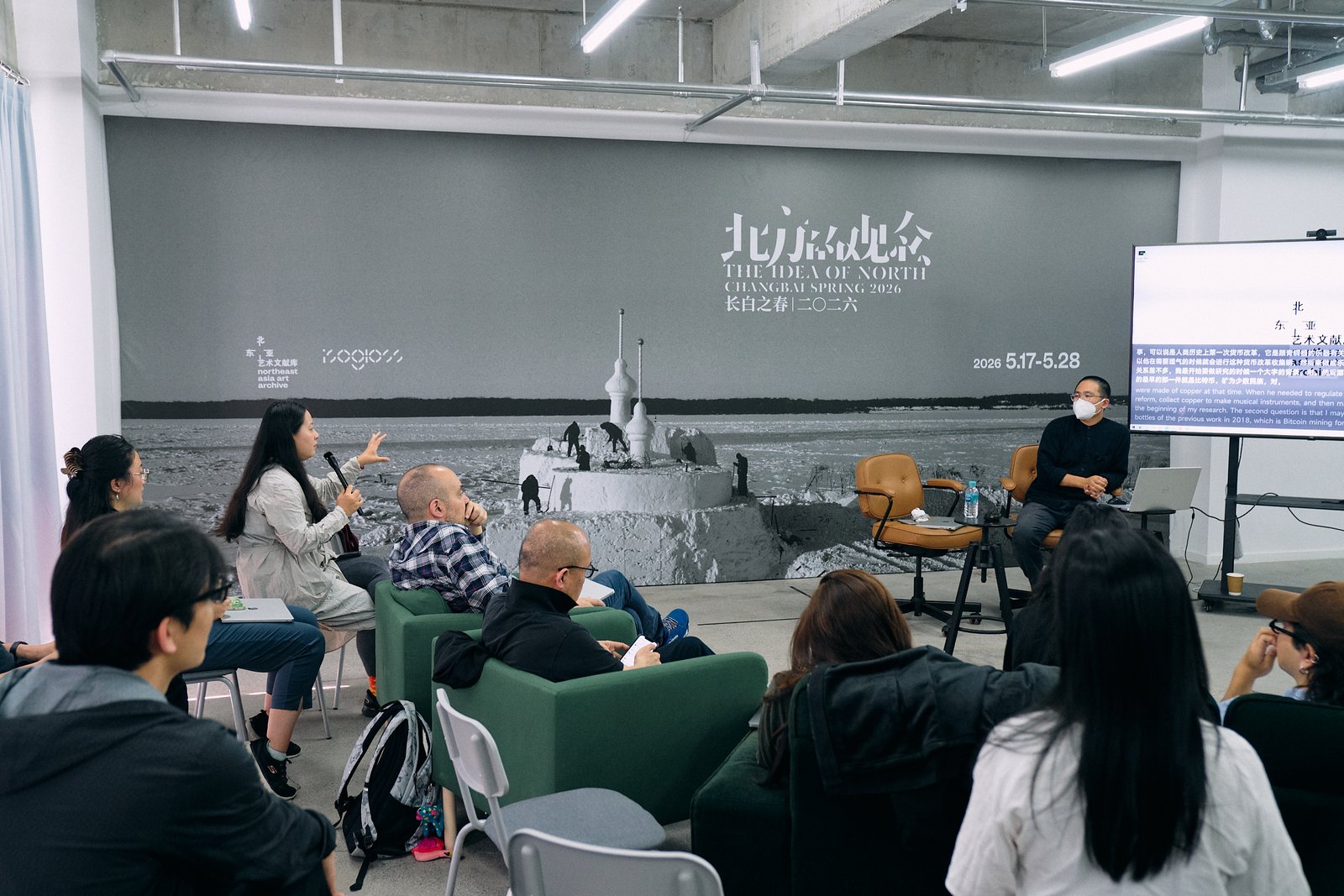
Yining He argued that the successive appearances of electrical wires and EVD players in Bitcoin Mining and Field Recordings of Ethnic Minorities represent “two moments in which ethnic minority regions of Southwest China were drawn into processes of colonial modernity.”
Liu Chuang, however, prefers to describe the circulation of EVD players into ethnic minority regions of Southwest China as a form of “technological accelerationism” rather than “colonial modernity.” Produced around the year 2000 in the industrial areas of Suzhou through the convergence of “surplus electronic manufacturing capacity and a surplus furniture industry,” these “shanzhai (knockoff)” products were networked audiovisual systems that used lighting to make sound visible. Migrant workers brought them back to their hometowns, where they replaced the traditional location of household shrines. As the Muya-language narration states, “We completed in thirty years the history that took the Han Chinese one hundred years.” This acceleration was as violent as colonialism. Early anthropological knowledge production served colonial systems. When field research is absorbed into colonial policy or capitalist strategy, what is brought back may become a “poison” rather than the expression of goodwill originally intended by the anthropologist. Likewise, the EVD players enthusiastically brought home by migrant workers may generate sound fields that destabilize the foundations of local life.
Like Huirong Ye, Liu Chuang believes that colonial and postcolonial theories do not readily fit the Chinese context. Replacing the Chinese category of “ethnic minority” with the American term “Indigenous people” is not necessarily accurate. The Yao, for instance, have traditions of mobile migration across mountain regions, as do pastoral peoples. Within China, the Han are in fact the largest sedentary population.
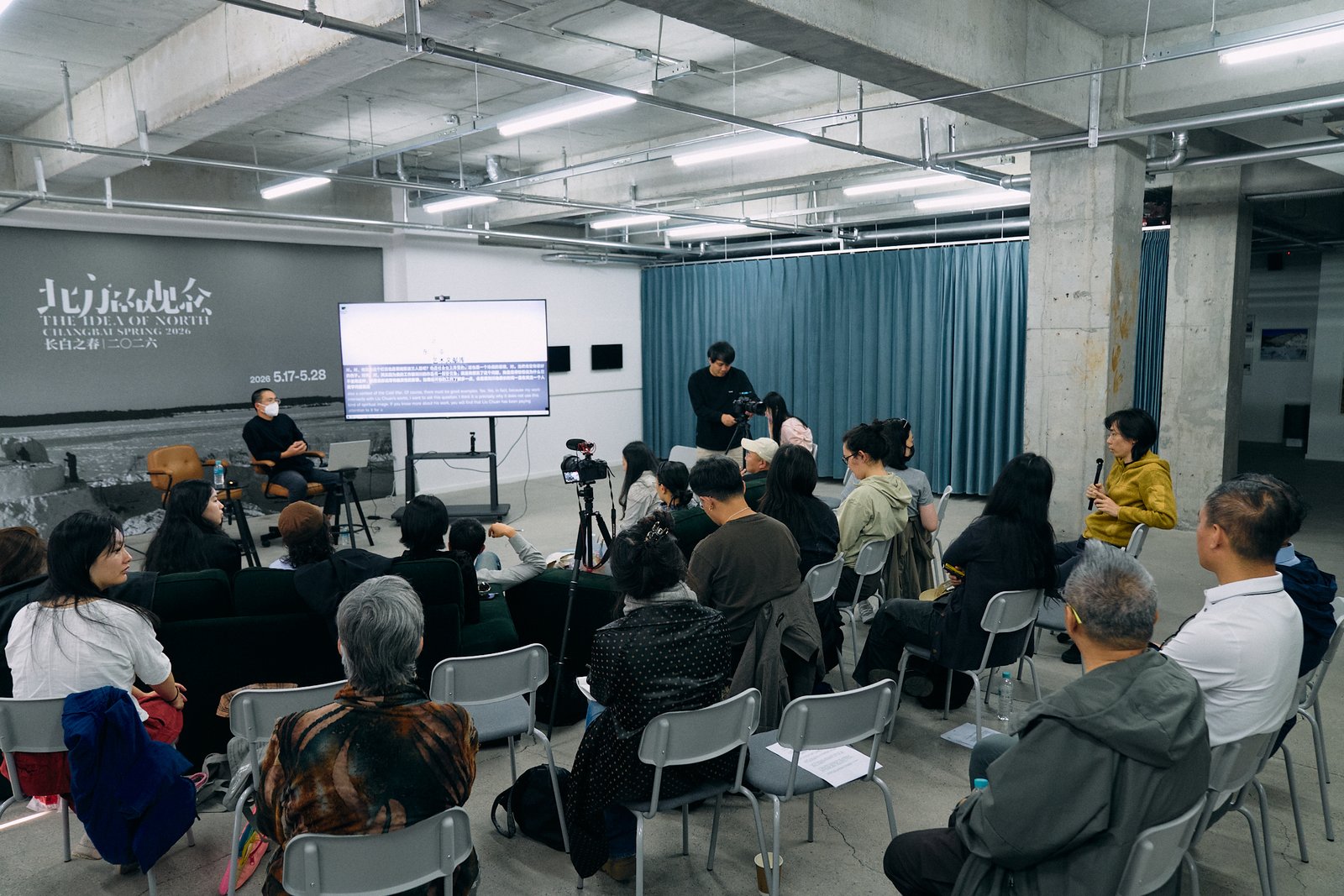
Ariel Qinru Hou asked why the film references Close Encounters of the Third Kind and Solaris. Given that the film uses the low-tech EVD player to express a spectral condition, might degraded media or material derived from pirated circulation have been more appropriate?
Liu Chuang explained that he chose these two canonical American and Soviet films to create a Cold War metaphor. The electronic components used in EVD players originated in military technologies researched by both the United States and the Soviet Union during the Cold War and later adapted for civilian use.
Wang Hongzhe, whose research partially overlaps with Liu Chuang’s work, added that he had specifically studied NASA’s Search for Extraterrestrial Intelligence (SETI) program. It reached a high point in the mid-1970s, precisely when Close Encounters of the Third Kind was being made.
During the Brezhnev era, Soviet and American scientists collaborated extensively in this field. In addition to radio astronomers, anthropologists and linguists were invited to study the possibility of communicating with extraterrestrial beings. Stanisław Lem, the author of the novel Solaris, was part of this intellectual environment and was also a founder of both the Polish Cybernetic Society and the Polish Astronautical Society.
Liu Chuang’s references to the two films therefore emphasize not only the Cold War context, but also his interest in epistemological questions underlying early linguistics.
Screening and Discussion
魔法星图
Magic Atlas
2026, Color, 84’55”.
Sun Xun (via Zoom)
NAAA, Erdaobaihe
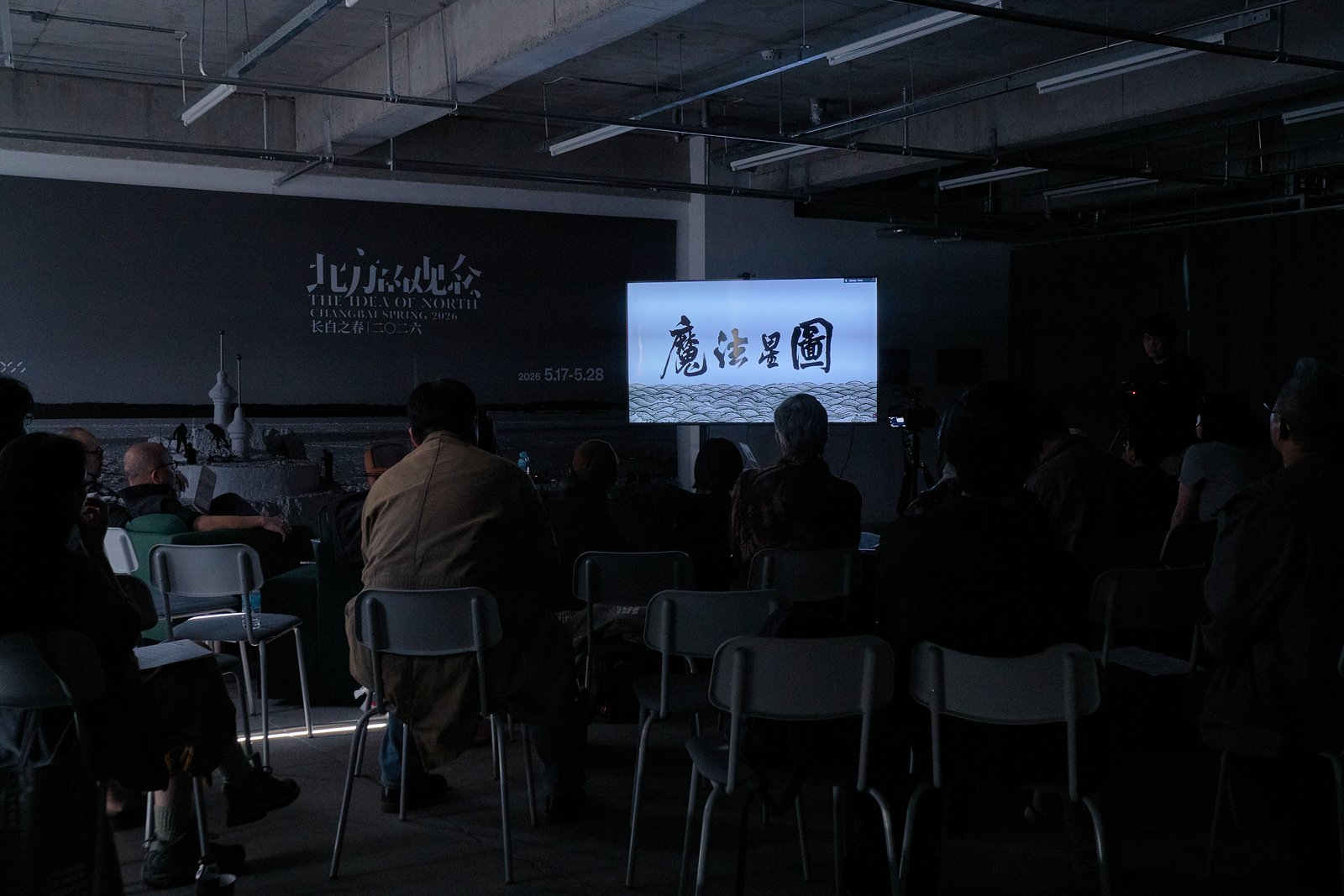
Magic Atlas is a narrative animated film produced over ten years with the participation of more than six hundred people.
Its protagonist is a young boy named Xiaozhi, who studies under the sorcerer Jianan at Jintaling. Guided by the Magic Atlas, he assumes different identities and travels through six countries: Luocha, Dunhuo, Wusun, Jingbang, Yanyi, and Jukuzhou.
Although woodcut serves as the film’s primary visual language, Sun Xun also incorporates Persian miniature painting, traditional Chinese ink painting, brick painting, porcelain painting, and contemporary painting. Across an extended and labyrinthine narrative, he constructs a metaphorical dark wasteland and dystopian vision.
The section we watched was set in the country of Luocha, a coal empire enclosed within an extremely cold region, characterized by rugged terrain and an absence of historical records. As energy shortages produce widespread panic, the puppet emperor orders a mosquito surveillance system to release amnesia powder during the grand Festival of Dreams, erasing the memories of the celebrating population.
Viewed from the elevated perspective of an airship controlled by a top-hatted magician, Luocha reflects Sun Xun’s childhood memories of Fuxin, Liaoning, while incorporating historical traces of both Manchukuo and Nazi Germany during the Second World War. These references are embedded within the film’s fictional system, generating an elusive and fantastical narrative.
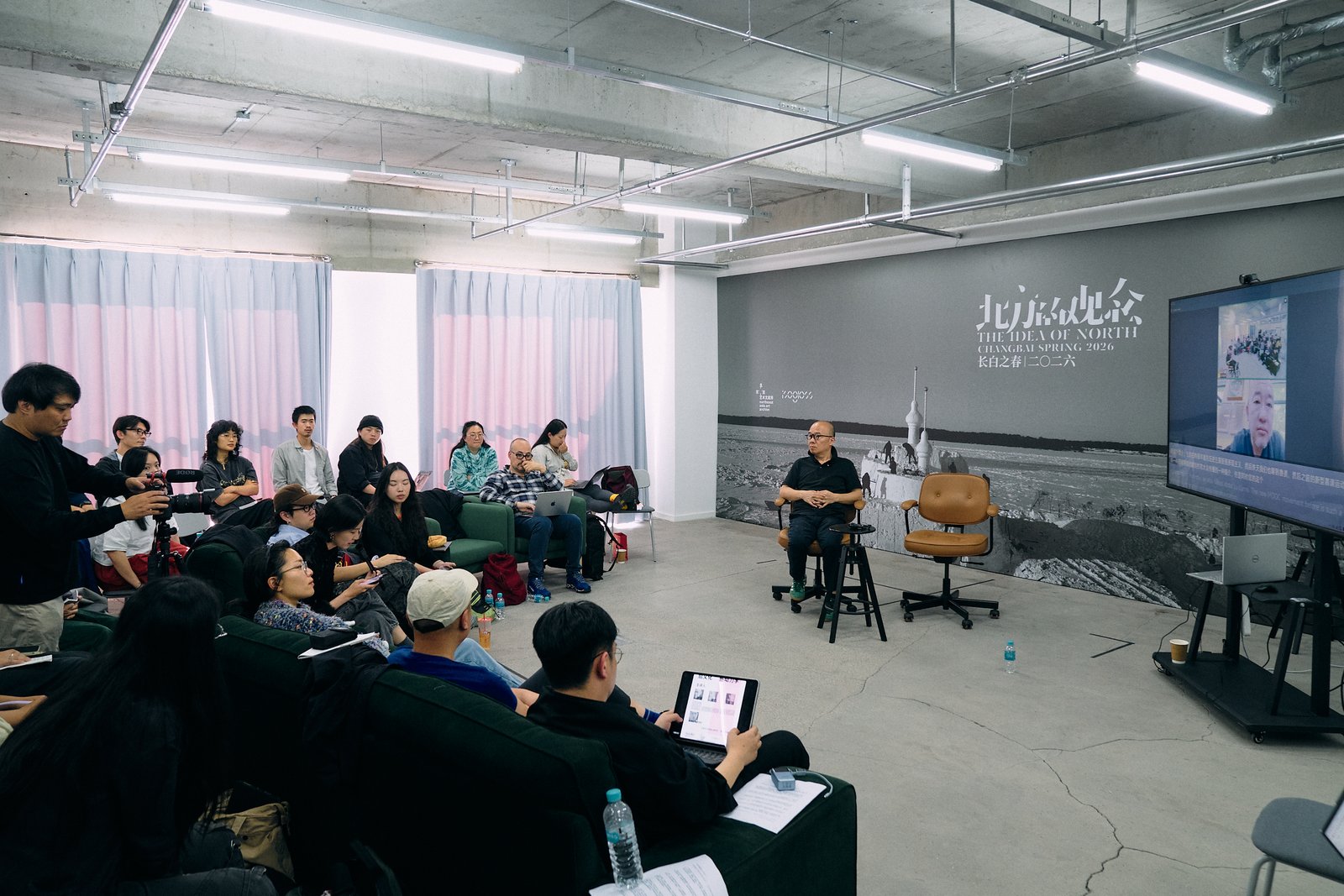
Sun Xun explained that Magic Atlas is a feature-length work he felt compelled to complete within his lifetime. It needed to encompass a summary of, and response to, everything he has thought and witnessed, presenting what cinema means to him personally.
Responding to Renee Jin’s question about why he retains the carved traces of the woodcut in the film, Sun said that they represent the texture of friction with the world. The film directly transforms the original carved wooden blocks into animation. The blocks do not pass through a printing process. They are therefore not woodblock prints, but simply woodcuts. “Woodcut is, in fact, a form of destruction. When you face a complete wooden board and carve into it stroke by stroke, you feel that the world is continually being lost. What remains is a ruin. Everything you see is a ruin. None of it is real. Ruins accumulate upon ruins, and together they become the world before our eyes.”
The top-hatted magician in Magic Atlas first appeared in Sun Xun’s graduation work at the China Academy of Art. The figure has continued through many of his earlier short films and has become a distinctly Sun Xun–like metaphor. “A top hat contains many magical props. From ordinary people to famous historical figures, everyone is a magician—a licensed liar.” Sun Xun’s reflections on lies and truth, history and the present, converge in Magic Atlas, condensed into an expansive allegory with a monumental structure and broad range of references.
Presentation and Discussion
土壤生灵与语言助手
Soil-beings and Language Helper after Discourse
Speaker: Renan Laru-an (via Zoom)
NAAA, Erdaobaihe
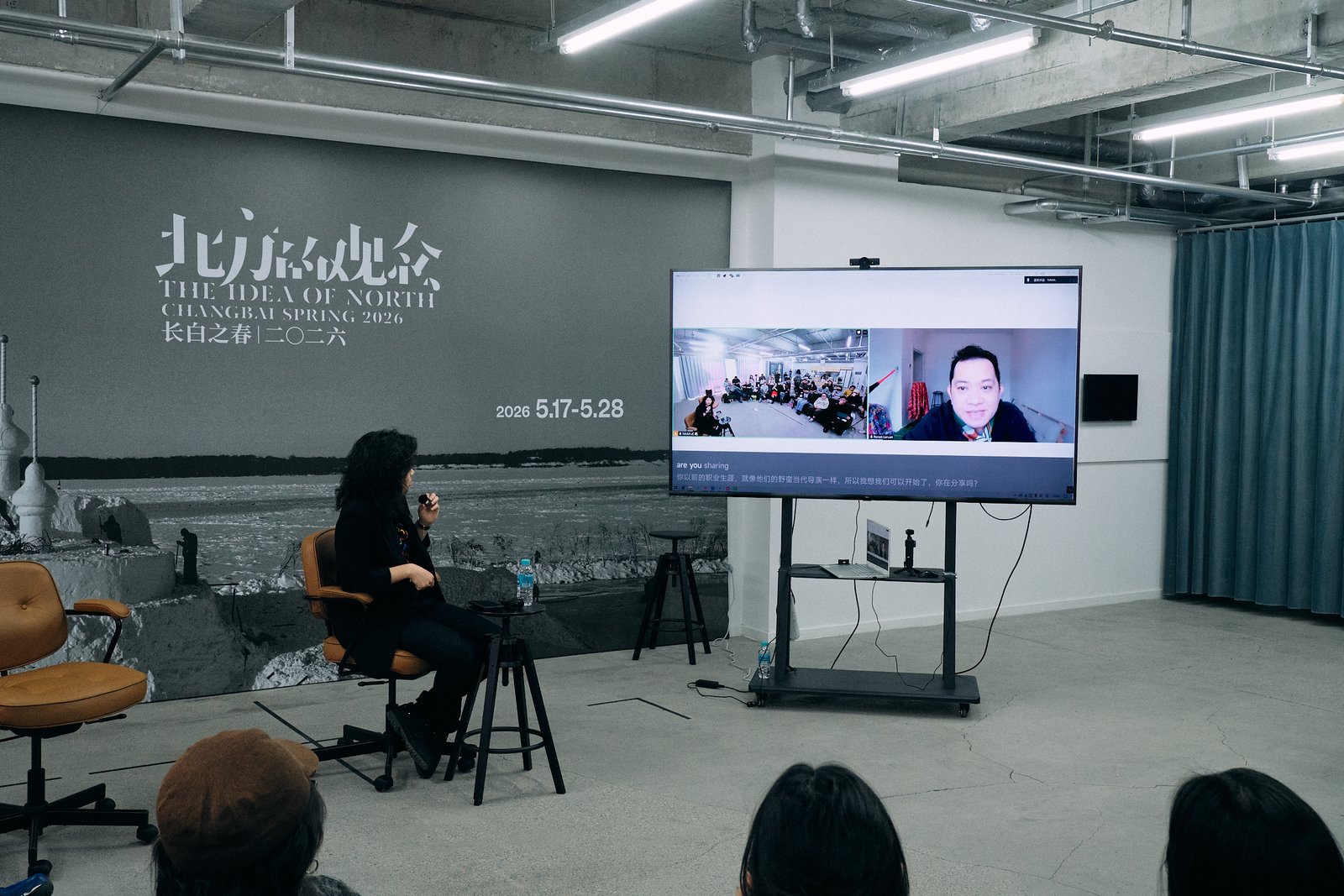
Soil-beings, the exhibition curated by Renan Laru-an for the Philippine Pavilion at the 2025 Venice Architecture Biennale, moves beyond conventional questions of land politics. Instead, it treats soil as a sentient living subject and places it at the center of how the world might be understood, while considering what forms of linguistic expression it may produce.
Soil samples collected from three locations in the Philippines were exhibited within a specially designed circular architectural installation called the “Terrarium.” The erosion and weathering of the samples during the exhibition were themselves considered part of the work. Renan’s presentation situated the exhibition within a broader pan-Southeast Asian research framework. Drawing on theories of the origins and migration of Austronesian languages, as well as fieldwork conducted for the exhibition, he developed the concept of the “language helper.”
This term originally came from the Summer Institute of Linguistics, founded in the United States in 1934, whose primary work involved creating alphabetic writing systems, or Romanization schemes, for minority languages. A “language helper” is not equivalent to a translator, nor is the role limited to simple mediation between two languages. It involves deep coordination among different forms of mediation, particularly by helping expression take shape across diverse cultures and contexts. The language helper is a medium that activates linguistic capacity within cultural exchange, moving beyond purely scientific systems of encoding.
Renan described examples from the Soil-beings project in which language helpers played a crucial role in researching and participating in Indigenous Philippine aesthetic expressions concerning soil and articulations of the trauma caused by landslides. This working method offers important insights for regional research in Northeast Asia.
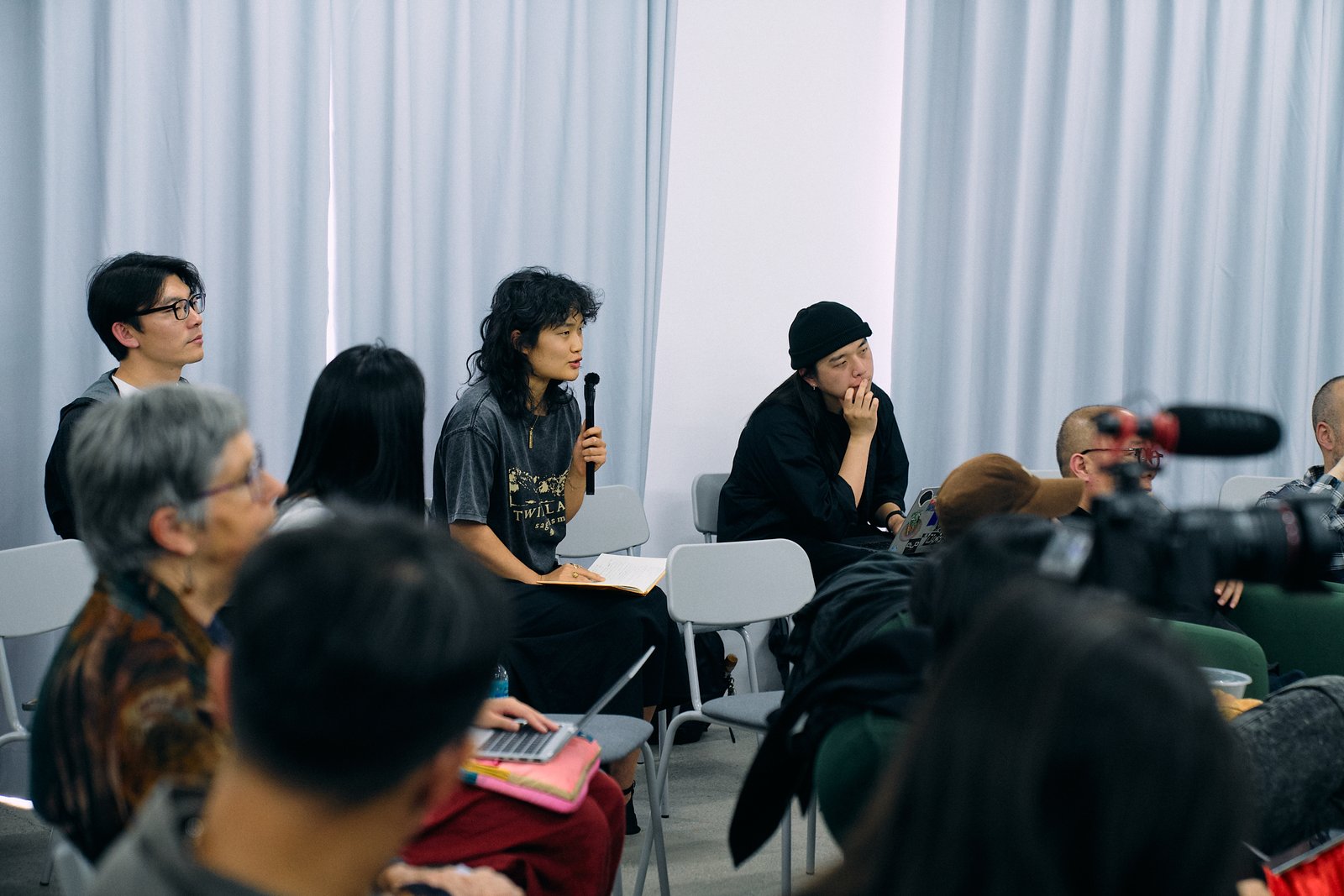
Angelina Guo felt that Renan’s presentation gave soil connotations of both “empowerment” and “revenge,” in contrast to conventional “disaster narratives.” This led her to consider phosphate extraction on Banaba Island and the dumping of nuclear waste in the Marshall Islands, both in the Pacific. What would it mean to understand soil as a “tool of empowerment” in such places? Should one not first recognize the histories of loss and displacement produced by colonial extraction?
Renan explained that debates over resource extraction began in the Philippines as early as the 1960s. The relationship among land in the “Third World,” plantation economies, and colonialism has also received considerable attention. In the 1970s and 1980s, the focus gradually shifted toward food security and food sovereignty. Contemporary discourse primarily responds to climate disasters, yet soil itself is rarely discussed as a subject in its own right. When engaging with post-disaster reconstruction following landslides, Soil-beings attempted to move beyond conventional “Third World” narrative frameworks.
Through a more “organic” method, local people were invited to act as guides for survivors. Theatre workshops enabled survivors to find new forms of expression beyond the prevailing “discourse of recovery” and “discourse of rescue,” allowing them to articulate experiences of suffering that had not been adequately expressed. This constitutes one working method of the language helper.
Feifei Zhou raised the paradoxes involved in curating exhibitions on ecological themes. An exhibition concerned with soil, for instance, may be required to sterilize soil samples before transporting them across borders, resulting in a second “murder” of the soil. How should a curator confront such contradictions?
The practical organization of an exhibition cannot easily escape quarantine regulations. To engage more effectively with reality, Renan recommended replacing conventional “planning,” in which ideas are directly converted into policy, with “creative exercises”: learning in the field, practicing, continually proposing, and repeatedly testing ideas so that intellectual imagination does not become detached from material reality.
May 22, 2026
Field Trip
黄金国:清代夹皮沟金矿与“韩边外”
The Golden Kingdom: Han Family and the Jiapigou Gold Mine
Jiapigou Town, Huadian
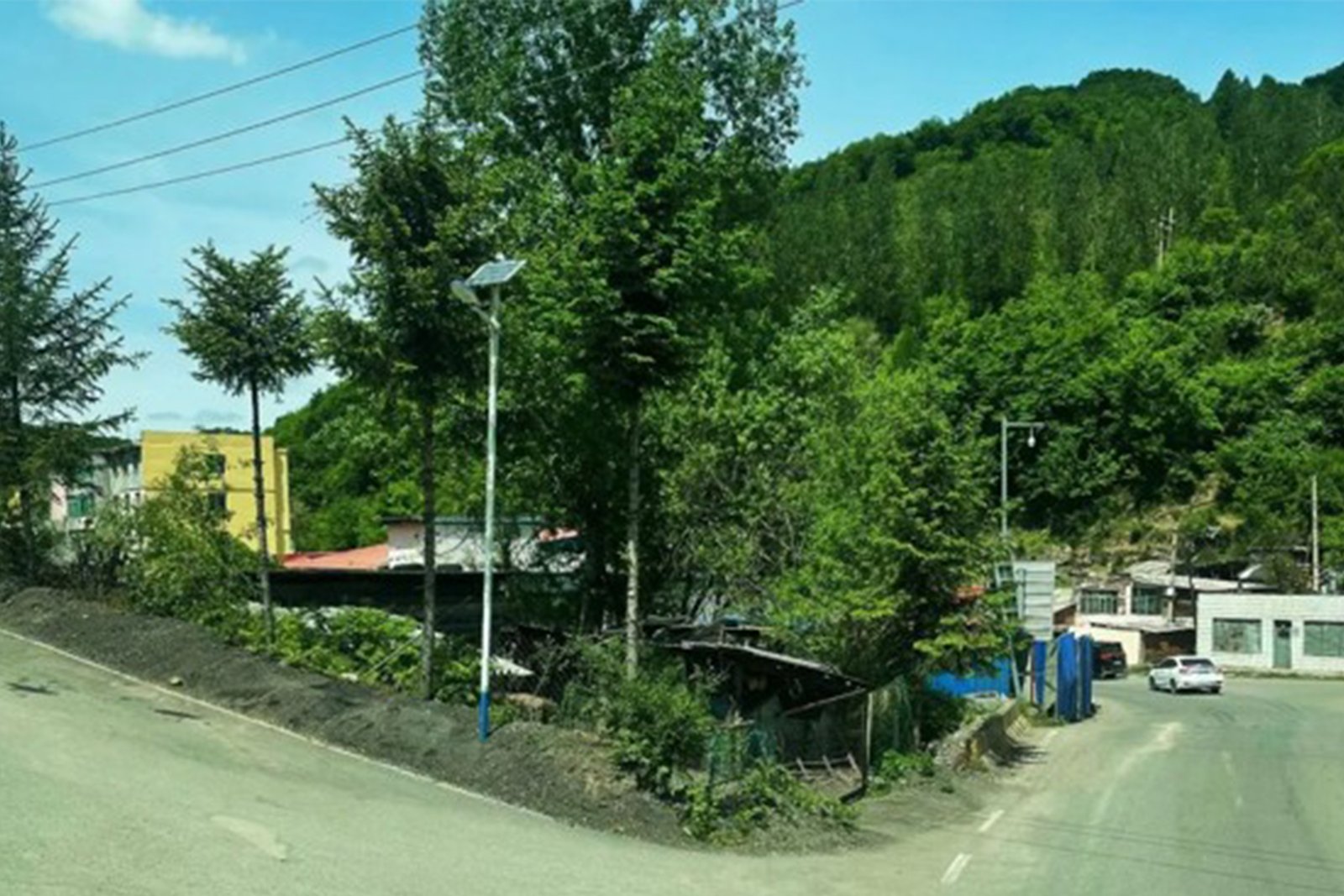
Hanbianwai is the collective name given to the Han family and the autonomous polity they controlled in Jilin from the Qing dynasty through the Republican period. The name derives from the family’s long-term residence beyond the Willow Palisade. The family first rose to power when Han Xianzong began mining gold at Jiapigou, gradually developing an independent “Golden Kingdom.”
Wu Qiao recorded in Kuancheng Essays in 1917:
“The Jiapigou gold mine lies 485 li from the provincial capital and 215 li from the county seat. The valley is less than three li long and less than twenty zhang wide. During the twentieth year of the Guangxu reign of the former Qing dynasty, it produced abundant gold dust and employed between forty and fifty thousand miners. In this small corner of the world, there were at the time two theatres, with performances staged morning and evening. Gold dust circulated as currency in ordinary transactions, and even the purchase of fruit could involve considerable quantities of gold. Merchants therefore gathered there from all directions.
… During the Tongzhi and Guangxu reigns of the former Qing, there was a man known as Hanbianwai, originally from Shandong. Resourceful and capable, he gathered displaced people from the regions of Yan and Qi to mine gold at Jiapigou. He imposed strict rules, established distant watch posts, and presided over a steadily growing population, creating what resembled an entirely new world in the remote wilderness. … Within Han’s territory were more than 1,800 registered households and ten thousand men and women, organized into 150 divisions. Security was rigorous, and the population lived in peace. It was said that lost property was never taken from the road.
Before Huadian, Panshi, and other counties had established formal administrations, residents depended entirely upon the Han family to redress their grievances and maintain their livelihoods. For this reason, during the Sino-Japanese negotiations over Gando, the Japanese referred to this place as a secret kingdom of the world.”
Liu Shuang added the following note in New Gazetteer of Jilin in 1934:
“Its organization established one village every sixty li, and each village had both military quarters and an inn. Impoverished migrants could stay at the inn without charge. They received food and clothing while alive and garments and coffins upon death. The territory also established foundling homes and residences for the elderly. The population was cared for in life and death and therefore gave the administration its full support.
The people were organized as soldiers and stationed in different military camps. Defenses were established at strategic points, and neither officials nor civilians could enter the territory without permission.”
The Han family lost its mining rights in 1934. The Jiapigou Gold Mine remains in operation today. We visited the mine, although no trace survives of the former autonomous world described in these accounts.
Field Trip
帝国遗梦
Echoes of the Empire
Museum of the Imperial Palace of Manchukuo, Changchun
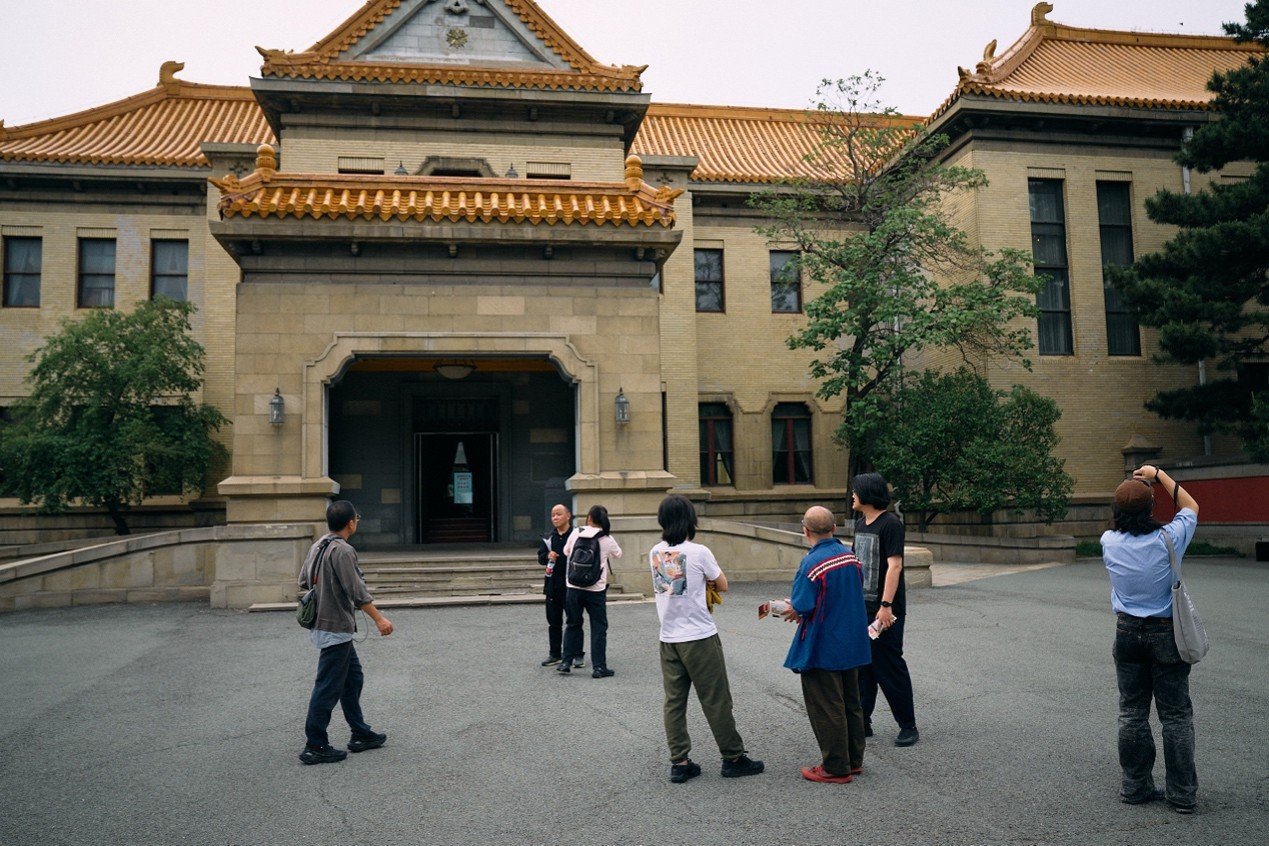
This site originally housed the Jilin–Heilongjiang Salt Transport Administration, the government office responsible for salt affairs in the two provinces. After Aisin-Gioro Puyi became Chief Executive of Manchukuo in 1932, he used the compound as the seat of his government. In 1934, Puyi declared himself emperor, transforming Manchukuo from a republic into an empire, and the site became his imperial palace.
According to Manchukuo’s Capital Construction Plan, the Kwantung Army intended to build a formal imperial palace for Puyi in the southern suburbs of Hsinking. Before construction of the permanent palace, a temporary palace known as Tongde Hall was built on the former site of the Jilin–Heilongjiang Salt Transport Administration. Tongde Hall was designed by Kenkichi Aiga in 1935. Construction began in 1937 and was completed in 1938. After Tongde Hall was finished, foundations were laid for the new imperial palace. However, it remained incomplete when Japan was defeated and Manchukuo collapsed in 1945. The compound therefore continued to serve as Puyi’s residence and the administrative center from which he handled the affairs of Manchukuo.
In 1962, the site became the Exhibition Hall of the Puppet Imperial Palace. It was renamed the Museum of the Imperial Palace of Manchukuo in 2001 and remains one of the most important sites for understanding the modern history of Northeast China.
May 23, 2026
Presentation and Discussion
东北绺子考
The Bandits in Manchuria
Speaker: Cao Baoming
Jilin University of Arts, Changchun
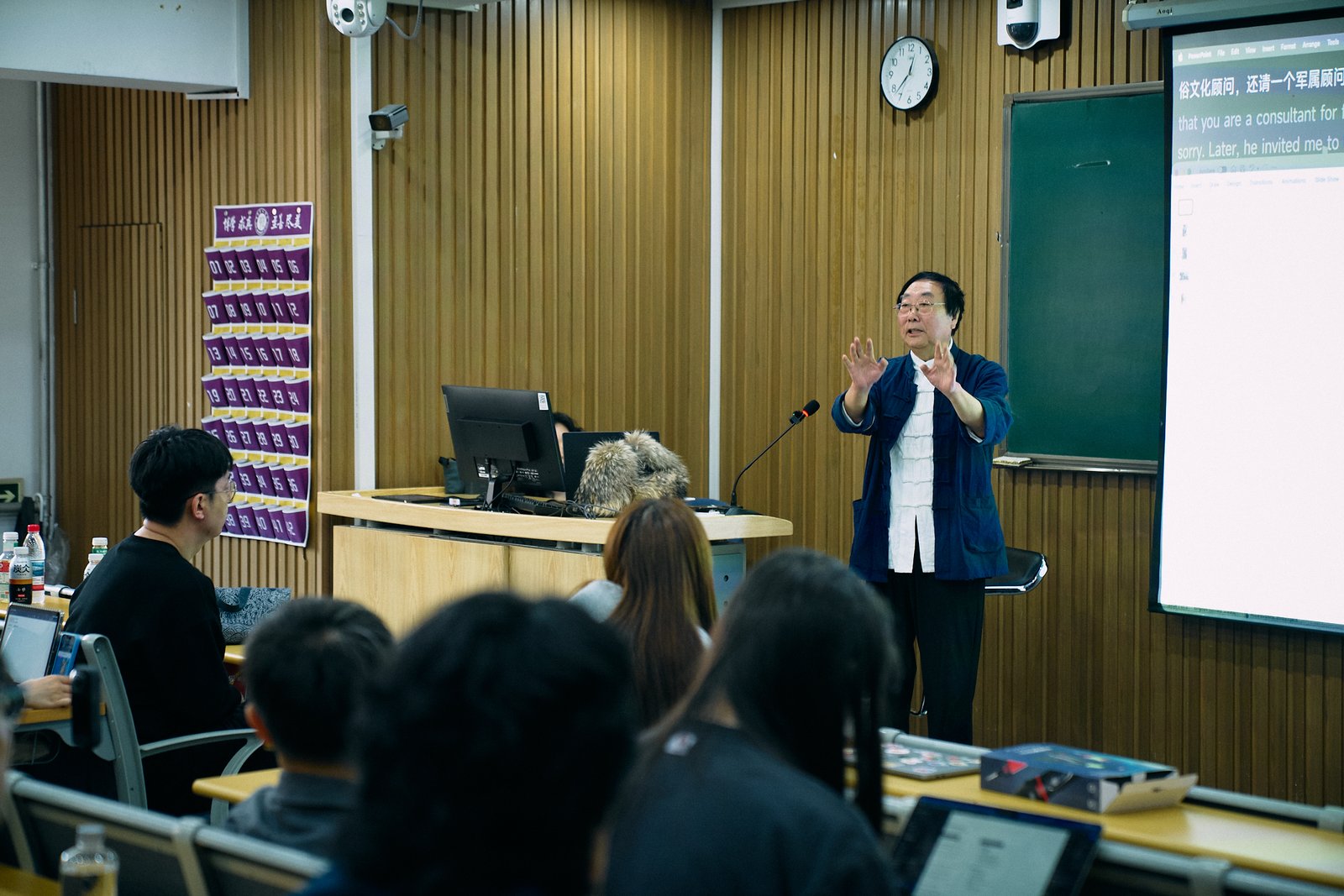
Cao Baoming’s research on bandits in Northeast China began in 1976, when he led students from the Chinese Department of Jilin University on a social investigation in Jiutai County near Changchun.
In the county gazetteer, he discovered records of the anti-Japanese activities of the “bandit” Luo Mingxing, whose alias was “Sanjianghao.” He subsequently wrote a lengthy nonfiction account titled “The Legend of Sanjianghao,” which was serialized in newspapers and attracted widespread attention. Through the publication, he also came to know Luo Mingxing’s descendants.
Over the following decade, Cao continued to examine historical documents and conduct fieldwork throughout Northeast China, compiling information on more than three thousand bandit groups of varying sizes active during the Republican period.
In 1988, he published the first edition of his monograph Bandits, followed by several expanded and revised editions. In 2014, Tsui Hark invited him to serve as a consultant on the film The Taking of Tiger Mountain.
Beginning with his research on bandits, Cao continued to investigate the folk cultures and regional memories of Northeast China through fieldwork. He has now published more than two hundred books and is known as a “living encyclopedia” of the region’s vernacular history.
His presentation returned to the original point of departure for this lifelong research, where he elaborated on the origins of external stigmatizing terms such as “Xiangma (mounted brigands),” “Huzi (bearded bandits),” “Mazei (horse thieves),” and “Tufei (bandits),” in contrast to the internal term bandits used for themselves, “Liuzi (bandits)”.
He explained their complex and secret codes and creeds, as well as argot, traced the relationship between ideals of loyalty and the spirit of the Mohist Xia (knight-errant), and analyzed the interactions between these armed civilian groups and movements of national resistance.
Through vivid individual stories, he reconstructed the brutal rules of survival during periods of disorder and the struggles among different forces within local society, revealing historical landscapes of Northeast China that have been erased or forgotten.
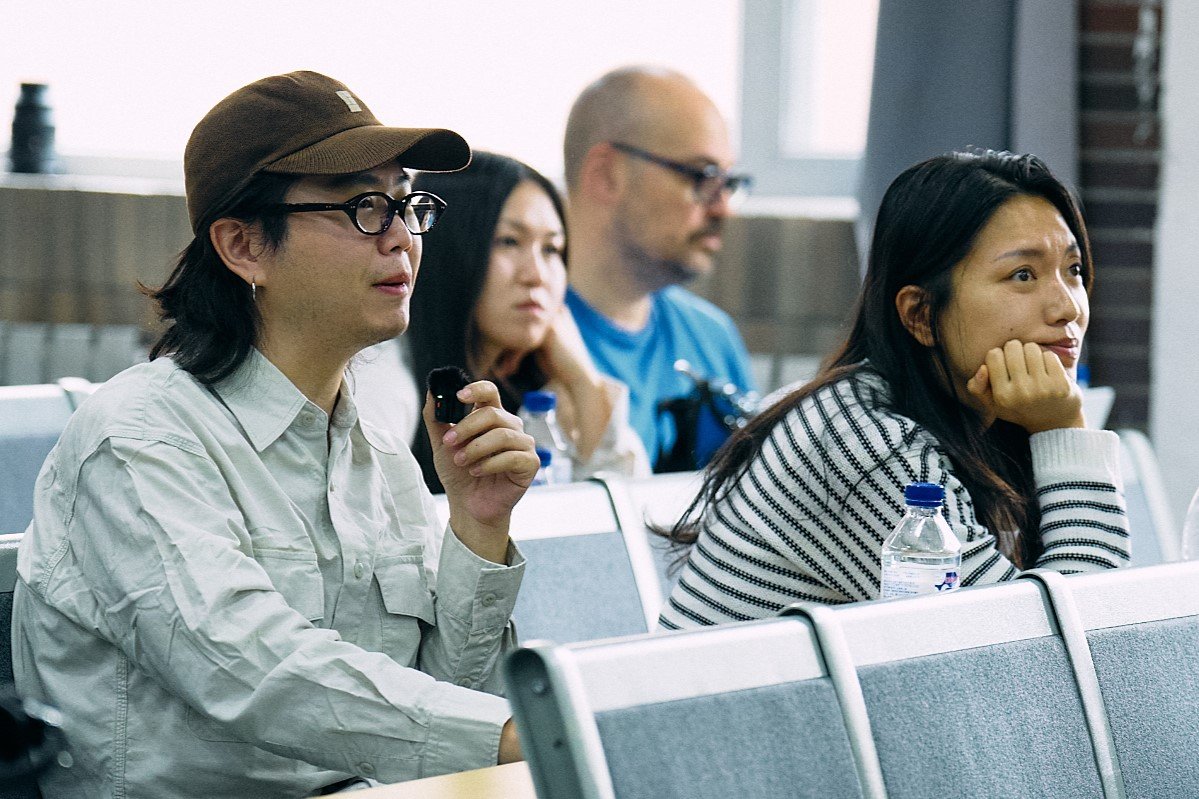
Regarding bandit customs such as the saying “a rabbit does not eat the grass beside its own nest,” Yiqing Chen asked whether this represented a form of “social agreement” among bandit groups occupying different territories.
Cao Baoming explained that it reflected a kind of “moral code.” The villages occupied by bandits, or the villages and roadside inns where they spent the winter when travel was impossible, maintained relationships of support or friendship with the groups and received their protection. To rob such places was to commit a serious wrongdoing and would be punished.
When one bandit group passed through another group’s village, it was required to request permission to “borrow the road,” and the two groups would not interfere with one another. When wealthy fortified households with armed guards resisted bandits, they generally tried not to kill them. Instead, they shot the horses’ legs so that the riders would fall and flee, avoiding the creation of a permanent blood feud. This may be understood as an implicit agreement between bandits and local residents.
Wang Hongzhe argued that such relationships must have involved protection payments.
Cao confirmed that protection fees were indeed collected. Village heads levied contributions from households, and gifts were also delivered to bandits during festivals. The “protection fee” was a relationship of material support that entitled residents to protection during moments of danger. During the Russo-Japanese War, many villages in Northeast China were looted by retreating Russian soldiers. Bandits who had received protection payments would then help villagers fight the Russians.
The raids conducted by ancient nomadic peoples along the borders of the Great Wall may likewise be understood, to some extent, as violent demands for material support from Chinese dynasties. One method of maintaining peace along the frontier was therefore to establish friendly relations—an enduring principle of survival with deep historical roots.
Presentation and Discussion
边疆与东北热动力学
Frontier and Northeast Thermodynamics
Speakers: Pi Li (via Zoom) and Wang Hongzhe
Jilin University of Arts, Changchun
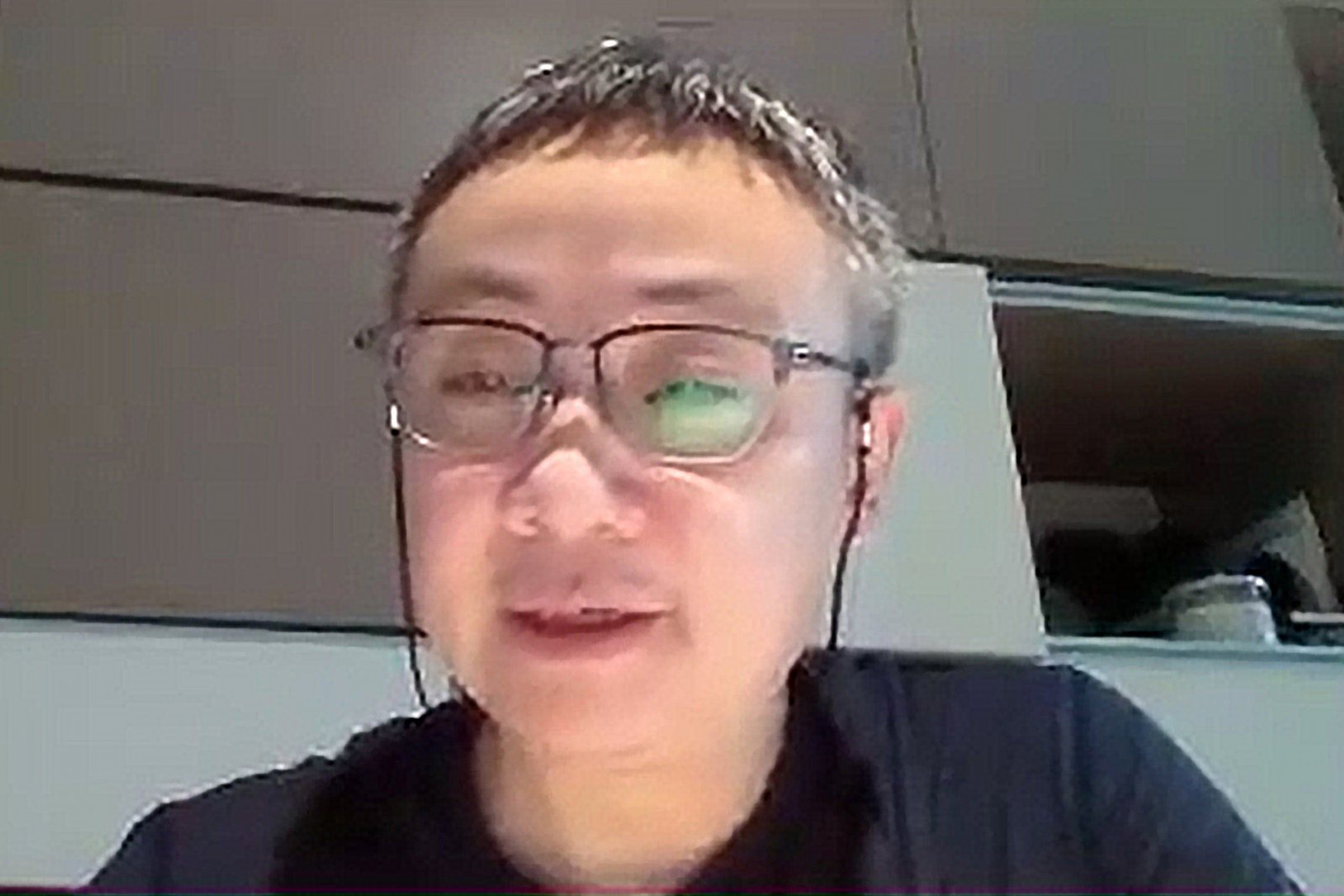
Pi Li began with three books on the Heilongjiang, or Amur River, by Colin Thubron, Dominic Ziegler, and Sören Urbansky. Through them, he introduced his interest in Northeast Asia and the reading that has informed it.
He then examined a body of recent Chinese contemporary artworks concerned with Northeast China through the historical context, geopolitics, and changing forms of belief that emerged after 2000, responding to the theme of his presentation: “Northeast China in Twenty-First-Century Chinese Art.”
In his view, neoliberalism entered a crisis following the 2008 global financial crash. At the same time, the intensifying ecological crisis led many curators and artists to seek alternative epistemological systems. They turned away from conventional Christianity, Islam, and Buddhism toward vernacular forms of belief. Anselm Franke, for instance, began researching animism in 2010, treating it as an antidote to the cosmology and conception of matter produced by the Enlightenment.
Animism inspired greater attention to the nonhuman, while shamanism entered the work of increasing numbers of artists. In China, the pursuit of globalized artistic trends had also begun to produce fatigue. Many artists living overseas returned to China, while others left major centers such as Beijing and Shanghai and returned to their hometowns. Within this turn toward the local, Northeast China quickly attracted attention because of its history as a center of geopolitical conflict and the contemporary rupture of its traditional industrial systems under market forces.
The growing popularity of field- and research-oriented art, encouraged in part by Catherine David’s direction of the “last Documenta of the twentieth century,” and especially the rise of the essay film, provided a powerful methodology and artistic medium for a new generation of Chinese artists.
The five artists Pi Li discussed—Yang Yuanyuan, Hao Jingban, Wang Tuo, Liu Yujia, and Yu Guo—began working on Northeast China under these historical conditions, opening new directions in regional research.
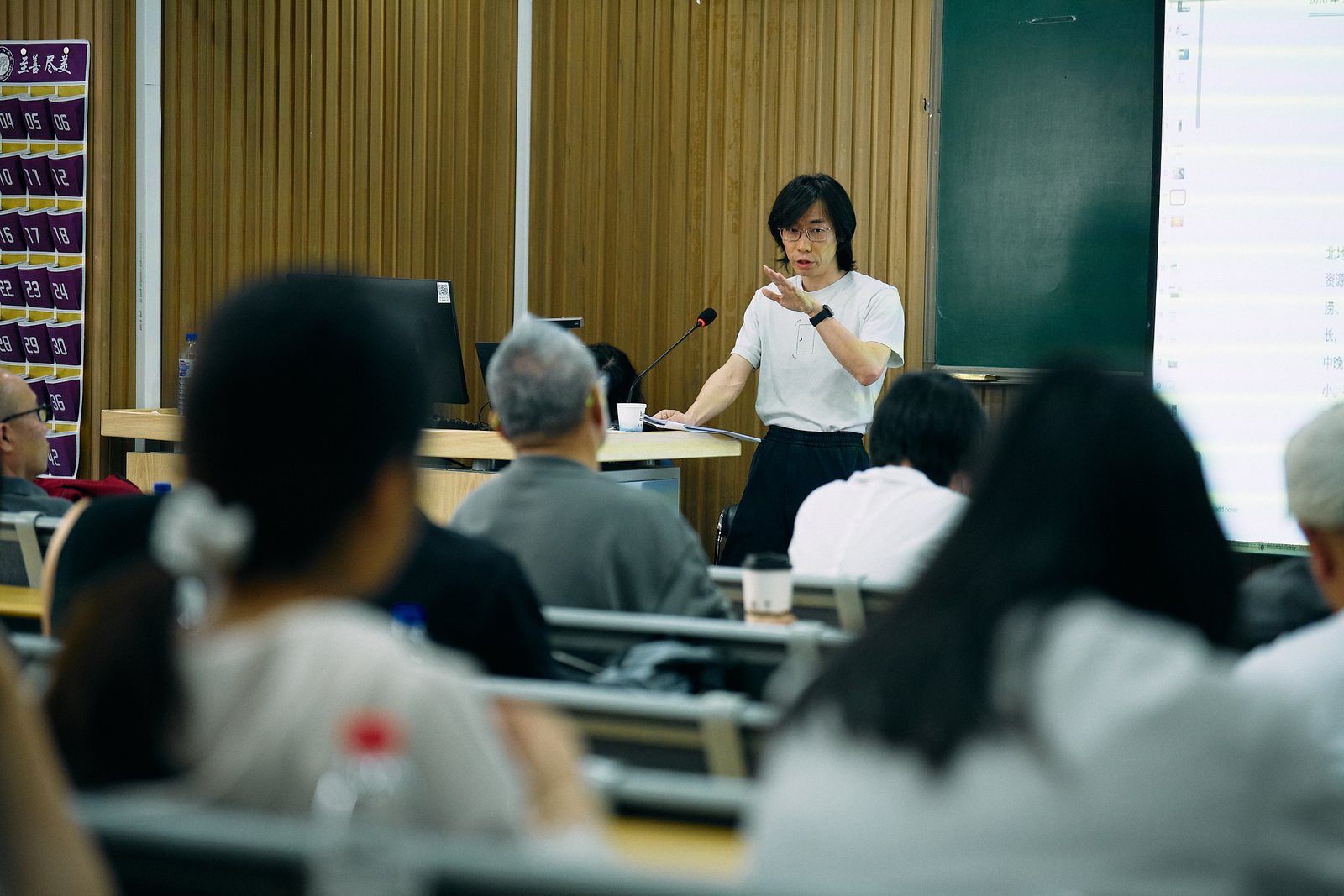
“Why did industrialization so often occur in cold regions, and why did those cold regions eventually become rust? Can we reconstruct a historical-geographical method centered on iron and water, treating industrialization in cold climates as a new geological clue through which to access a deeper modern temporality of the twentieth century?” Beginning with these questions, Wang Hongzhe proposed a thermodynamic interpretation of Northeast China.
Northeast China is the coldest region in the world at its latitude. The beginning of its modernization was partly the result of a historical and geographical contingency in which late-developing twentieth-century empires and industrial capital treated Northeast Asia as a frontier of geopolitical competition. From the perspective of global industrial history, however, Northeast China followed a trajectory similar to that of the industrial belt of the American Great Lakes, the cold-region industrial zones of the Soviet Union and Eastern Europe, and Hokkaido in Japan. Today, each has gradually become a “Rust Belt” of postindustrial capitalism.
Twentieth-century industrialization in cold regions appears to have become a curse, generating repeated forms of flight: from the Rust Belt to the Sun Belt; from north to south; from cold zones to the tropics; from heating systems to air-conditioning; from revolution to art; from socialism to anarchism; from the Anthropocene to the age of shamanism. Yet Wang Hongzhe found that extensive historical data reveal an inverse relationship between climate and population movement in Northeast China. Climatic determinism—the claim that cold caused the region’s decline—does not hold.
By examining a chain of dynamic evidence, including agriculture’s dependence on natural heat, industry’s heating of regional economies, the transition of transport from waterways to railways, changes in global trade routes, the movement of populations across regions, the construction of urban heating systems, the distribution of heat within workers’ communities, and the energy consumption of contemporary data centers, Wang reinterpreted the history of Northeast China as a social history shaped, sustained, and continually transformed by thermal forces. This approach reveals the relationships between population movements and multiple technological and social factors in different historical periods.
Today, Northeast China is transforming from a traditional zone of industrial heating into an emerging zone for the cooling of data centers. Might the region be reheated by machines that require cooling, thereby restoring its thermal circulation? Under such conditions, people might no longer flee the region. The work of examining this history and understanding its consequences would no longer be confined to the self-pity or nostalgia of so-called northeastern or Manchurian modernity. Instead, it could become a recovery of lost heat and lost time—a response to the material and spiritual predicaments of the present.
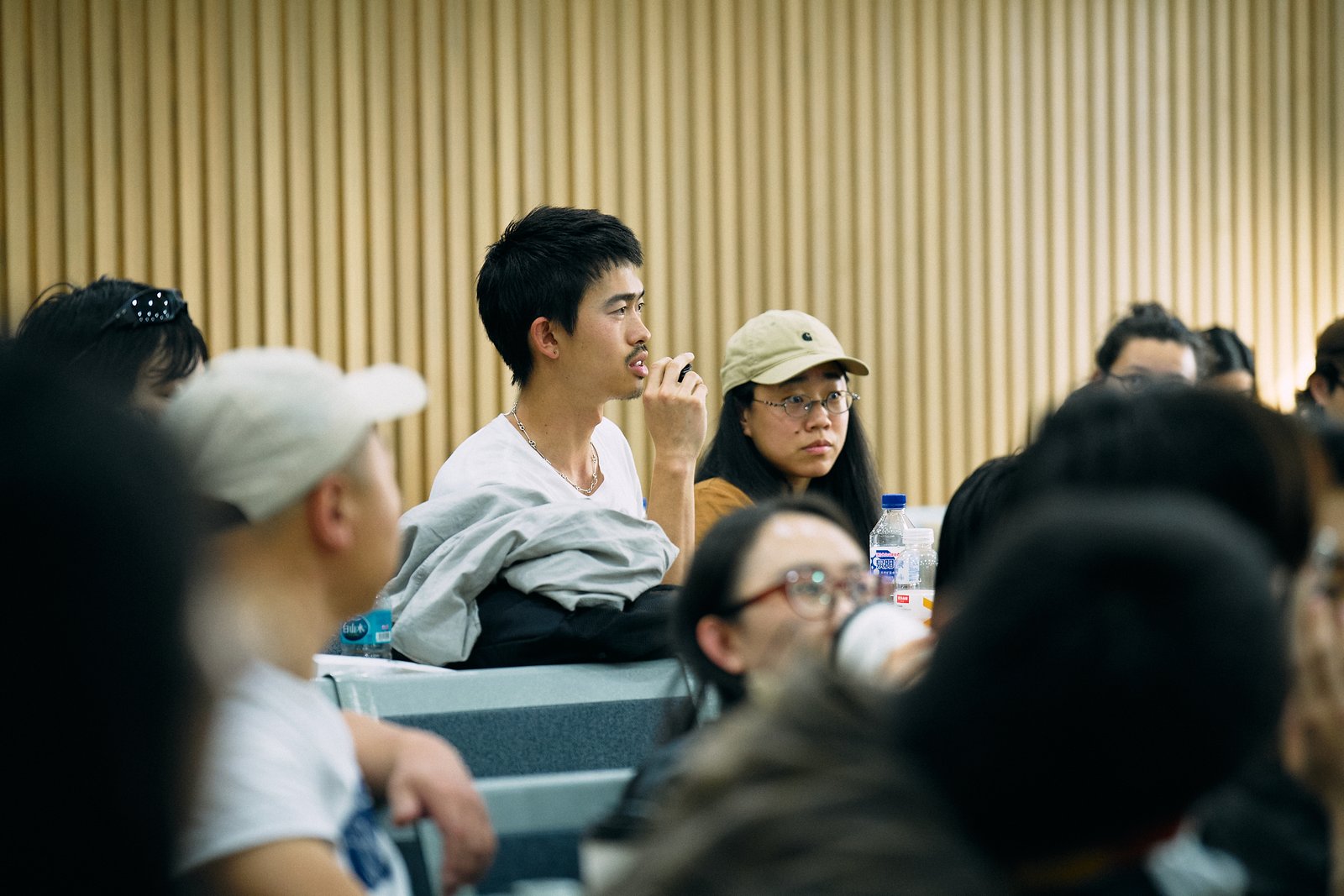
David Zhang was particularly interested in Wang Hongzhe’s phrase “fleeing from the Anthropocene to the age of shamanism.” He asked how a “shamanic perspective” might interpret the historical transition in Northeast China from the traditional heated kang bed, to centralized heating through large and small boilers, and finally to modern air-conditioning, as well as the relationship between the body and systems of heating.
Wang described fieldwork he conducted in his hometown of Anshan in 2009 on laid-off workers. He gave the example of an elderly worker who, after losing his job, divorcing, developing alcoholism, and becoming ill, became a spirit medium. Following the decline of collective systems of thermal circulation, this individual transformed his body into a heat-generating device by healing others, predicting university entrance examination scores, and providing other spiritual services. By producing heat for others, he obtained the conditions necessary for his own survival. In this example, “the shaman becomes a self-heating technology.”
A member of the audience then raised the phenomenon of heavy drinking in Northeast China. In addition to the external heat provided by heating systems, people in the region frequently depend upon the internal heat generated by alcohol. In physiological terms, however, alcohol accelerates the loss of body heat and therefore produces a deceptive sensation.
Wang Hongzhe explained that although he had not studied alcohol through thermodynamics, addiction might be understood cybernetically as “a breakdown in feedback loops similar to epilepsy.” Norbert Wiener had participated in an early collaborative study of epilepsy, which led Wang to consider the loss of control involved in alcohol addiction as an analogous form of systemic malfunction.
May 24, 2026
Field Trip
种地、酿酒与写诗
Farming, Liqour-making, and Poetry-writing
Meeting Li Fenggui
Jingou Village, Hongkeli Town, Yilan County
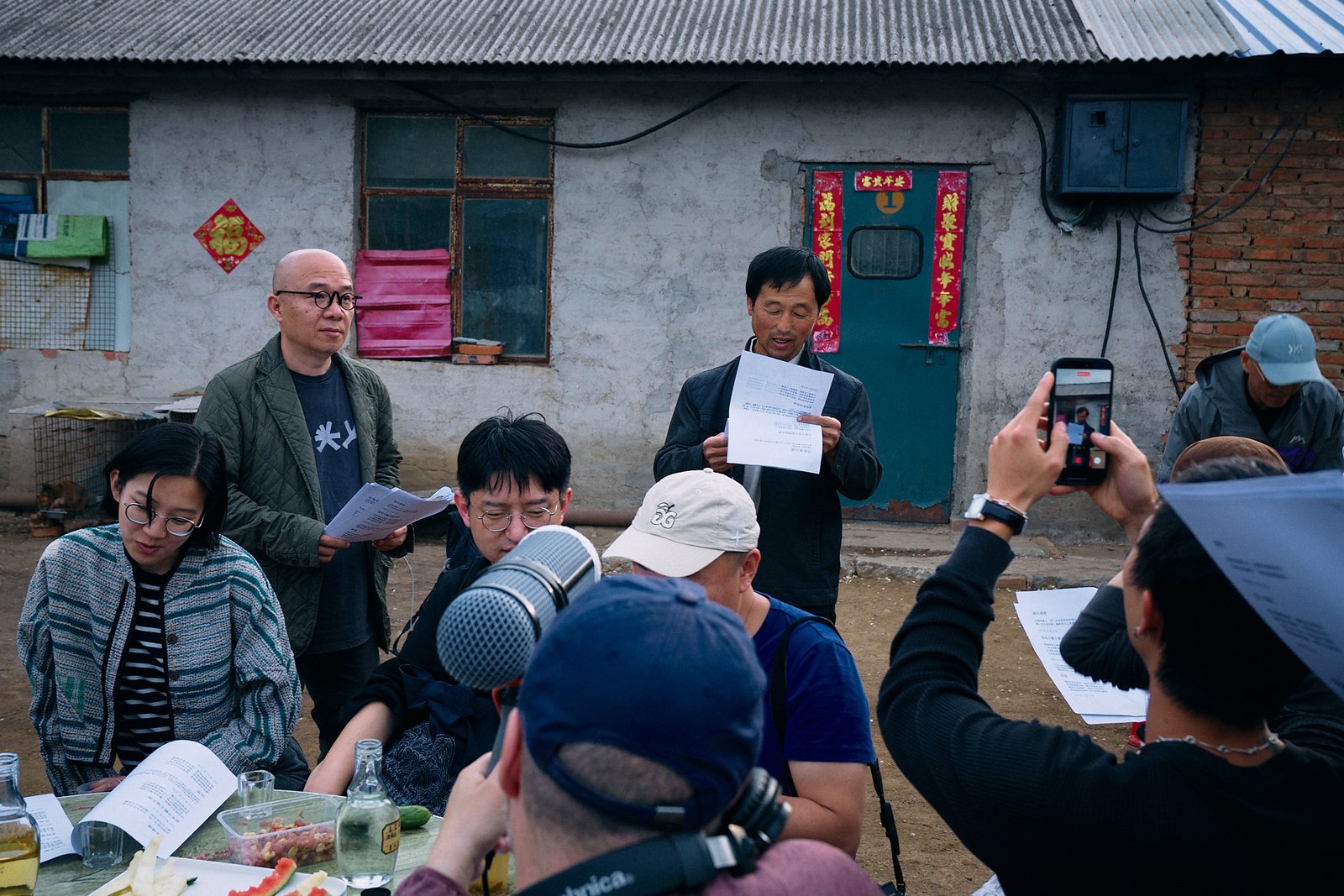
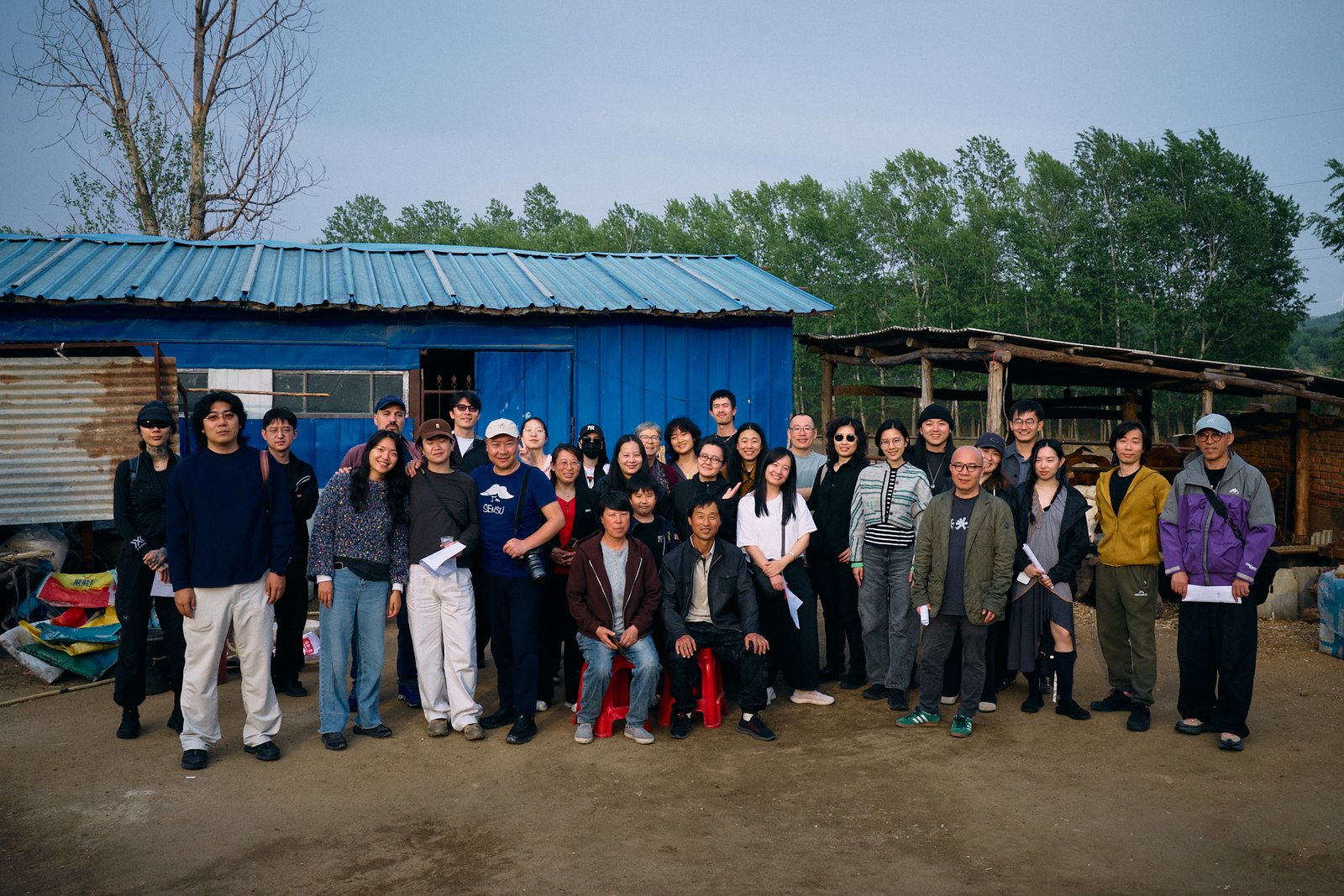
Li Fenggui once studied art together with the artist Liu Chuanhong. He now farms, raises cattle, distills liquor, and writes classical-style poetry in Jingou Village, Hongkeli Town, Yilan County. In a poem titled “Reflections at Forty,” he expresses contentment with the rural life he has chosen:
“Others prize Brother Kong within the square inch;
I follow Magistrate Tao among the fields and gardens.
Forty years beneath stars and frost have become a dream;
I raise my head to the clouds and continue the next chapter.”
This year’s field trip included a special stop in Yilan to visit Li Fenggui’s small family farm. We visited his courtyard, tasted the liquor he distilled, read his poetry together, and took photographs with his cattle, geese, agricultural machinery, and family. This individual form of agrarian life provided a counterpoint to the state-operated industrial farm we were going to visit next in Tongjiang.
May 25, 2026
Field Trip
东北边民
The Hezhen (Nanai) People in Northeast Frontier
Tongjiang Hezhen Museum and Jiejinkou Hezhen Ethnic Township
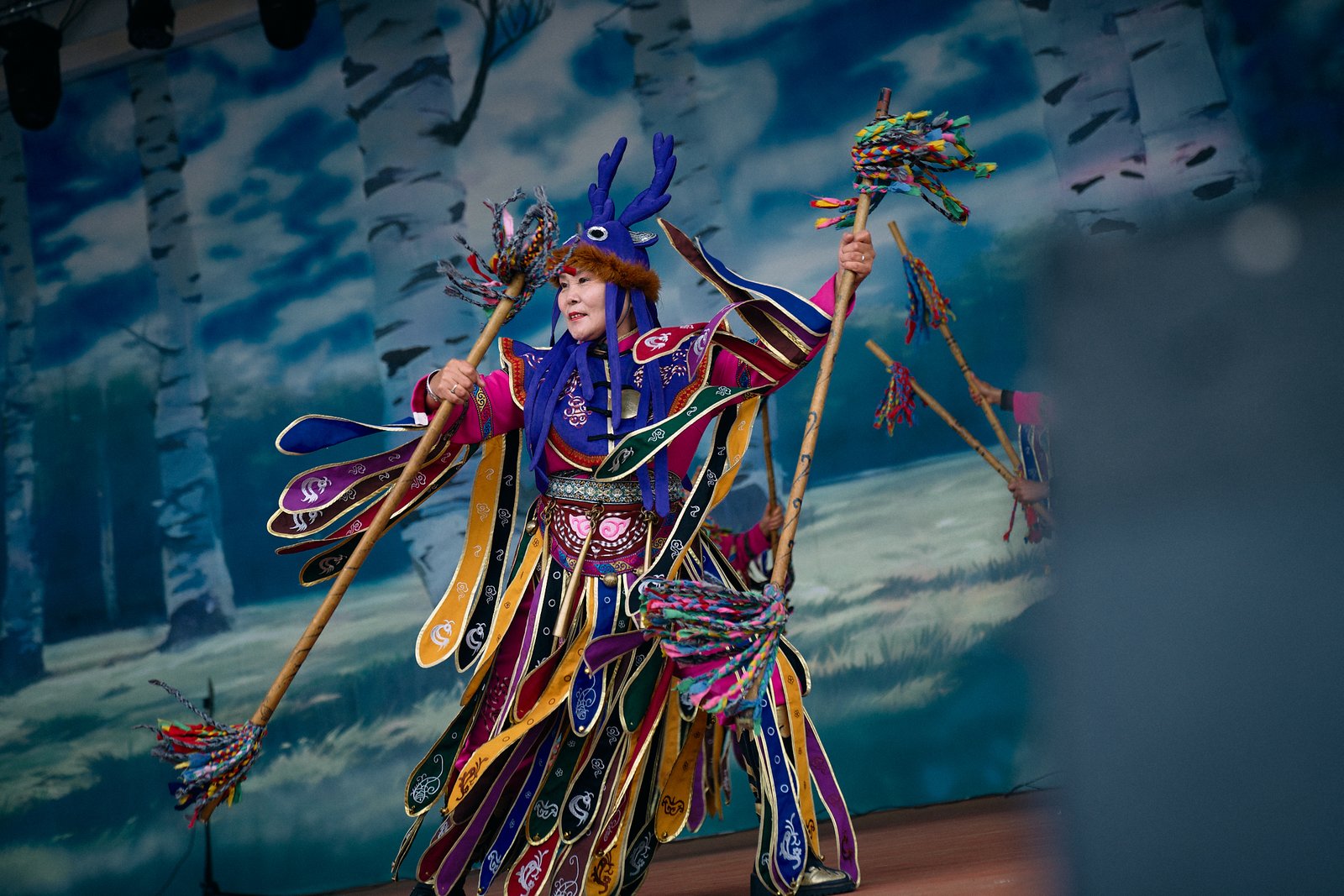
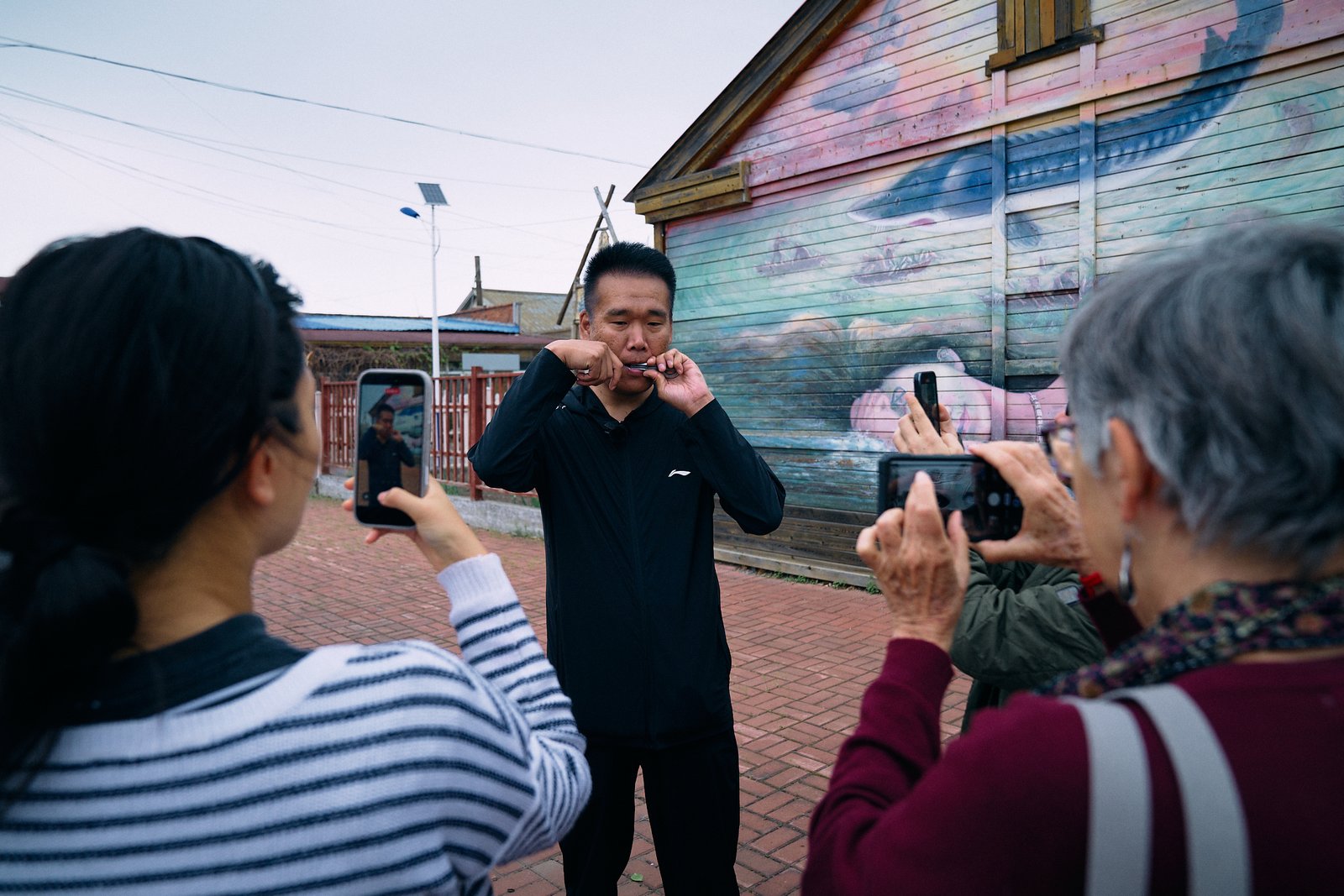
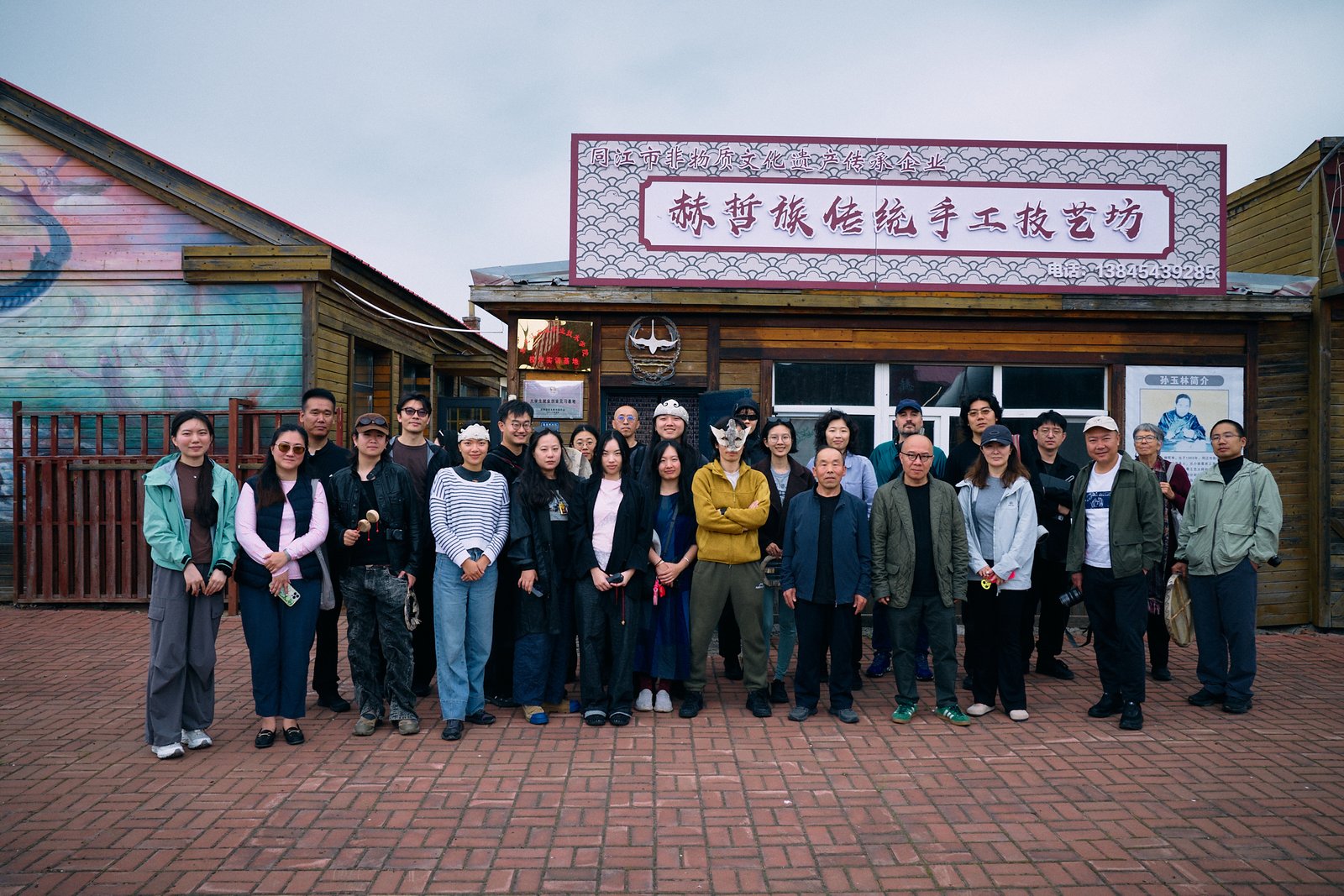
The Hezhen are one of the ancient peoples of Northeast Asia. Their ancestors may be traced back more than six thousand years to the Sushen cultural lineage, which included ancient peoples known as the Sushen, Yilou, and Wuji.
In the modern period, the Hezhen emerged primarily from the Heishui Mohe and developed from the “Wild Jurchen” of the Ming dynasty, entering a formative period during the early Qing dynasty. They have traditionally lived throughout the river basins of the Heilongjiang, Songhua, and Ussuri rivers and depended upon fishing and hunting.
In Heilongjiang, China, they are known as the Hezhe, a term meaning “eastern” or “downstream” that was historically transliterated into Chinese using names such as Heijin and Hezhen. In the Russian Far East, they are known as the Nanai, meaning “local.” Their language belongs to the Hezhen branch of the Southern Tungusic group within the Manchu-Tungusic language family.
The Chinese anthropologist Ling Chunsheng conducted fieldwork among the Hezhen along the Heilongjiang River in 1930 and wrote The Hezhen of the Lower Songhua River (《松花江下游的赫哲族》), a classic work from the formative period of Chinese anthropology. After the book was published in 1934, “Hezhen” became widely used as an ethnic designation within Chinese-language contexts.
The total Hezhen population in China is currently 5,373, according to the 2020 census. They live primarily in Jiejinkou and Bacha in Tongjiang, Sipai in Raohe County, Aoqi in Jiamusi, and Zhuaji in Fuyuan County, all in Heilongjiang Province.
We visited the Hezhen Museum at Sanjiangkou in Tongjiang and traveled to the Hezhen settlement of Jiejinkou, where we met artisans who make Fish-skin Clothes. We also watched performances of Hezhen music known as Jialingkuo and the oral narrative tradition Yimakan and held an in-depth conversation with Qi Yanming, a musician and member of a new generation of Hezhen cultural heritage practitioners.
We recognize that the historical “authenticity” encountered by Ling Chunsheng during his Republican-era fieldwork cannot be reproduced. Yet the performances staged by Hezhen people in the contemporary age of cultural tourism may also be understood as another form of “authenticity”—the authenticity of present reality.
Field Trip
黑土地与大农业
Black Soil and Industrial Agriculture
Qindeli Farm, Tongjiang
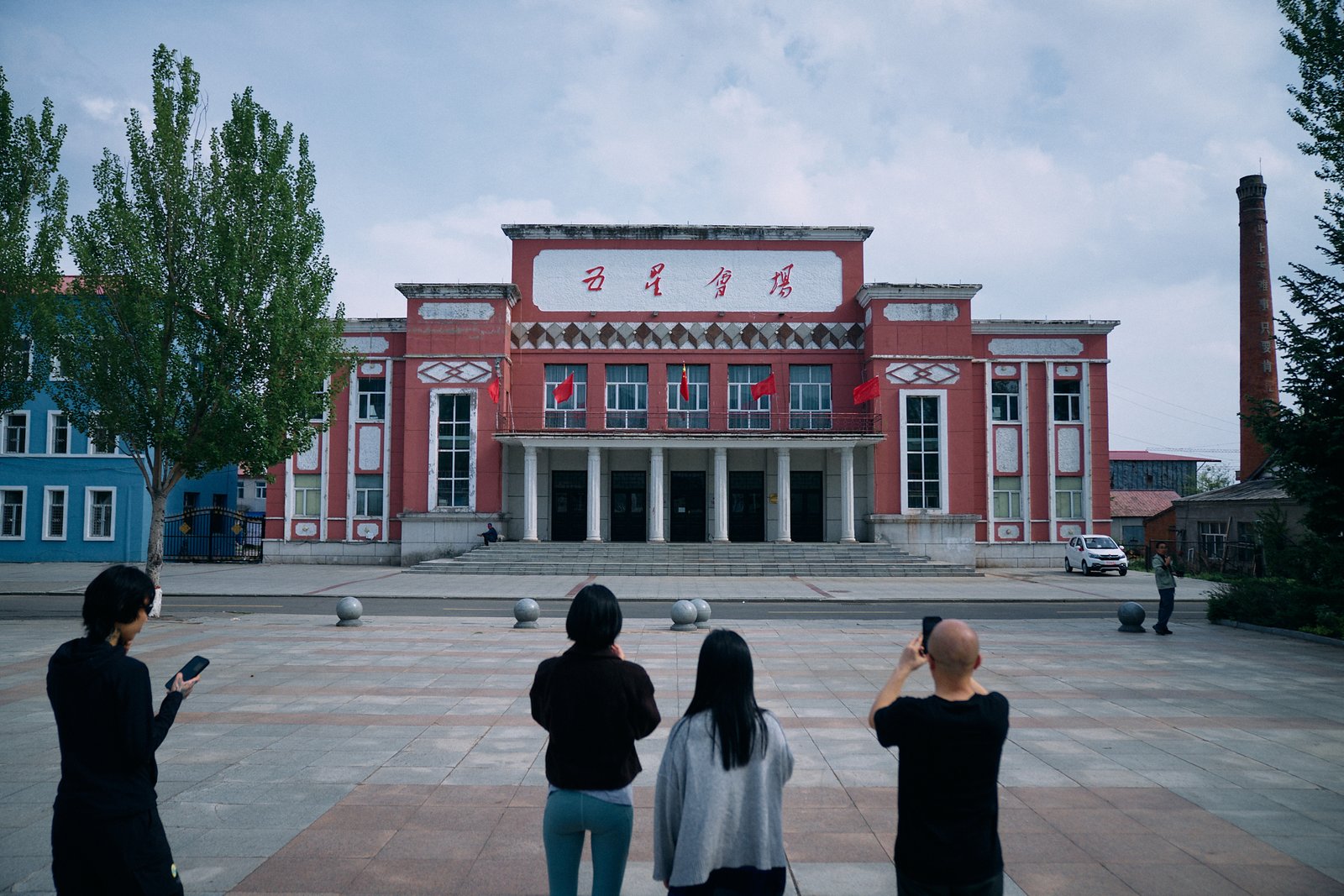
As one of the key sites in the development of the Beidahuang region, Qindeli Farm, located in the northeastern part of the Sanjiang Plain, witnessed the formation and transformation of Northeast China’s agricultural landscape. The vast black soil has shaped agricultural production across the region while also carrying the historical traces of frontier development, migration, and modernization.
During the large-scale reclamation campaigns of the 1950s, thousands of settlers and workers arrived in Beidahuang region to establish farms, irrigation systems, and new forms of agricultural organization. The subsequent adoption of mechanized farming fundamentally transformed traditional cultivation practices, incorporating the landscape into increasingly large-scale and intensive networks of production.
Today, alongside mechanized agriculture, digital technologies, precision farming, and black-soil conservation are once again reshaping the relationship between people and land, revealing an ongoing process through which territory, technology, and production continue to be reorganized..
May 26, 2026
Field Trip
阴性书写,呼兰河
Feminine Writing, Hulan River
Xiao Hong Memorial Hall, Xiao Hong’s Former Residence, and the Hulan River, Hulan District, Harbin
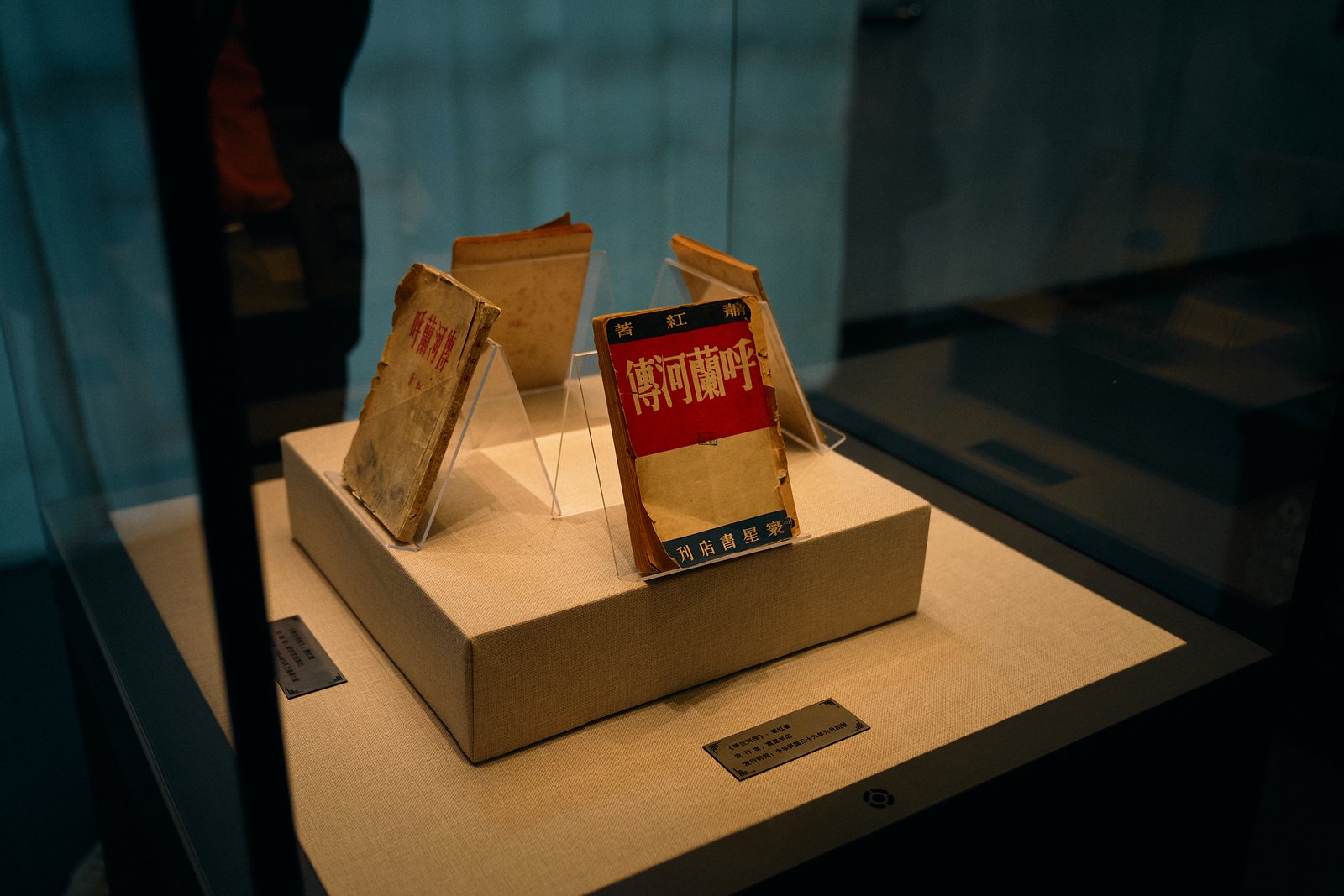
As one of the most important voices in modern Chinese literature, Xiao Hong remains a impactful figure of Northeast China.
Led by Li Jiudan, the story of Xiao Hong’s life gradually unfolded before us while walking through Xiao Hong Memorial Hall, her former residence, and the banks of the Hulan River. From her childhood to years of displacement, poverty, and literary creation, her experiences was deeply shaped by the turbulent social realities of twentieth-century China.
Marked by both economic hardship and the constraints placed upon women of her time, Xiao Hong transformed personal experience into a distinctive literary language. Her writing resonates with concerns that would later be associated with feminine writing: an attention to embodied experience, emotional perception, and perspectives rooted in women’s lived experiences.
Field Trip
韩国独立运动在满洲
Korean Independent Movement in Manchuria
An Jung-geun Memorial Hall, Harbin Railway Station
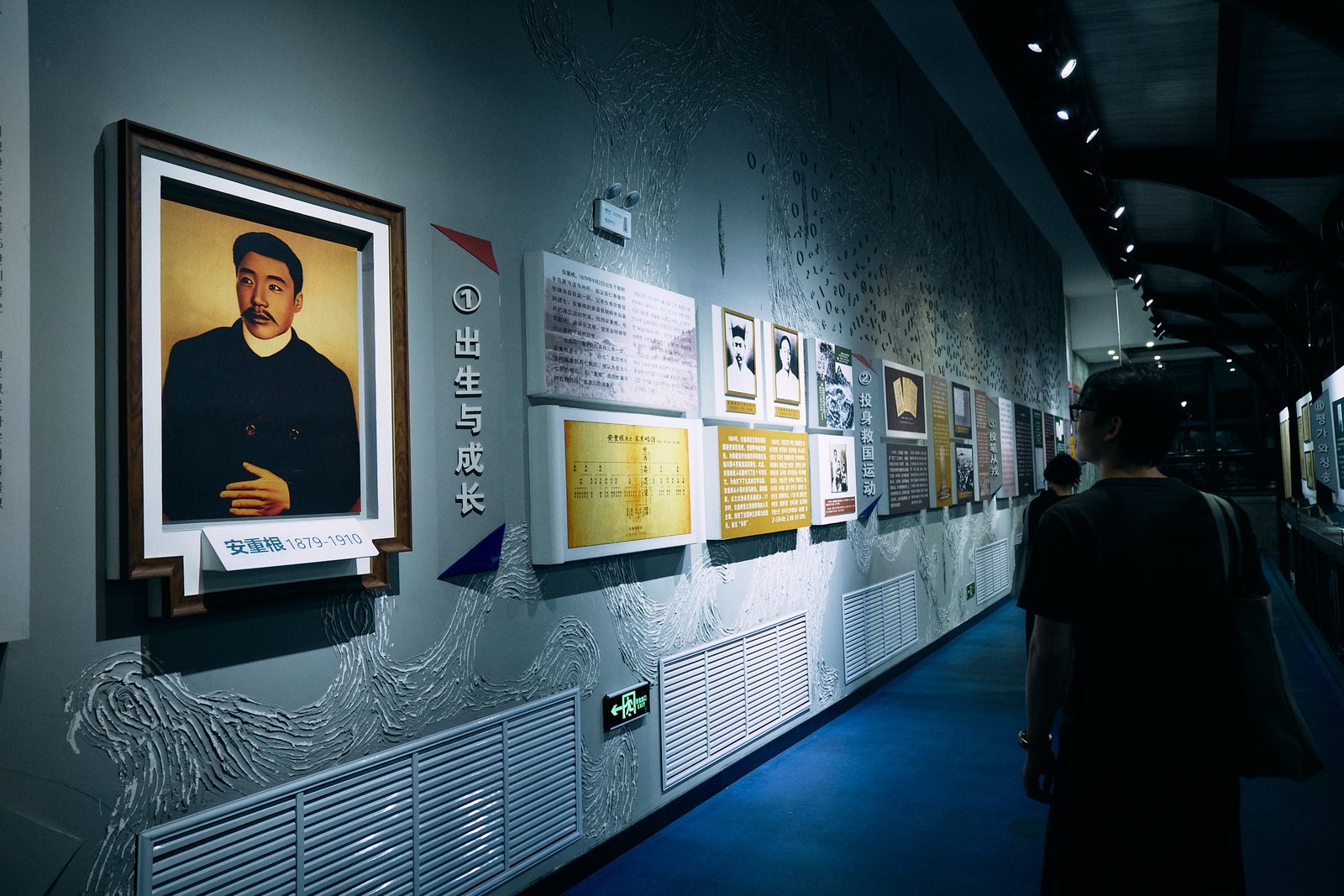
The An Jung-geun Memorial Hall is located inside Harbin Railway Station. It displays extensive historical documents and visual materials reviewing the life of An Jung-geun, 1879–1910, and the political circumstances of his time.
Among the exhibits are reproductions of many examples of calligraphy he produced in prison, which express the lifelong commitments and ambitions he held as a Catholic, Korean nationalist, independence activist, and advocate of peace in East Asia. Twenty-six original works were designated “National Treasures” by the South Korean government in 1972. Each bears the imprint of his severed finger, symbolizing his oath to devote himself to the Korean independence movement.
Following the signing of the Eulsa Treaty in 1905, Japan gradually tightened its control over the Korean Peninsula, and An Jung-geun became increasingly involved in anti-Japanese national salvation activities. On October 26, 1909, he assassinated Itō Hirobumi, the former Japanese Resident-General of Korea, at Harbin Railway Station in protest against Japanese colonial expansion on the Korean Peninsula. The following year, An Jung-geun was executed at Lüshun Prison at the age of thirty-one.
As an emblematic figure in the modern history of East Asia, An Jung-geun is widely regarded as a pioneer of the national independence movement. His actions became an important part of the modern history of Korean nationalism and continue to shape discussions across Northeast Asia concerning colonial history, national independence, and regional relations.
Presentation and Discussion
冬之意志,城市漫游者和民生路穷举
The Will of Winter, The Urban Flâneur, and Everything of Minsheng Road
Speakers: Ma Chi, Jin Dongxuan, and Li Jiudan
Wayfarer Parlor, Harbin
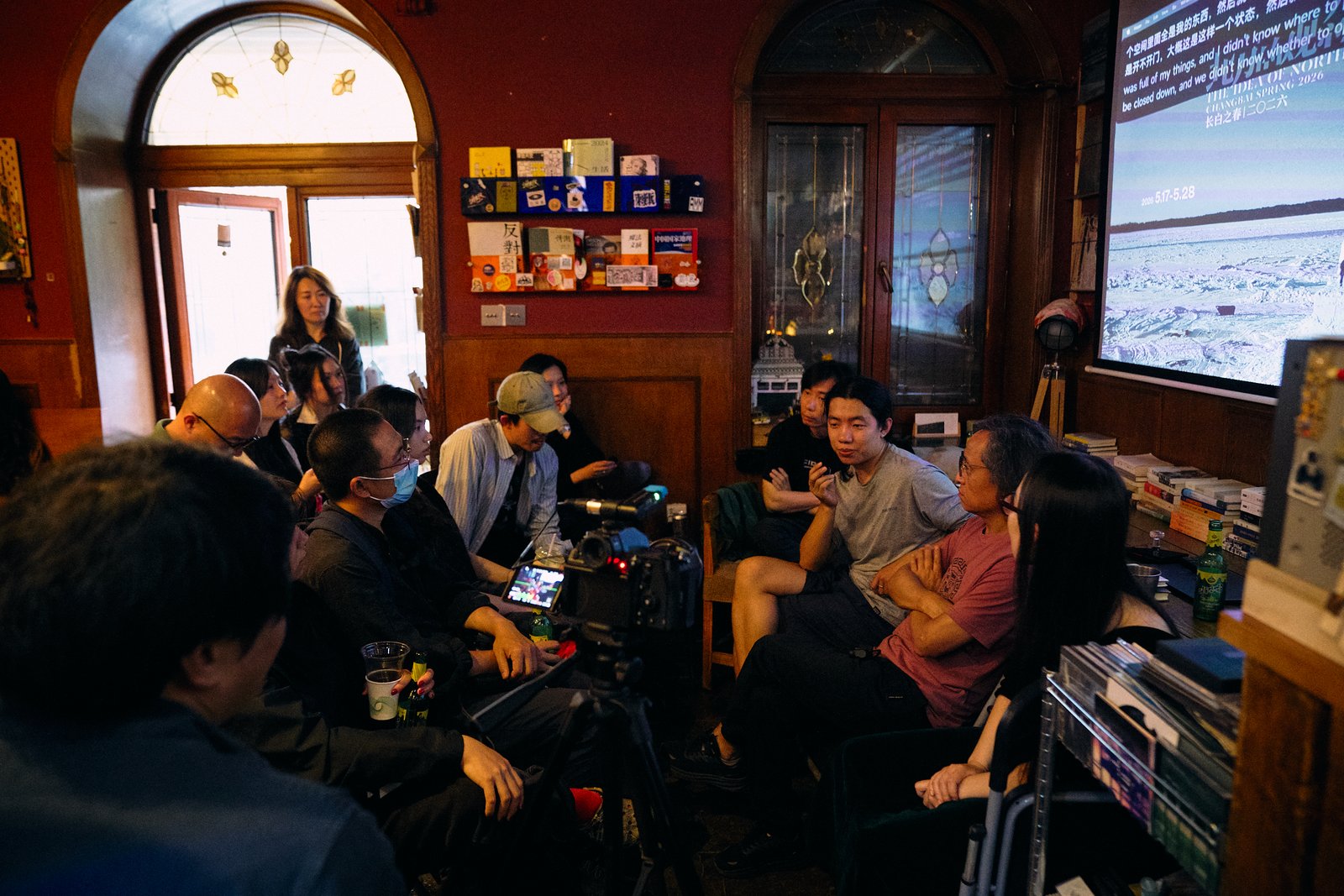
“Narratives capable of changing and opening up the world are not arbitrarily created by an individual. They emerge through complex processes involving different forces and participants. Such narratives are ultimately expressions of the atmosphere of an era, and they contain an intrinsic moment of truth.” While describing how an informal community that had formed organically and remained loosely connected over the previous decade eventually gave rise to a shared space, Li Jiudan quoted this passage from Byung-Chul Han’s The Crisis of Narration.
At the Wayfarer Parlor, Li Jiudan, Ma Chi, and Jin Dongxuan shared projects, experiences, and stories that have fruited from their lives in Harbin.
Through an exhaustive process of documentation, Ma Chi has amassed a vast archive of images centered on Minsheng Road in Harbin. Printed on thermal paper, these records take the form of a fragile archive of historical memory, which may fade and disappear at any moment. Documentary filmmaker and Ice Breaking Society member Jin Dongxuan shared his decades of observations of Harbin, tracing the city’s transformations through his camera. Reflecting on her own experiences and feelings, Li Jiudan recounted the story of a collective living experiment that began ten years ago, the many encounters and farewells that grew from it, and how those experiences gradually evolved into what Wayfarer Parlor is today.
How do we fully imagine the winter in the North? Through their personal experiences, Ma Chi, Jin Dongxuan, and Li Jiudan offered a glimpse into the lives and psychological landscapes of people living in Harbin, Northeast China, and the broader North. Their stories spoke of emotions shaped by loss, isolation, and accumulated wounds, but also of a resilient will that continues to endure beneath the frozen surface of winter.
May 27, 2026
Field Trip
一九三零年代哈尔滨城市文学轨迹漫步
Spring on the Branches: A Walk through the 1930s Literary Landscape in Harbin
Led by Liu Yu
Harbin
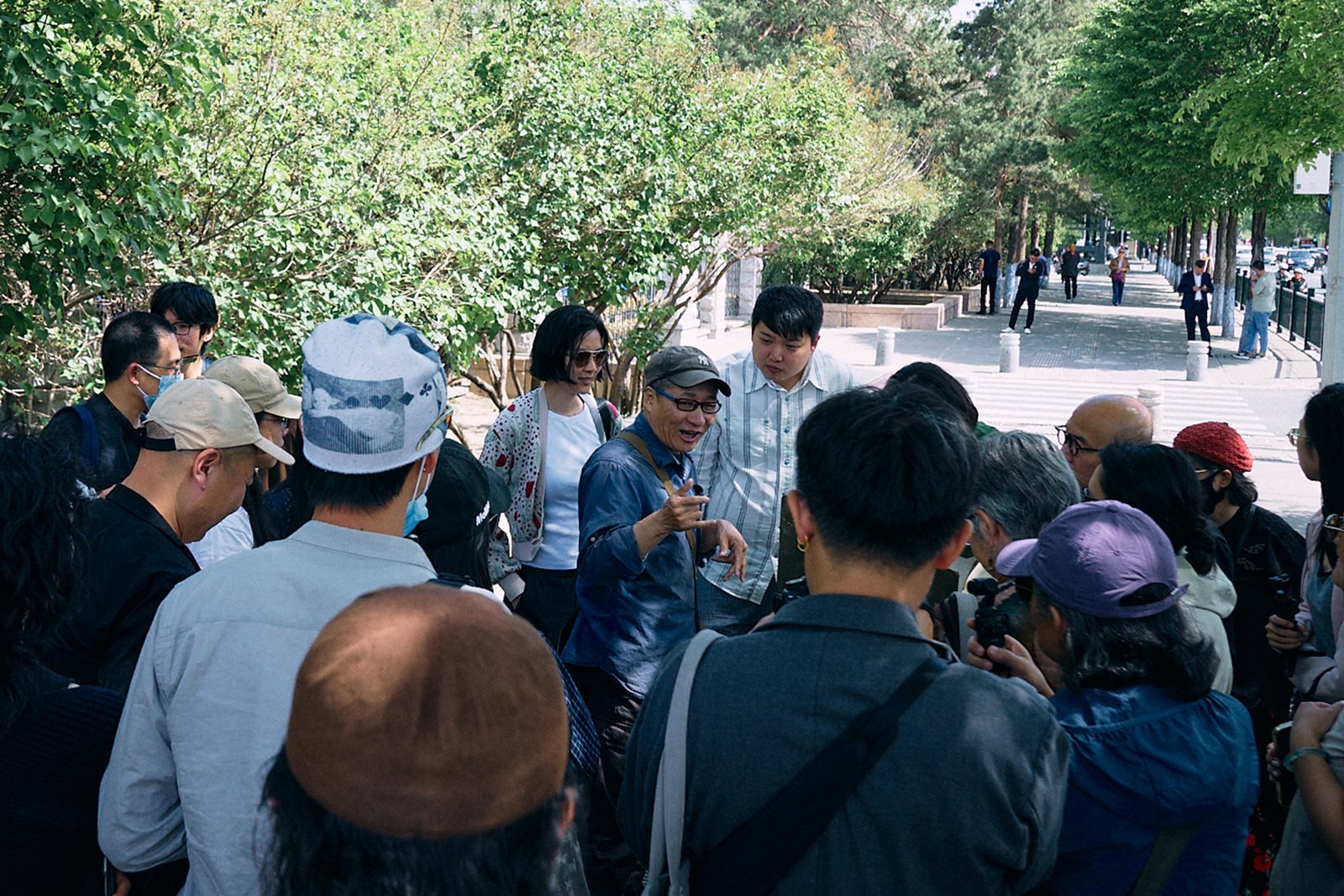
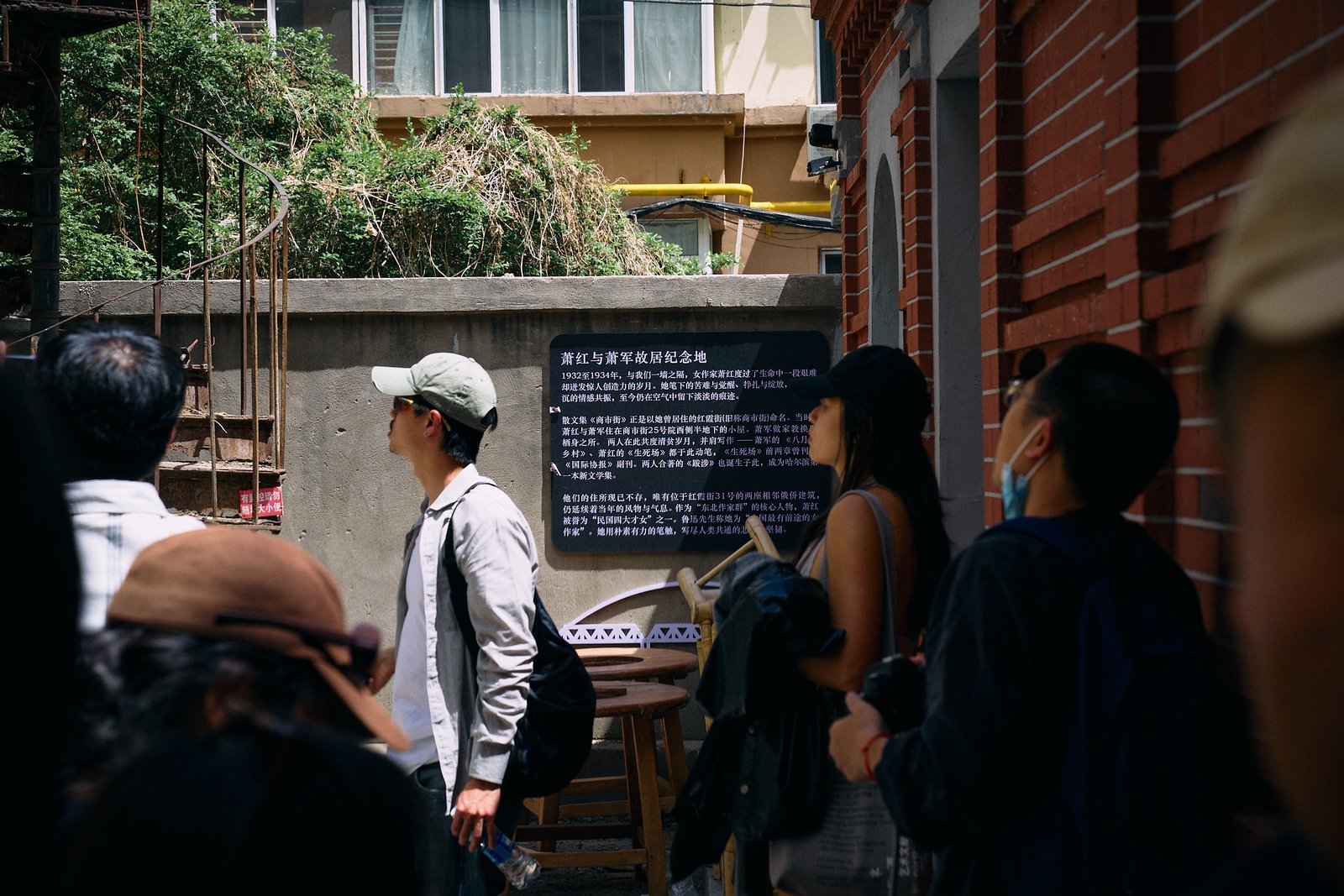
Following the traces of Xiao Hong’s life and activities, we explored Harbin’s literary landscape of the 1930s.
Although the city’s physical and cultural landscape has changed profoundly since the time when Xiao Hong lived in Harbin, surviving architectural landmarks continue to bear witness to the city’s layered history. Qianniu Fang, Tianma Advertising Agency, Zhaolin Park (formerly Municipal Park), the Railway Bridge…these places depicted in Xiao Hong’s essay collection Market Street (Shangshi Jie) brought us back nearly a century in time, continuing to tell the stories and lived experiences preserved in her writing.
结营
Conclusion
Wayfarer Parlor, Harbin
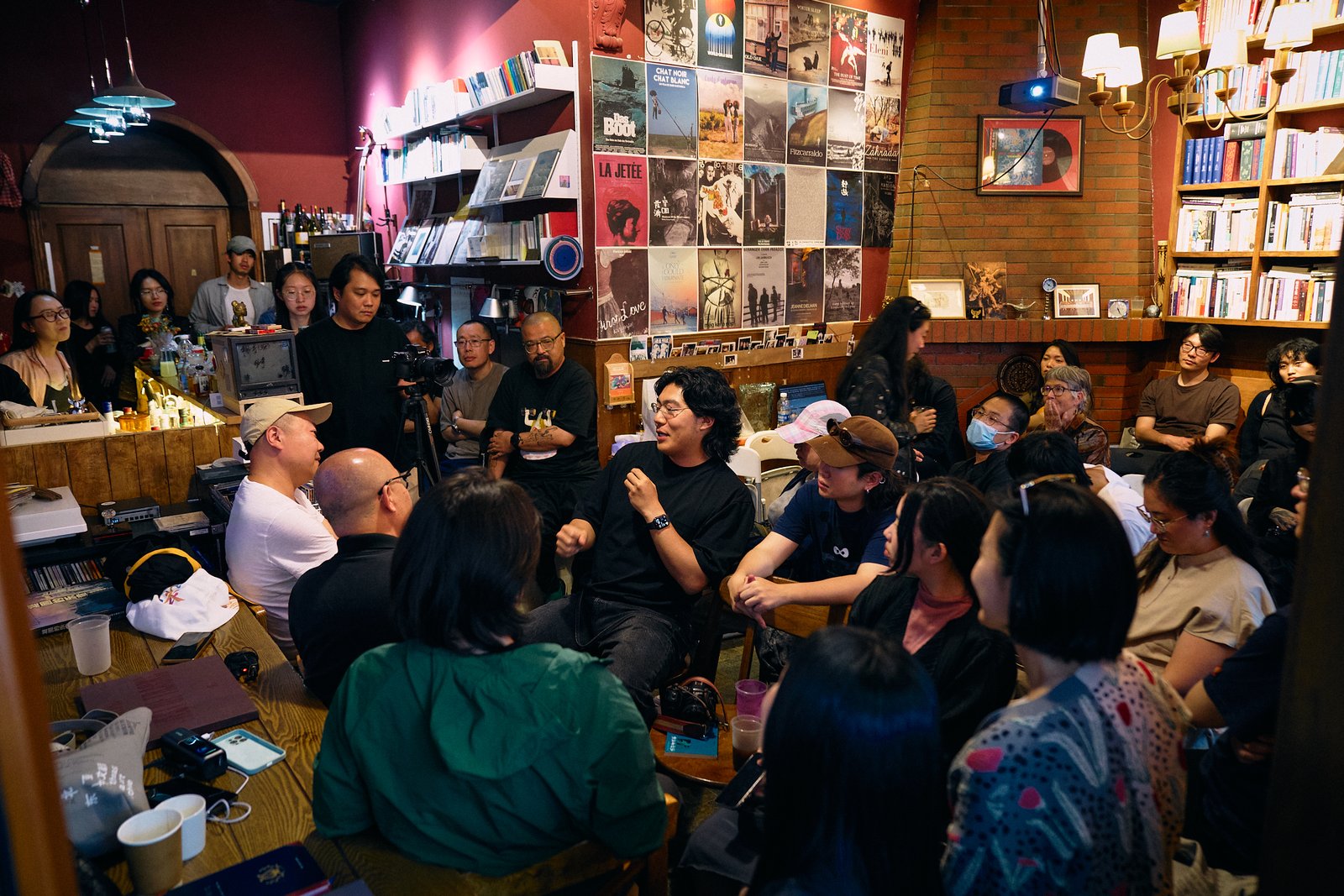
The final session of Changbai Spring 2026 brought all participants back together at the Wayfarer Parlor to share their experiences, observations, and reflections that had emerged throughout the residency.
Drawing on their personal connections to Northeast China, participants from diverse research interests and creative practices shared how they had engaged the region during the program. Through exchanges across history, art, and ethnography, the program sessions opened up new ways of understanding the complexities of Northeast Asia’s cultural traces, realities, and lived experiences.
Participants also reflected on the inspirations that the program offered for their future projects, as well as critical questions and new ideas of the North that arose along the way. While the journey has come to an end, the conversations it sparked around regional narratives, identity, memory, marginal experiences, and knowledge production will continue to unfold through future discourse, research, and artistic practice.
鸣谢
Acknowledgments
Northeast Asia Art Archive sincerely thanks all participants for their commitment to research and their intellectual contributions; Lucas Yang for photographic documentation and Peng Wenbiao for video documentation, creating a comprehensive visual archive of the research residency program; Xiaoma and Chengzi for designing the logotype, poster, and program brochure for “The Idea of North;” Jilin University of Arts and Wayfarer Parlor for their collaboration; as well as the NAAA team for their dedicated hard work.