This updated bibliography builds upon the original “Changbai Spring 2025: de/re-territorialization” list, incorporating topics from the field trips and seminars of “Changbai Spring 2026: The Idea of North“.
Territory/Geography/Travelogues
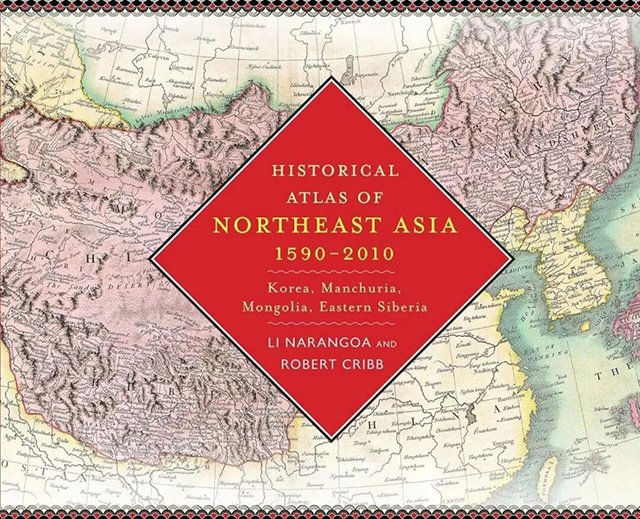
Li Narangoa and Robert Cribb, Historical Atlas of Northeast Asia, 1590-2010: Korea, Manchuria, Mongolia, Eastern Siberia (Columbia University Press, 2014)
This atlas tracks the political configuration of Northeast Asia in ten-year segments from 1590 to 1890, in five-year segments from 1890 to 1960, and in ten-year segments from 1960 to 2010, delineating the distinct history and importance of the region. The text follows the rise and fall of the Qing dynasty in China, founded by the semi-nomadic Manchus; the Russian colonization of Siberia; the growth of Japanese influence; the movements of peoples, armies, and borders; and political, social, and economic developments―reflecting the turbulence of the land that was once the world’s “cradle of conflict.” Compiled from detailed research in English, Chinese, Japanese, French, Dutch, German, Mongolian, and Russian sources, the Historical Atlas of Northeast Asia incorporates information made public with the fall of the Soviet Union and includes fifty-five specially drawn maps, as well as twenty historical maps contrasting local and outsider perspectives. Four introductory maps survey the region’s diverse topography, climate, vegetation, and ethnicity.
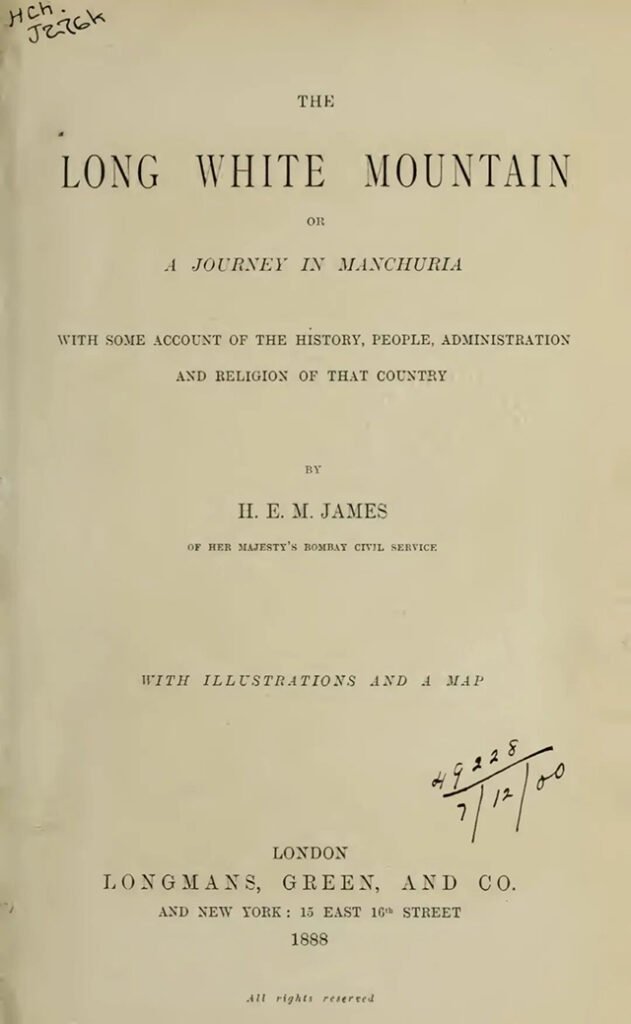
Henry Evan Murchison James, The Long White Mountain; or, a journey in Manchuria … with illustrations and a map (Longmans, Green, and Co., 1888)
This is the earliest travelogue on Mount Changbai and Manchuria written in English. The author, Henry Evan Murchison James, was a British civil servant in the Indian Civil Service. The book chronicles his journey through Manchuria between 1886 and 1887, at a time when the region was still largely unknown. The book opens with an overview of Manchuria and its geography, followed by an in-depth exploration of its historical development—including the Manchu conquest of the region and its subsequent formal incorporation into the Qing Empire. The author then describes the natural scenery, local customs, and cultural traditions encountered along the way. Furthermore, the author offers unique insights into Manchuria’s administrative system, analyzing the role of the Qing imperial government in the region at the time, as well as the influence exerted by the great powers. The book also explores religious beliefs in Manchuria, noting the unique fusion of Buddhism, Taoism, and Confucianism. More than a century later, the book’s detailed historical records remain an important reference source for Northeast Asian studies.
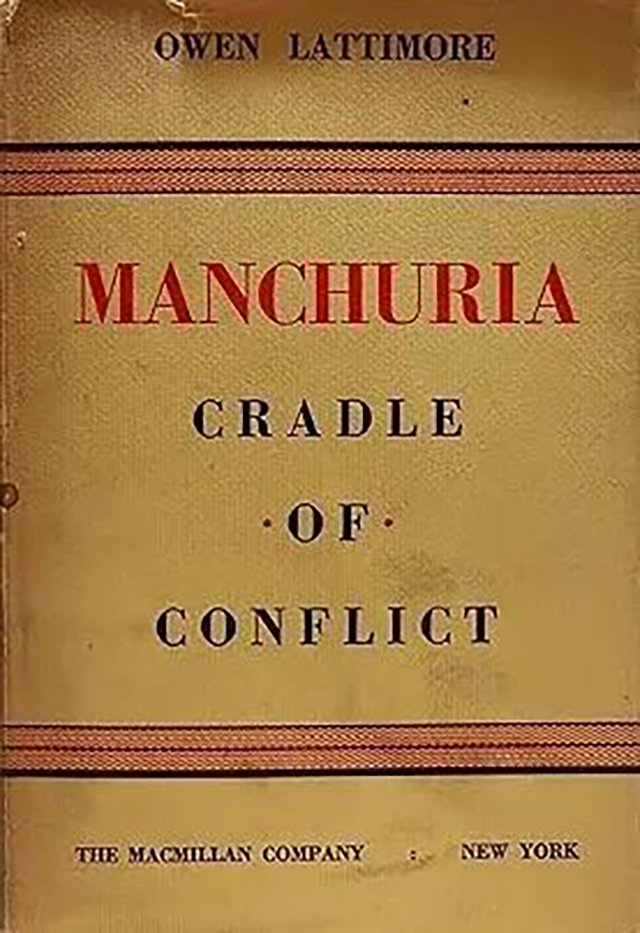
Owen Lattimore, Manchuria: Cradle of Conflict (Macmillan, 1932)
First published in 1932, at the moment when Manchukuo had become an international controversy, Manchuria: Cradle of Conflict quickly became a widely read work in the English-speaking world. Based on Lattimore’s nine months of travel and residence in Manchuria during 1929–1930, the book analyzes Chinese migration into the region and the resulting transformation of its ethnic and cultural composition.
Lattimore interprets Manchuria as a frontier zone where nomadic and agrarian civilizations, old empires and modern expansionist powers converged. In the rivalry among China, Russia, and Japan, Manchuria became the cradle of prolonged instability and conflict.
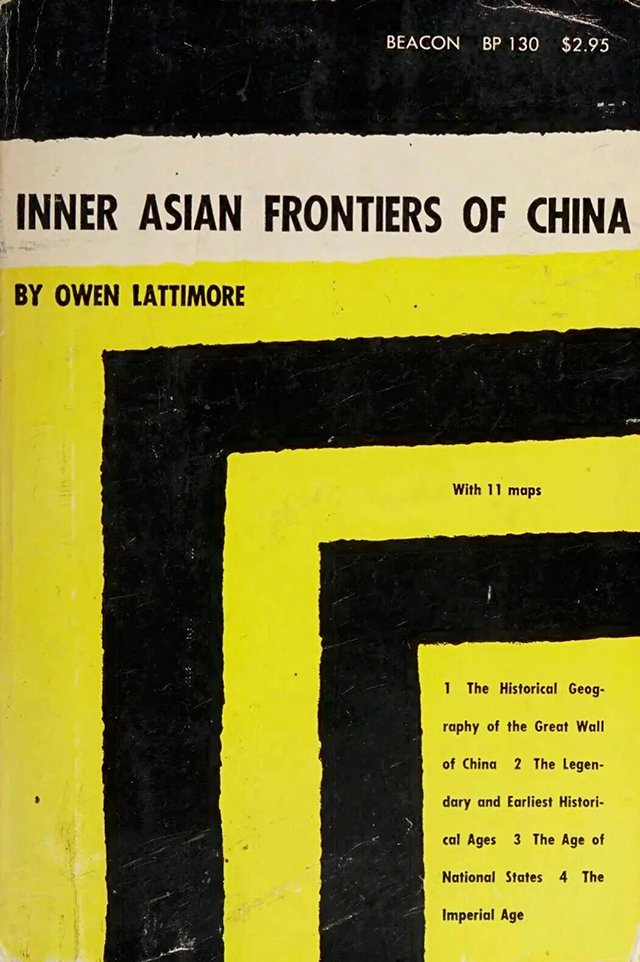
Owen Lattimore, Inner Asian Frontiers of China (American Geographical Society,1940;Beacon Press, 1962)
Widely regarded as Lattimore’s best-known work, Inner Asian Frontiers of China offers a major study of China’s northern and western borderlands. Treating Manchuria, Inner Mongolia, Xinjiang, and Tibet as an interconnected Inner Asian frontier zone, the book examines their relationship with China proper through ecology, ethnicity, modes of production, and historical change.
Lattimore’s central insight is that regions considered peripheral from the perspective of agrarian China may in fact constitute a strategic center within the wider Eurasian interior.
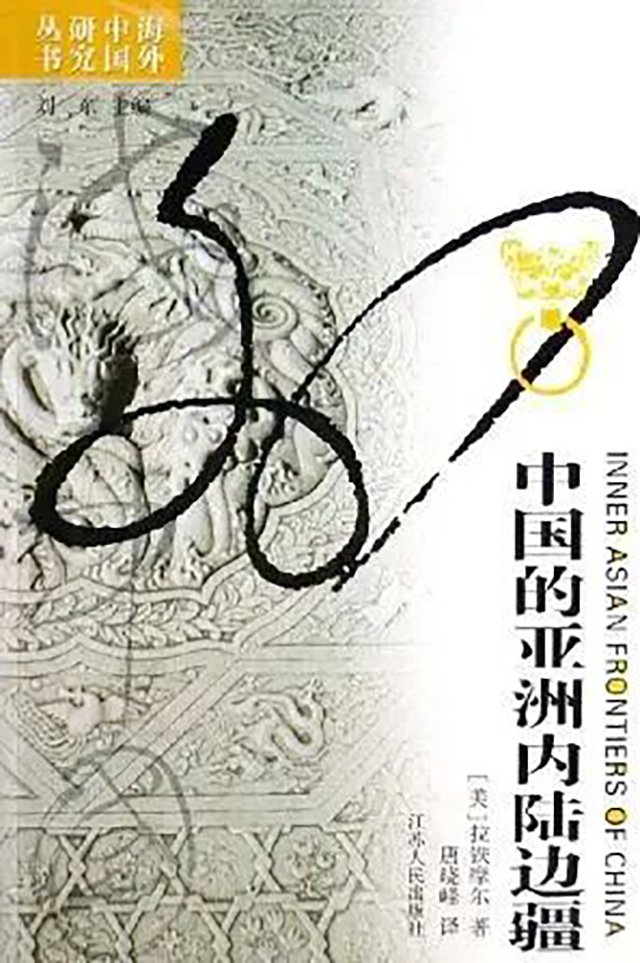
拉铁摩尔,《中国的亚洲内陆边疆》(江苏人民出版社,2005)
Widely regarded as Lattimore’s best-known work, Inner Asian Frontiers of China offers a major study of China’s northern and western borderlands. Treating Manchuria, Inner Mongolia, Xinjiang, and Tibet as an interconnected Inner Asian frontier zone, the book examines their relationship with China proper through ecology, ethnicity, modes of production, and historical change.
Lattimore’s central insight is that regions considered peripheral from the perspective of agrarian China may in fact constitute a strategic center within the wider Eurasian interior.
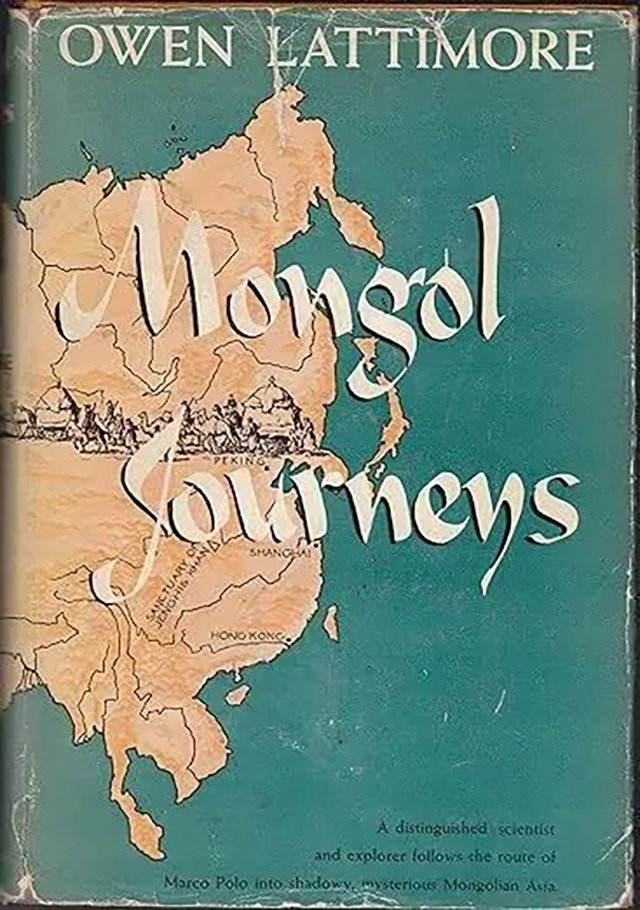
Owen Lattimore, Mongol Journeys (Doubleday, Doran & Company, 1941)
This work documents Lattimore’s explorations and observations during his travels deep into Inner Mongolia and the surrounding border regions in the 1930s. At a time of frequent warfare and a turning point when traditional nomadic life was undergoing transformation, he provided a detailed account of daily life, historical traditions, and geopolitical pressures in Mongolian society from the perspective of an eyewitness. Lattimore’s fluency in Mongolian, Chinese, and Russian allowed him to transcend the detached perspective of an “outsider,” enabling him to engage deeply with Mongol herders, merchants, and lamas—so much so that locals praised him for “capturing the true essence of the Mongolian people.” He documented his journey to Genghis Khan’s mausoleum and the rituals performed there, revealing the conqueror’s enduring status as an indomitable national totem within Mongolian culture. He also examined the operations of camel caravans, capturing the moment when this traditional mode of transportation was on the verge of being supplanted by modern railways. Furthermore, he keenly observed Japan’s infiltration of Inner Mongolia, the Soviet Union’s influence on Outer Mongolia, and the delicate dynamics of Sino-Mongolian relations. Although the book was not published until 1941, Lattimore’s travels in Mongolia preceded his travels in Manchuria. It was precisely his Mongolian journey that made Lattimore realize the importance of Northeast Asia, leading to his subsequent series of writings on the frontier.
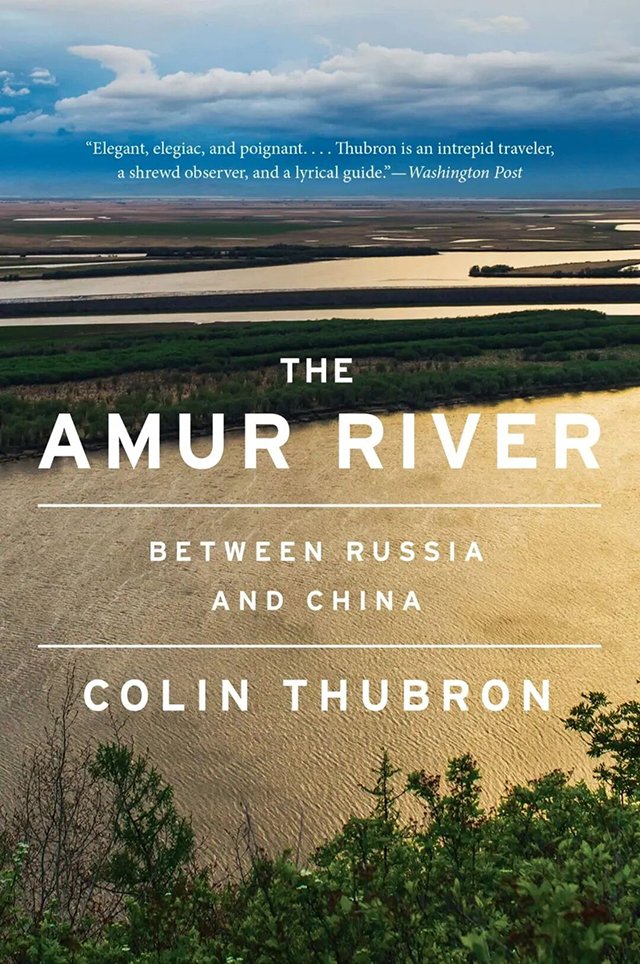
Colin Thubron, The Amur River: Between Russia and China (Chatto & Windus, 2021)
柯林·施伯龍,《阿穆爾河: 一條往返中國與俄羅斯的河流, 集結不同命運與文化之地》(馬可孛羅,2024)
The Amur river offers journalist Dominic Ziegler a lens with which to examine the societies at Europe’s only borderland with east Asia. He follows a journey from the river’s top to bottom, and weaves the history, ecology and peoples to show a region obsessed with the past—and to show how this region holds a key to the complex and critical relationship between Russia and China today.
The long shared history on the Amur has conditioned the way China and Russia behave toward each other—and toward the outside world. To understand Putin’s imperial dreams, we must comprehend Russia’s relationship to its far east and how it still shapes the Russian mind. Amur a key to Putinism.
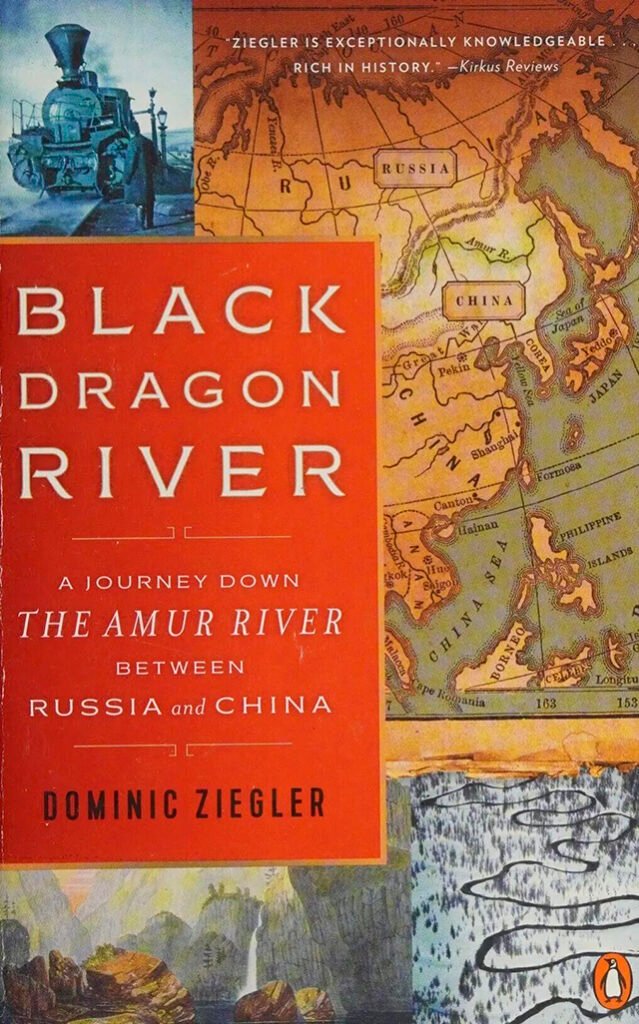
Dominic Ziegler, Black Dragon River: A Journey Down the Amur River Between Russia and China (Penguin Books, 2016)
多米尼克•齐格勒,《黑龍江:尋訪帝王、戰士、探險家的歷史足跡,遊走東亞帝國邊界的神祕之河》(聯經,2018)
The Amur river (Heilongjiang) offers journalist Dominic Ziegler a lens with which to examine the societies at Europe’s only borderland with east Asia. He follows a journey from the river’s top to bottom, and weaves the history, ecology and peoples to show a region obsessed with the past—and to show how this region holds a key to the complex and critical relationship between Russia and China today.
The long shared history on the Amur has conditioned the way China and Russia behave toward each other—and toward the outside world. To understand Putin’s imperial dreams, we must comprehend Russia’s relationship to its far east and how it still shapes the Russian mind. Amur a key to Putinism.
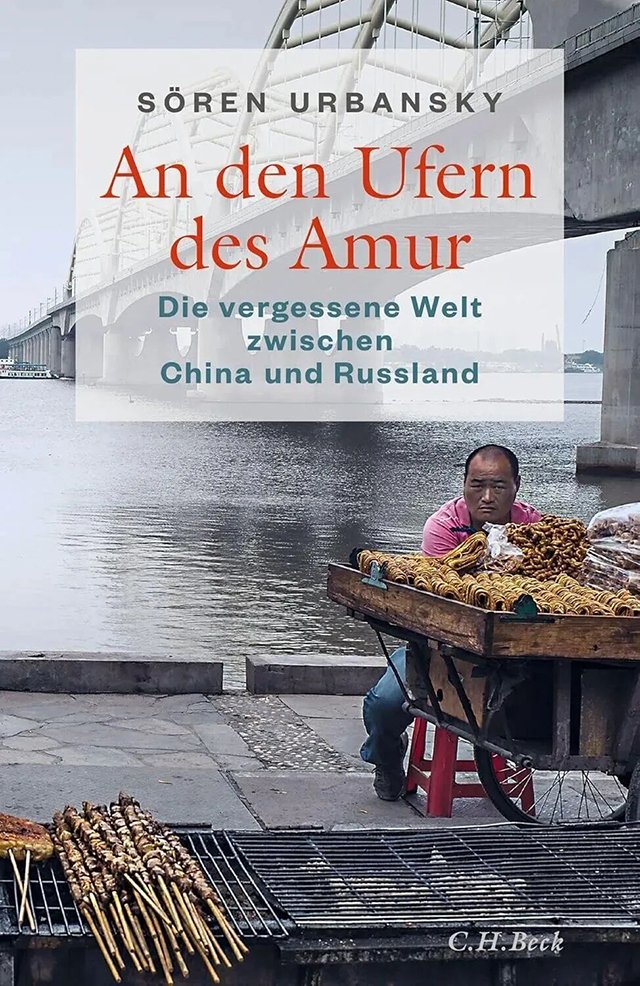
Sören Urbansky, An den Ufern des Amur: Die vergessene Welt zwischen China und Russland (C.H. Beck, 2021)
吴若痕, 《中俄邊境大河黑龍江: 被世界忽略的地緣政治與文化糾葛》 (商周出版, 2024)
The author of this book, Wu Ruohen (Sören Urbansky), studied at universities in Frankfurt, Harbin, Kazan, Berkeley, and Beijing. In this book, he chronicles his observations, experiences, and reflections from his journey along the Heilongjiang River basin, bearing witness to the contrast between the bustling metropolis on the south bank and the stagnant development on the north bank—a shift from prosperity to decline that unfolded over the span of just a century. He set out with his backpack, traveling through Irkutsk—the “Paris of Siberia”—Lake Baikal, Ulan-Ude—the railway hub of the Eurasian continent—Ulaanbaatar, where yurts and skyscrapers coexist, Harbin—the “Moscow of the East”—and Vladivostok, the dreamt-of “San Francisco of Russia”; He stayed as a guest in ordinary homes, listening to people converse fluently in both Chinese and Russian, watching them eat Russian borscht with chopsticks, paying his respects at the battlefields of the Mongolian steppe, and experiencing the Moscow-like atmosphere of Harbin’s Central Street… Through his writing, readers are transported to these places, experiencing the realities of life in the borderlands, where the extraordinary circumstances reflect the dynamics of relations shaped by the power struggles of great nations.
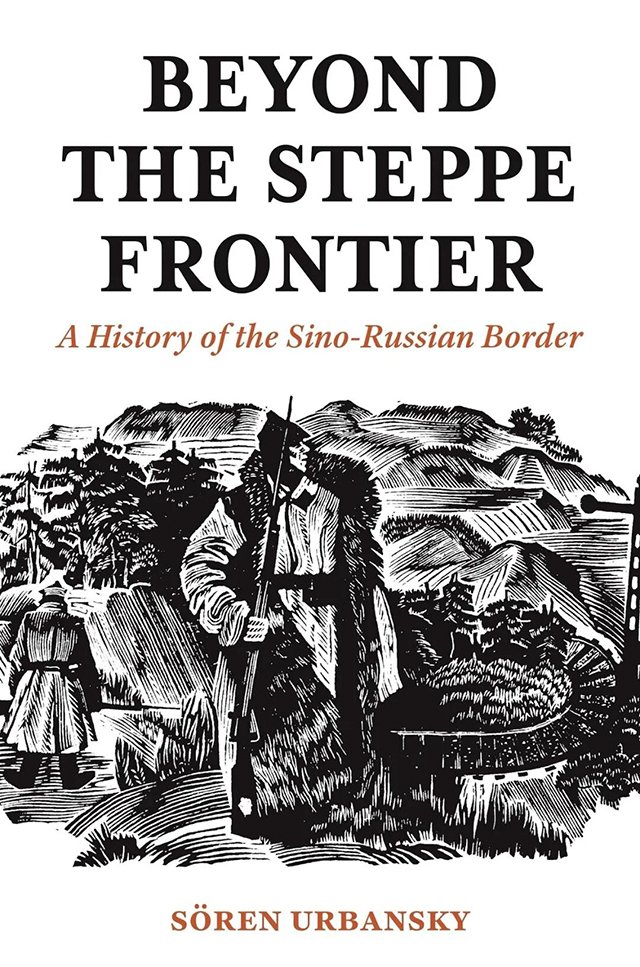
Sören Urbansky, Beyond the Steppe Frontier: A History of the Sino-Russian Border (Princeton University Press, 2020)
A comprehensive history of the Sino-Russian border―from a vaguely marked frontier in the seventeenth century to its twentieth-century incarnation as a tightly patrolled barrier girded by watchtowers, barbed wire, and border guards. Through the perspectives of locals, including railroad employees, herdsmen, and smugglers from both sides, Sören Urbansky explores the daily life of communities and their entanglements with transnational and global flows of people, commodities, and ideas.
Relying on a wealth of sources culled from little-known archives from across Eurasia, Urbansky demonstrates how states succeeded in suppressing traditional borderland cultures by cutting kin, cultural, economic, and religious connections across the state perimeter, through laws, physical force, deportation, reeducation, forced assimilation, and propaganda.
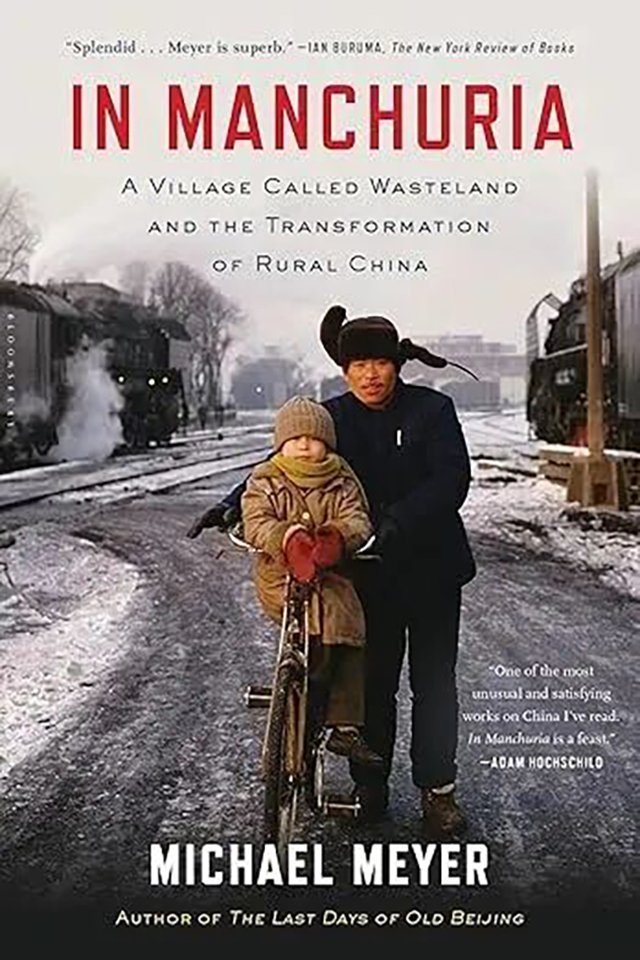
Michael Meyer, In Manchuria: A Village Called Wasteland and the Transformation of Rural China (Bloomsbury Press, 2016)
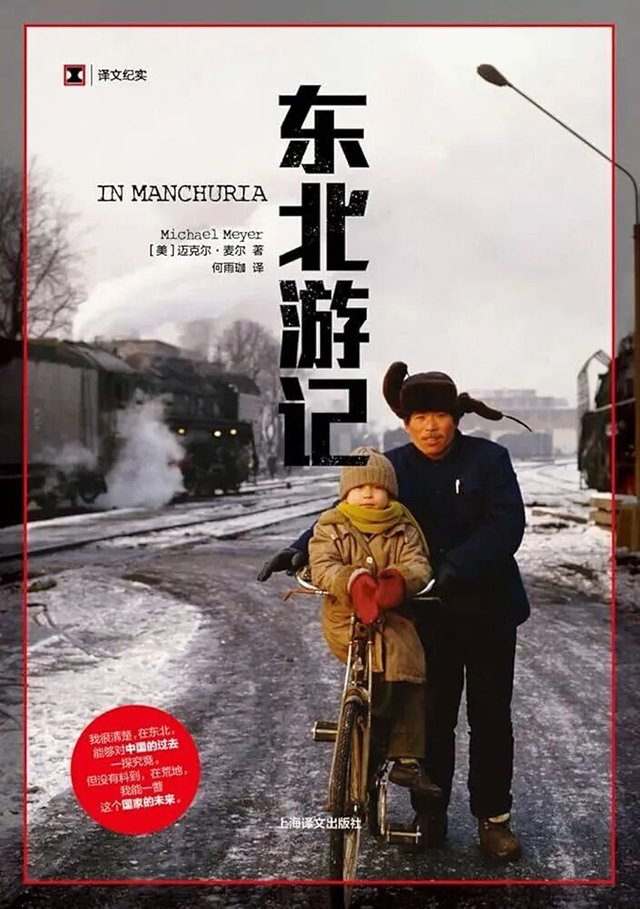
迈克尔·麦尔,《东北游记》(上海译文出版社,2017)
In Manchuria is a scintillating combination of memoir, contemporary reporting, and historical research, presenting a unique profile of China’s legendary northeast territory. For three years Meyer rented a home in the rice-farming community of Wasteland, hometown of his wife’s family, and their personal saga mirrors the tremendous change most of rural China is undergoing. Amplifying the story of family and Wasteland, Meyer takes us on a journey across Manchuria’s past, a history that explains much about contemporary China, from the fall of the last emperor to Japanese occupation and Communist victory. Through vivid local characters, Meyer illuminates a rich and original chronicle of contemporary China and its people.
Indigenous Peoples/Ethnography
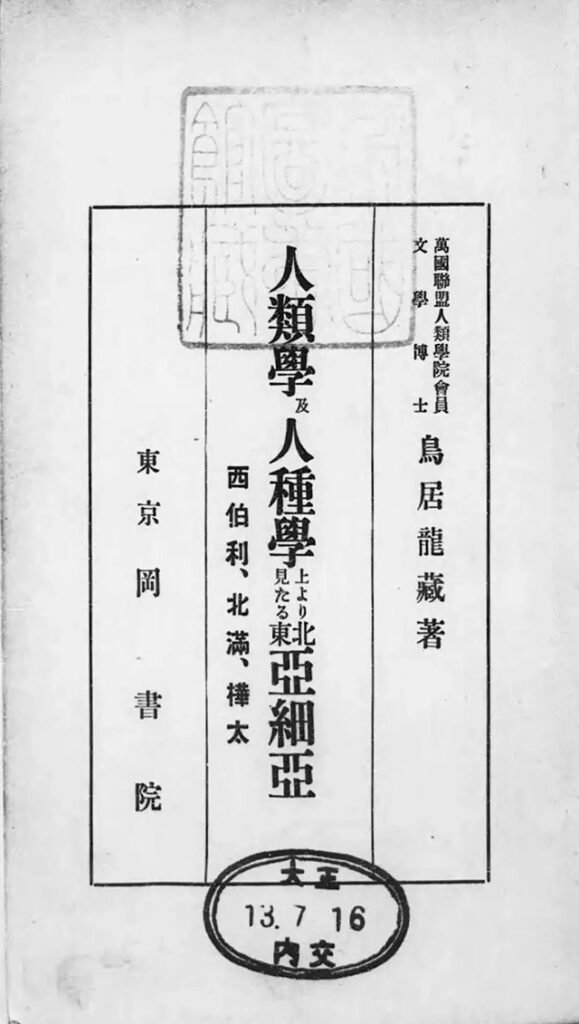
鳥居龍蔵,『人類学及人種学上より見たる北東亜細亜』(岡書院,1924)
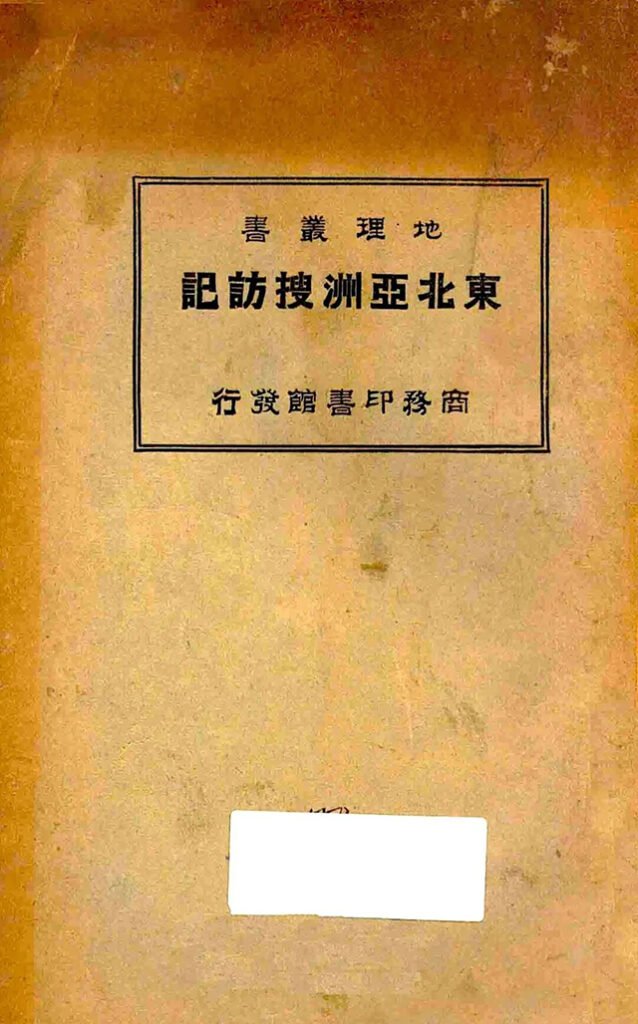
鳥居龍藏,《東北亞洲搜訪記》(商務印書館, 1930)
This book records Torii Ryūzō’s field investigations in Northeast Asia between 1919 and 1920. Traveling deep into the interior of the region, he conducted detailed on-site observations of the production methods, daily life, clothing, dwellings, marriage customs, and funerary practices of Mongol, Oroqen, and Daur communities. He also examined ancient city ruins, tombs, and artifacts dating particularly to the Jin and Liao periods, contributing to the study of Northeast Asian ethnic history and early cultures, including field research on ovoo rituals.
The book further explores the connections between Northeast Asia and neighboring cultural zones such as Siberia and Mongolia, and discusses earlier explorers including Mamiya Rinzō. It reflects the author’s broad historical and geographical understanding of regional transformations.
More than a travel narrative, this work is also an anthropological monograph. Employing fieldwork methods, Torii documented the region through photography, drawings, and specimen collection, preserving a large body of valuable primary materials on the geography and ethnography of Northeast Asia.
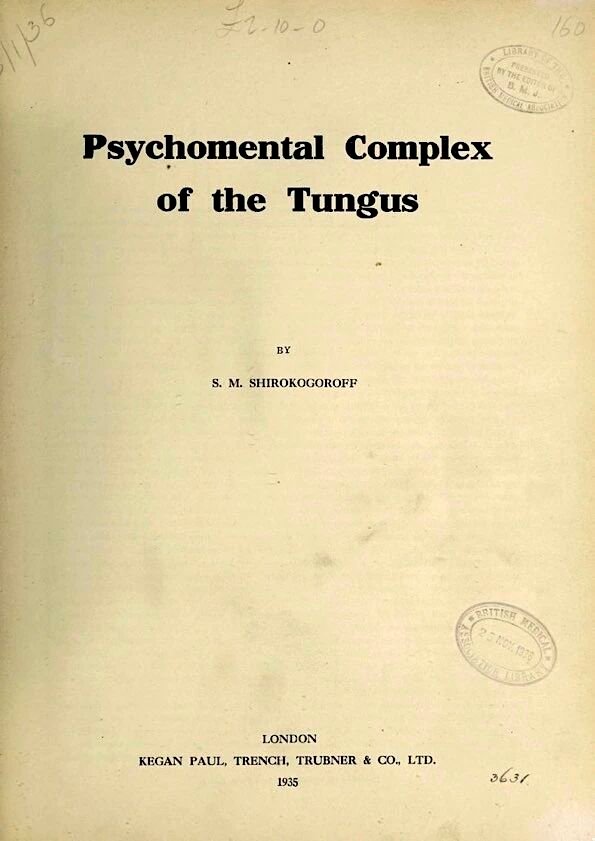
S. M. Shirokogorov, Psychomental Complex of the Tungus (Kegan, Paul, Trench, Trubner, 1935)
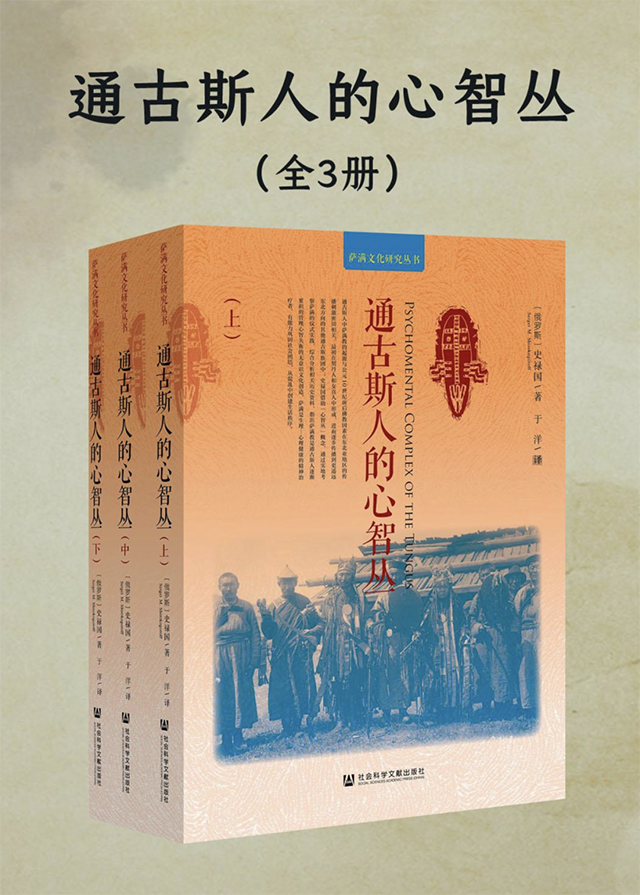
史禄国,《通古斯人的心智丛》(社会科学文献出版社,2024)
Psychomental Complex of the Tungus is a landmark work in the history of anthropology and the study of shamanism. Based on Shirokogorov’s comprehensive investigations of Tungus culture and six years of ethnographic research in Northeast China and Siberia, the book develops his theory of the ethnos and applies it to Tungus communities.
Drawing on anthropometric, archaeological, linguistic, and ethnographic materials, Shirokogorov argues that so-called “Arctic hysteria” was not a disease but a culturally structured phenomenon associated with spirit control and trance. He further proposes that Tungus shamanism was historically stimulated by the spread of Buddhist influences in Northeast Asia around the tenth century, first taking shape among the Khitan and Jurchen before spreading northward.
Using the concept of the “psychomental complex,” he interprets shamanism as an unconscious cultural creation for managing psychological imbalance and maintaining social order, while portraying shamans as spiritual healers capable of reinforcing communal cohesion.
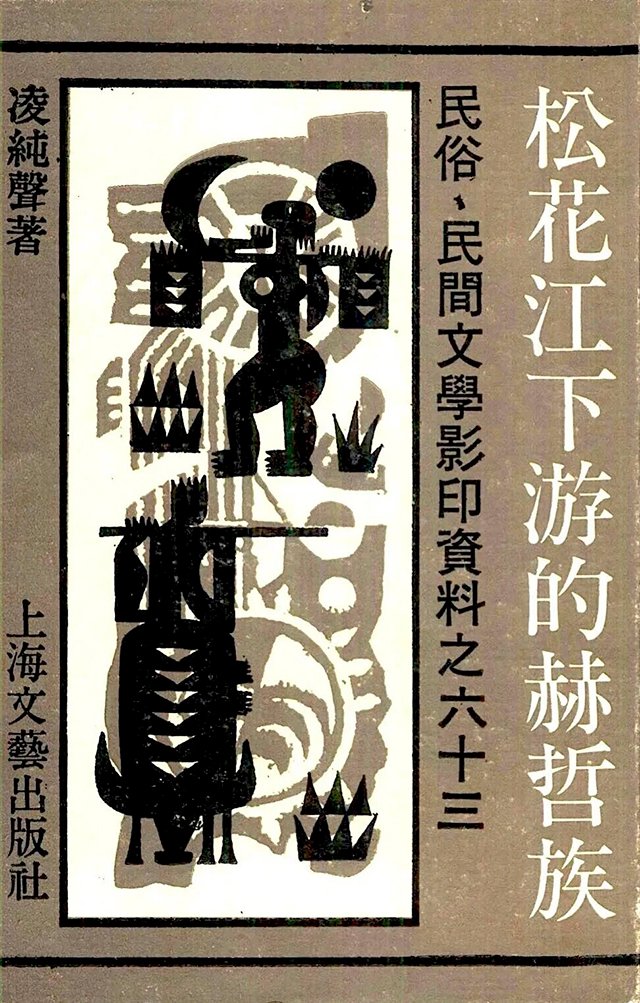
凌純聲,《松花江下游的赫哲族》(国立中央研究院语言研究所,1934)
This book was written after Ling Chun-sheng and Shang Zhang-sun conducted fieldwork in the Yilan and Fuyuan regions of Heilongjiang in the spring and summer of 1930. Published in 1934, it is divided into four chapters.
The first examines the relationship between ancient peoples of Northeast China and the Hezhe, as well as the geographical distribution of the Hezhe population. The second discusses Hezhe culture, including material life, spiritual beliefs, family structure, and social organization. The third chapter focuses on the Hezhe language. The appendix transcribes nineteen Yimakan epic narratives.
Richly illustrated and interdisciplinary in scope, the work combines history, ethnology, folklore, linguistics, sociology, religion, literature, and geography, presenting the diverse historical world of the Hezhe people. It has often been regarded as an encyclopedic study of the Hezhe.
辻雄二、色音,《北方民族与萨满文化:中国东北民族的⼈类学调查》(中央民族⼤学出版社,1995年)
This is a collection of anthropological field reports on the shamanistic beliefs of ethnic minorities in Northeast China. It compiles the field research conducted by Japanese scholars Tomotsugu Oma, Takashi Akiba, Tomokiyo Akamatsu, Seiichi Izumi, and Hikoichi Oyama in the 1930s and 1940s among the Ewenki, Hezhe, Daur, and Manchu peoples, covering topics such as rituals, witchcraft, and religious beliefs.
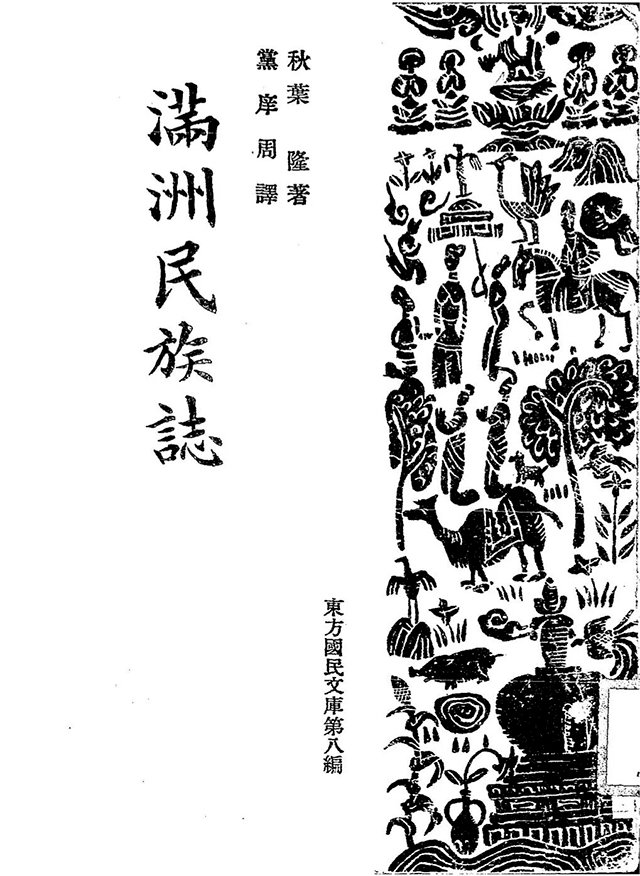
秋葉隆,《滿洲民族誌》(满日文化协会,1938)
Takashi Akiba graduated from the Department of Sociology at Tokyo Imperial University in 1921 and began teaching at Keijō Imperial University in 1926, where he specialized in the society and folklore of the Korean Peninsula. From the 1930s onward, he was commissioned by the Concordia Association of Manchukuo to investigate the cultures of Manchuria’s multiethnic populations. This book presents the results of that research.
Akiba’s ethnographic writings on Manchuria, together with those of Ōmachi Tokuzō, emphasized ethnic differentiation and formed part of broader Japanese colonial efforts to conceptualize the modernization of Northeast Asian peoples and frontier regions.
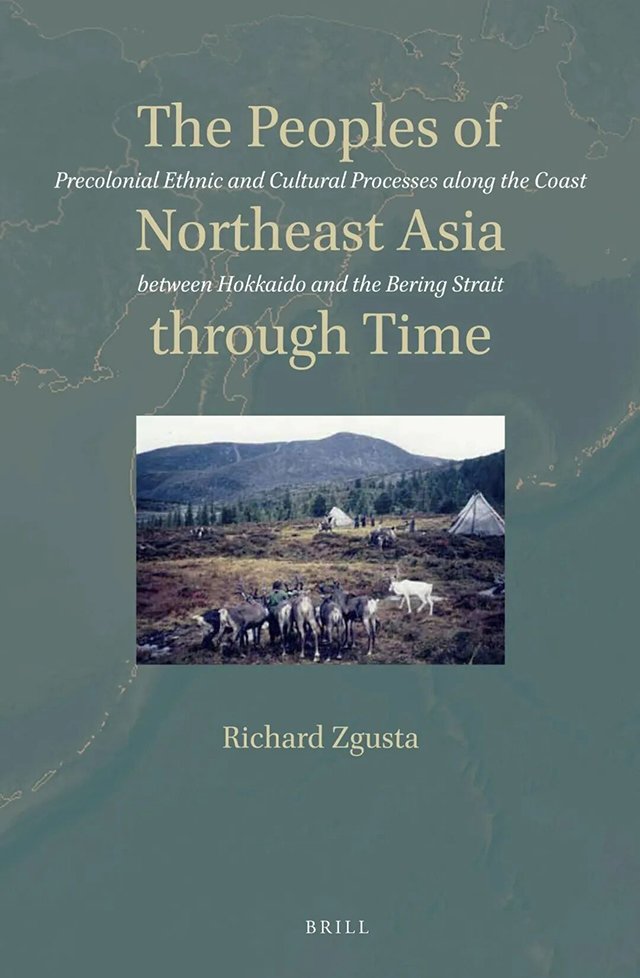
Richard Zgusta, The Peoples of Northeast Asia through Time: Precolonial Ethnic and Cultural Processes along the Coast between Hokkaido and the Bering Strait (Brill, 2015)
This book focuses on the formation processes of the indigenous peoples and cultures of the Northeast Asian coastal zone, including the Ainu, Paleoasiatic peoples, and Asian Eskimos. Most chapters begin with the situation of these groups in the early colonial period, followed by interdisciplinary reconstructions of prehistoric cultures directly ancestral to them. A separate chapter compares ethnographic data diachronically, including subsistence, material culture, social organization, and religion.
Politics/History
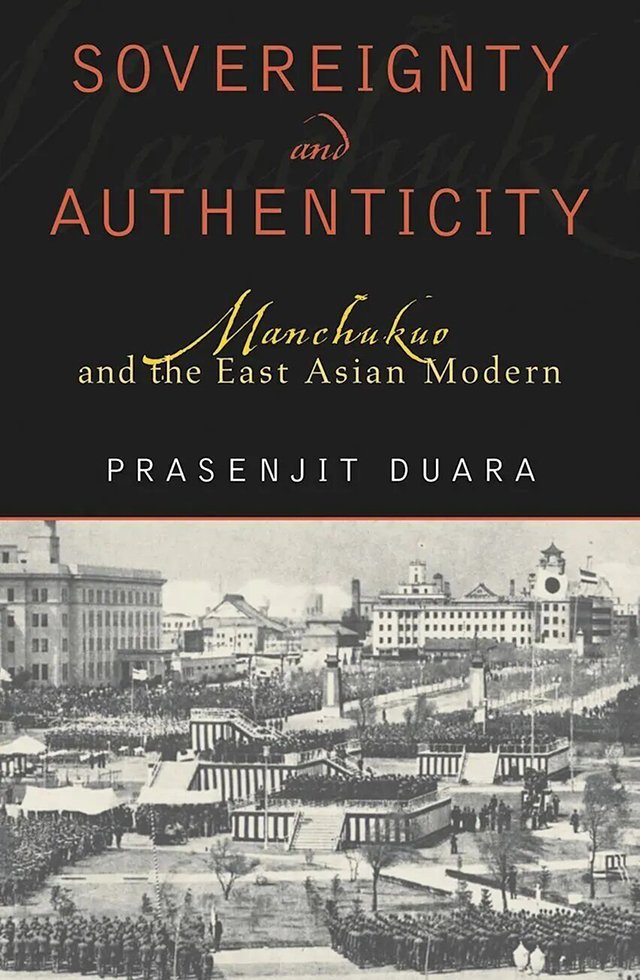
Prasenjit Duara, Sovereignty and Authenticity: Manchukuo and the East Asian (Rowman & Littlefield Publishers, 2004)
In this powerful and provocative book, Prasenjit Duara uses the case of Manchukuo, the Japanese puppet state in northeast China from 1932-1945, to explore how such antinomies as imperialism and nationalism, modernity and tradition, and governmentality and exploitation interacted in the post-World War I period. His study of Manchukuo, which had a population of 40 million and was three times the area of Japan, catalyzes a broader understanding of new global trends that characterized much of the twentieth century. Asking why Manchukuo so desperately sought to appear sovereign, Duara examines the cultural and political resources it mobilized to make claims of sovereignty. He argues that Manchukuo, as a transparently constructed ‘nation-state,’ offers a unique historical laboratory for examining the utilization and transformation of circulating global forces mediated by the ‘East Asian modern.’
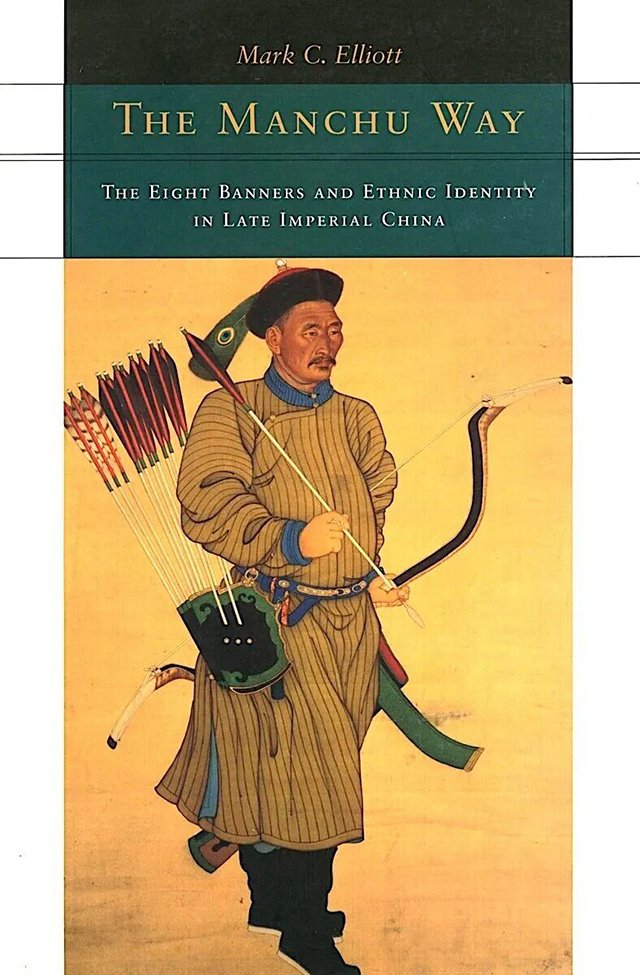
Mark C. Elliott, The Manchu Way: The Eight Banners and Ethnic Identity in Late Imperial China (Stanford University Press, 2001)
This book, the first in any language to be based mainly on Manchu documents, supplies a radically new perspective on the formative period of the modern Chinese nation. Drawing on recent critical notions of ethnicity, the author explores the evolution of the “Eight Banners,” a unique Manchu system of social and military organization that was instrumental in the conquest of the Ming.
The Qing court’s power derived not only from the acceptance of orthodox Chinese notions of legitimacy, but also, the author suggests, from Manchu “ethnic sovereignty,” which depended on the sustained coherence of the conquerors.
When, in the early 1700s, this coherence was threatened by rapid acculturation and the prospective loss of Manchu distinctiveness, the Qing court, always insecure, desperately urged its minions to uphold the traditions of an idealized “Manchu Way.” However, the author shows that it was not this appeal but rather the articulation of a broader identity grounded in the realities of Eight Banner life that succeeded in preserving Manchu ethnicity, and the Qing dynasty along with it, into the twentieth century.
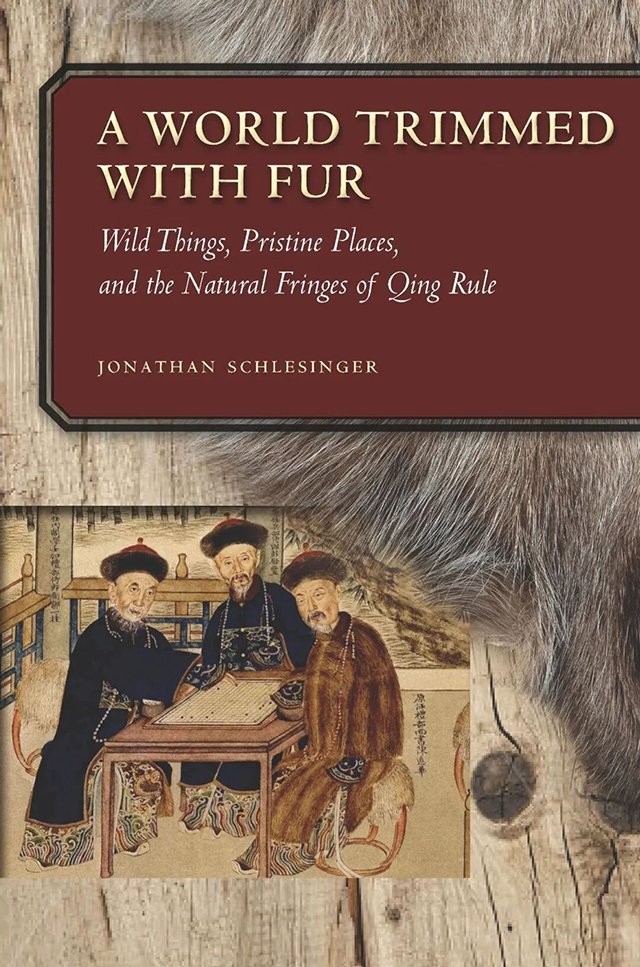
Jonathan Schlesinger, A World Trimmed with Fur: Wild Things, Pristine Places, and the Natural Fringes of Qing Rule (Stanford University Press, 2017)
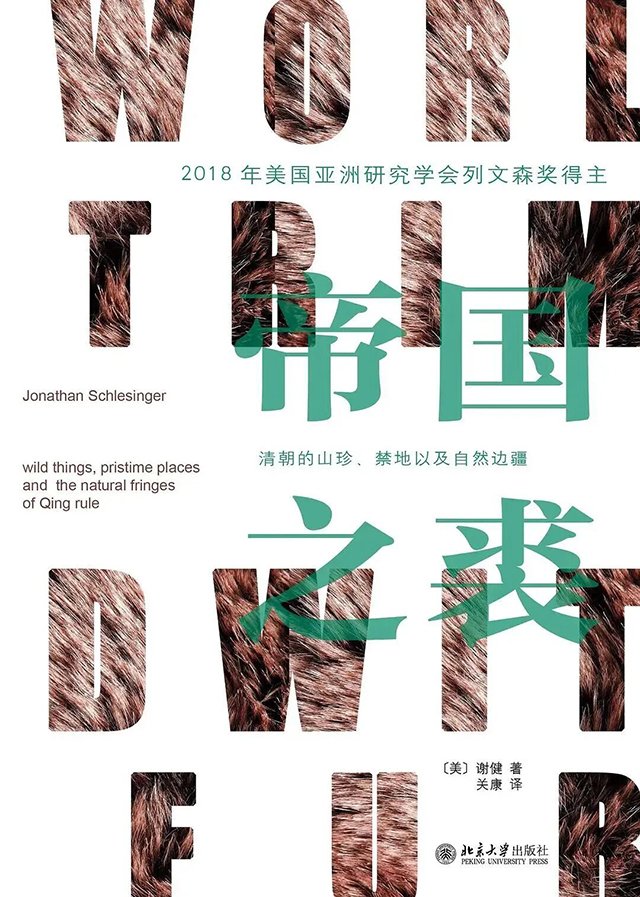
谢健,《帝国之裘:清朝的山珍、禁地以及自然边疆》 (北京大学出版社,2019)
In the eighteenth and nineteenth centuries, booming demand for natural resources transformed China and its frontiers. Historians of China have described this process in stark terms: pristine borderlands became breadbaskets. Yet Manchu and Mongolian archives reveal a different story. Well before homesteaders arrived, wild objects from the far north became part of elite fashion, and unprecedented consumption had exhausted the region’s most precious resources.
In A World Trimmed with Fur, Jonathan Schlesinger uses these diverse archives to reveal how Qing rule witnessed not the destruction of unspoiled environments, but their invention. Qing frontiers were never pristine in the nineteenth century―pearlers had stripped riverbeds of mussels, mushroom pickers had uprooted the steppe, and fur-bearing animals had disappeared from the forest. In response, the court turned to “purification;” it registered and arrested poachers, reformed territorial rule, and redefined the boundary between the pristine and the corrupted. Schlesinger’s resulting analysis provides a framework for rethinking the global invention of nature.
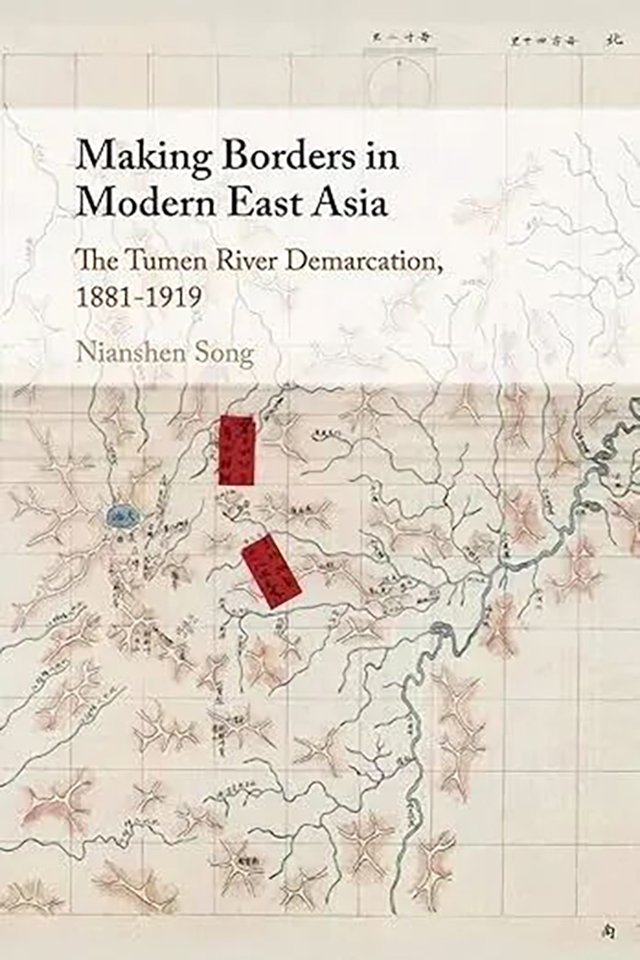
Nianshen Song, Making Borders in Modern East Asia: The Tumen River Demarcation, 1881–1919 (Cambridge University Press, 2018)
Until the late nineteenth century, the Chinese-Korean Tumen River border was one of the oldest, and perhaps most stable, state boundaries in the world. Spurred by severe food scarcity following a succession of natural disasters, from the 1860s, countless Korean refugees crossed the Tumen River border into Qing-China’s Manchuria, triggering a decades-long territorial dispute between China, Korea, and Japan. This major new study of a multilateral and multiethnic frontier by Nianshen Song, highlights the competing state- and nation-building projects in the fraught period that witnessed the Sino-Japanese War, the Russo-Japanese War, and the First World War. The power-plays over land and people simultaneously promoted China’s frontier-building endeavours, motivated Korea’s nationalist imagination, and stimulated Japan’s colonialist enterprise, setting East Asia on an intricate trajectory from the late-imperial to a situation that, Song argues, we call modern.
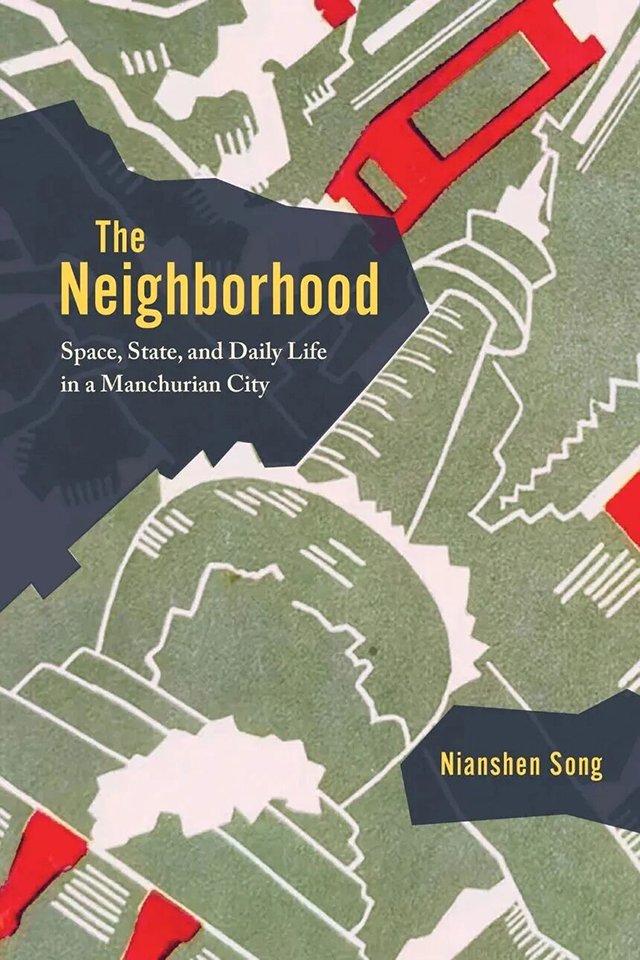
Nianshen Song, The Neighborhood: Space, State, and Daily Life in a Manchurian City (University of Chicago Press, 2025)
What can one neighborhood reveal about the making of a modern nation? The Neighborhood deciphers the unexpected significance of Xita, a half-square-mile quarter in Shenyang, in Northeast China. As the historian Nianshen Song shows, over nearly four centuries, Xita has been shaped and reshaped by empire, war, migration, and urban transformation. Remarkably, the history of this small area mirrors large-scale changes, including and especially China’s metamorphosis from a multiethnic Eurasian empire to a postindustrial society.
Song begins with Xita’s origins as a Qing-era Tibetan Buddhist center, following the lives of Mongol lamas and their imperial patrons. He tracks the neighborhood through the tumultuous twentieth century, when competing Russian and Japanese railway empires fueled its industrial growth, and Japanese colonizers turned it into a showcase for their imperial ambitions. Later, Xita became a vital enclave for Korea’s diaspora before emerging in the post-Mao era as a neon-lit hub of commerce and entertainment.
A thoroughly researched microhistory, The Neighborhood reveals how global forces play out in everyday spaces. By studying the emperors, warlords, merchants, laborers, and migrants who shaped Xita, Song presents a captivating and original perspective for understanding China’s past—not from the top down, but through the streets and people who lived it.
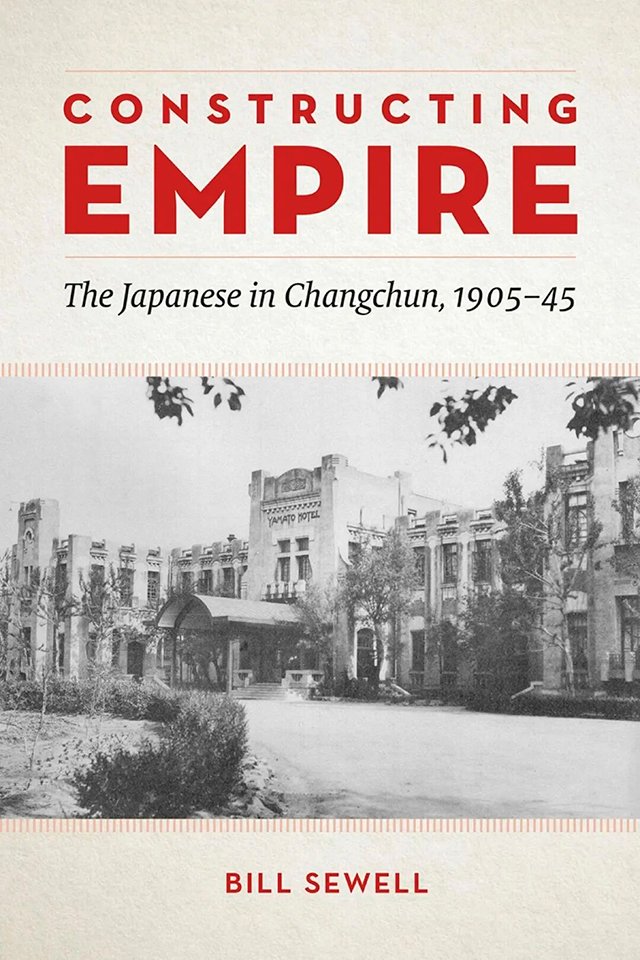
Bill Sewell, Constructing Empire: The Japanese in Changchun, 1905-45 (UBC Press, 2019)
Japanese imperialism in Manchuria before 1932 developed in a manner similar to that of other imperialists elsewhere in China—but thereafter the Japanese sought to surpass their rivals by transforming the city of Changchun into a grand capital for the puppet state of Manchukuo, putting it on the cutting edge of Japanese propaganda. Providing a thematic assessment of the evolving nature of planning, architecture, economy, and society in Changchun, Sewell examines the key organizations involved in developing Japan’s empire there as part of larger efforts to assert its place in the world order.
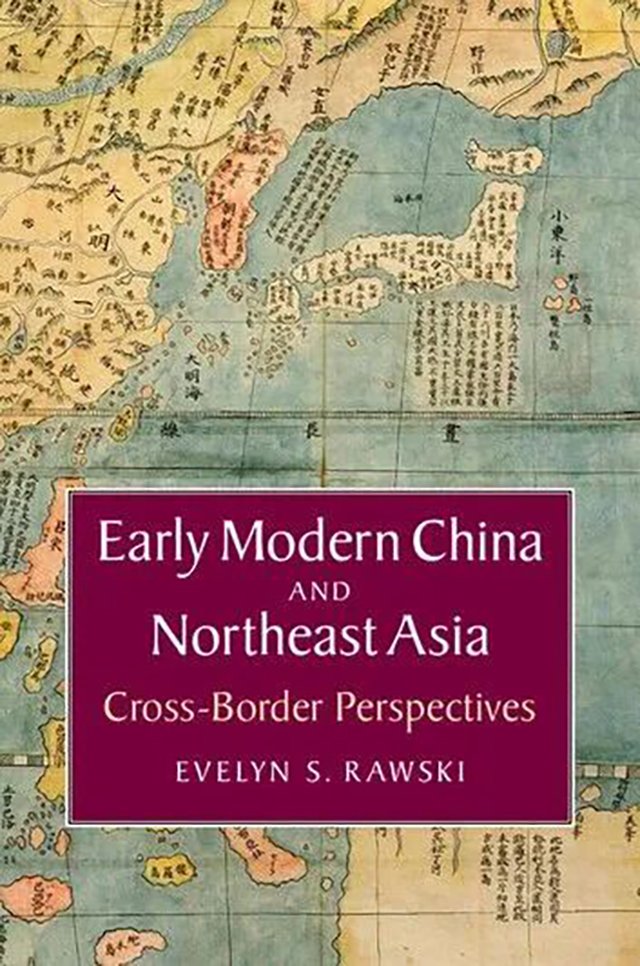
Evelyn S. Rawski, Early Modern China and Northeast Asia: Cross-Border Perspectives (Cambridge University Press, 2015)
In this revisionist history of early modern China, Evelyn Rawski challenges the notion of Chinese history as a linear narrative of dynasties dominated by the Central Plains and Hans Chinese culture from a unique, peripheral perspective. Rawski argues that China has been shaped by its relations with Japan, Korea, the Jurchen/Manchu and Mongol States, and must therefore be viewed both within the context of a regional framework, and as part of a global maritime network of trade. Drawing on a rich variety of Japanese, Korean, Manchu and Chinese archival sources, Rawski analyses the conflicts and regime changes that accompanied the region’s integration into the world economy during the sixteenth and seventeenth centuries. Early Modern China and Northeast Asia places Sino-Korean and Sino-Japanese relations within the context of northeast Asian geopolitics, surveying complex relations which continue to this day.
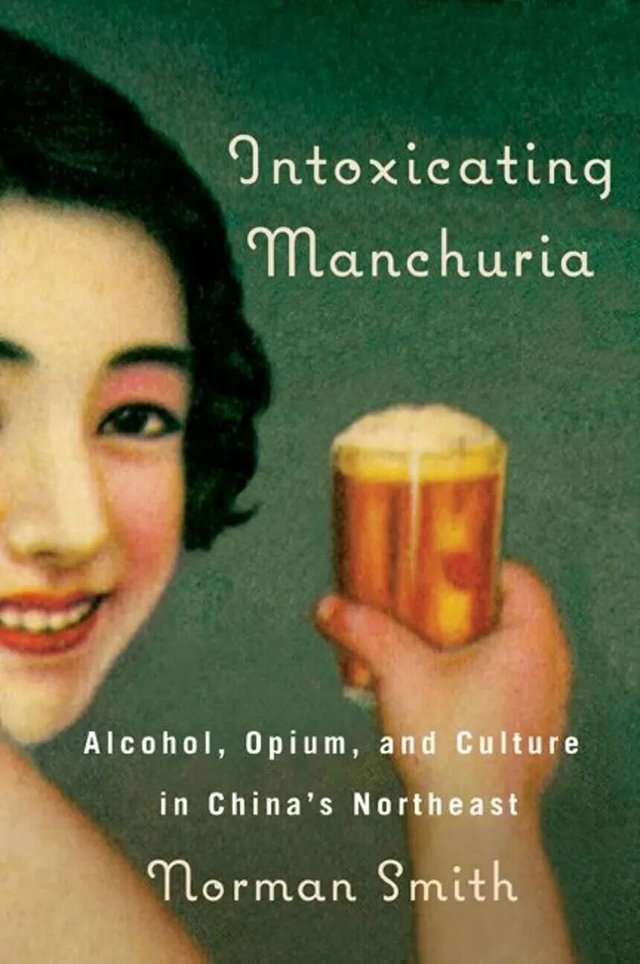
Norman Smith, Intoxicating Manchuria: Alcohol, Opium, and Culture in China’s Northeast (University of Washington Press, 2013)
Intoxicating Manchuria reveals how the powerful alcohol and opium industries in Northeast China were altered by warlord rule, Japanese occupation, political conflict, and a vigorous anti-intoxicant movement. Through the lens of the Chinese media’s depictions of alcohol and opium, Norman Smith examines how intoxicants and addiction were understood in this society, the role the Japanese occupation of Manchuria played in the portrayal of intoxicants, and the efforts made to reduce opium and alcohol consumption. This is the first English-language book-length study to focus on alcohol use in modern China and the first dealing with intoxicant restrictions in the region.
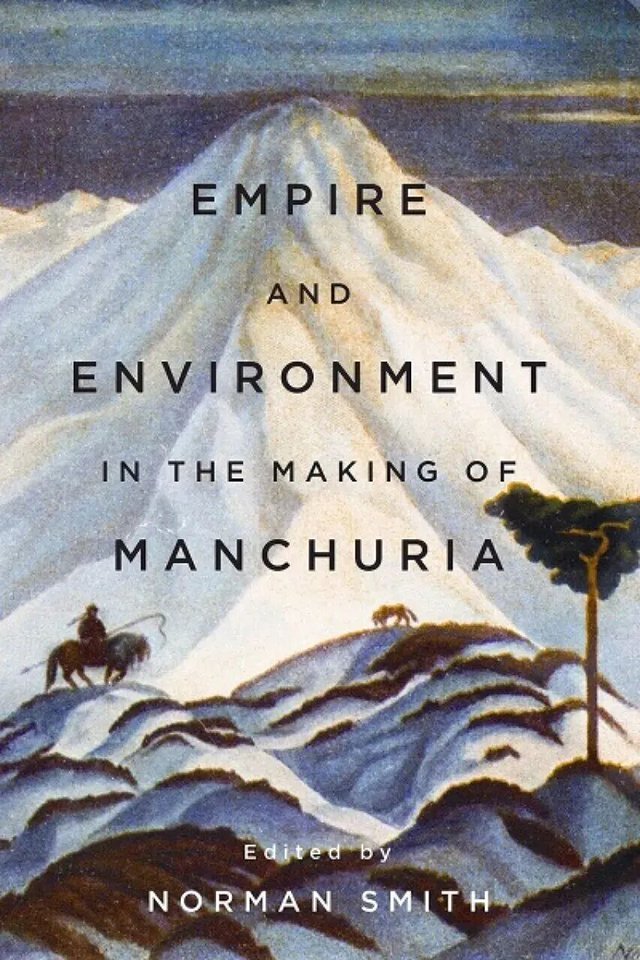
Norman Smith, Empire and Environment in the Making of Manchuria (UBC Press, 2017)
For centuries, some of the world’s largest empires fought for sovereignty over the resources of Northeast Asia. This compelling analysis of the region’s environmental history examines the interplay of climate and competing imperial interests in a vibrant – and violent – cultural narrative. Families that settled this borderland reaped its riches while at the mercy of an unforgiving and hotly contested landscape. As China’s strength as a world leader continues to grow, this volume invites exploration of the indelible links between empire and environment – and shows how the geopolitical future of this global economic powerhouse is rooted in its past.
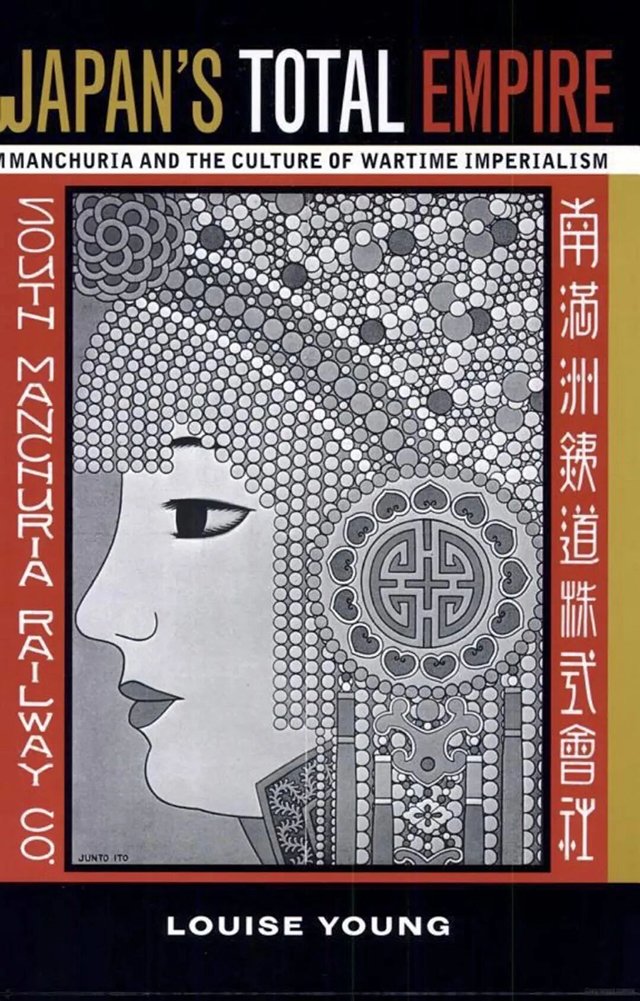
Louise Young, Japan’s Total Empire: Manchuria and the Culture of Wartime (University of California Press, 1997)
Focusing on the domestic impact of Japan’s activities in Northeast China between 1931 and 1945, Young considers “metropolitan effects” of empire building: how people at home imagined and experienced the empire they called Manchukuo.
Contrary to the conventional assumption that a few army officers and bureaucrats were responsible for Japan’s overseas expansion, Young finds that a variety of organizations helped to mobilize popular support for Manchukuo―the mass media, the academy, chambers of commerce, women’s organizations, youth groups, and agricultural cooperatives―leading to broad-based support among diverse groups of Japanese. As the empire was being built in China, Young shows, an imagined Manchukuo was emerging at home, constructed of visions of a defensive lifeline, a developing economy, and a settler’s paradise.
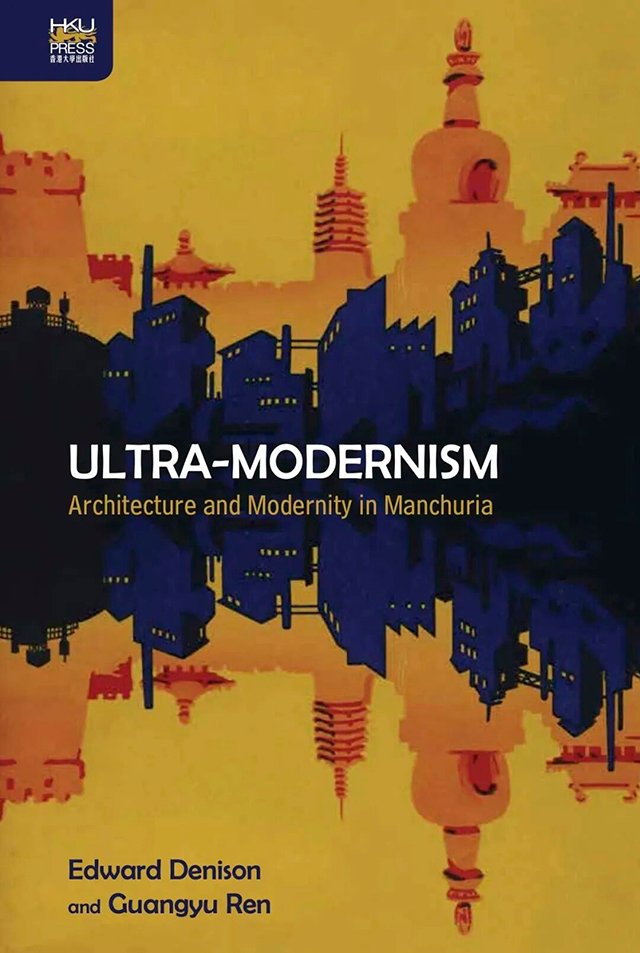
Edward Denison and Guangyu Ren, Ultra-Modernism Ultra-Modernism: Architecture and Modernity in Manchuria (Hong Kong University Press, 2017)
The first half of the twentieth century was fraught with global tensions and political machinations. However, for all the destruction in that period, these geopolitical conditions in Manchuria cultivated an extraordinary variety of architecture and urban planning, which has completely escaped international attention until now. With over forty carefully chosen images, Ultra-Modernism: Architecture and Modernity in Manchuria is the first book in English that illustrates Manchuria’s encounter with modernity through its built environment. Edward Denison and Guangyu Ren take readers through Russia’s early territorial claims, Japan’s construction of the South Manchuria Railway (SMR), and the establishment of Manchukuo in 1932. The book examines in detail the creation of modern cities along the SMR and focuses on three of the most important urban centers in Manchuria: the Russian-dominated city of Harbin, the port of Dalian, and the new capital of Manchukuo, Hsinking (Changchun).
This book attempts to redress an imbalance in the modern history of China by studying the impact of Japan on architecture and planning beyond the depredations of the Sino-Japanese War.
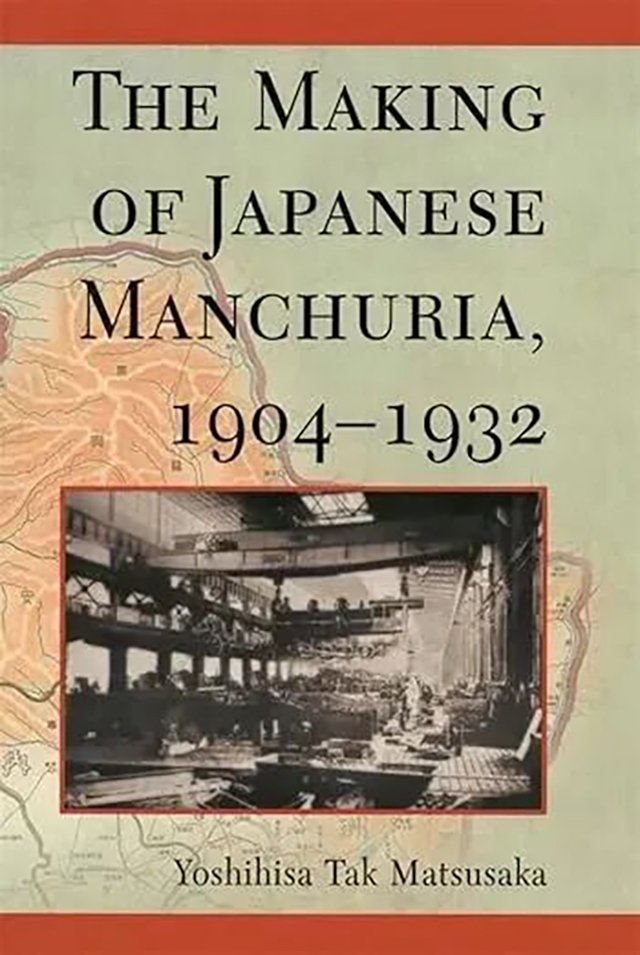
Yoshihisa Tak Matsusaka, The Making of Japanese Manchuria, 1904-1932 (Harvard University Asia Center, 2001)
In this history of Japanese involvement in northeast China, the author argues that Japan’s military seizure of Manchuria in September 1931 was founded on three decades of infiltration of the area. This incremental empire-building and its effect on Japan are the focuses of this book.
The principal agency in the piecemeal growth of Japanese colonization was the South Manchurian Railway Company, and by the mid-1920s Japan had a deeply entrenched presence in Manchuria and exercised a dominant economic and political influence over the area. Japanese colonial expansion in Manchuria also loomed large in Japanese politics, military policy, economic development, and foreign relations and deeply influenced many aspects of Japan’s interwar history.
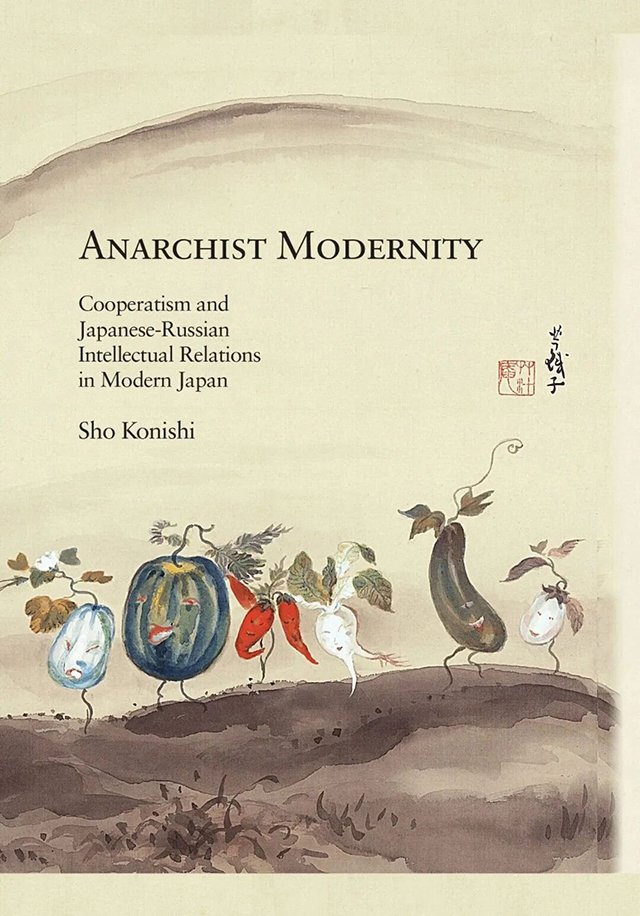
Sho Konishi, Anarchist Modernity: Cooperatism and Japanese-Russian Intellectual Relations in Modern Japan (Harvard University Asia Center, 2013)
Mid-nineteenth century Russian radicals who witnessed the Meiji Restoration saw it as the most sweeping revolution in recent history and the impetus for future global progress. Acting outside imperial encounters, they initiated underground transnational networks with Japan. Prominent intellectuals and cultural figures, from Peter Kropotkin and Lev Tolstoy to Saigo Takamori and Tokutomi Roka, pursued these unofficial relationships through correspondence, travel, and networking, despite diplomatic and military conflicts between their respective nations.
Tracing these non-state networks, Anarchist Modernity uncovers a major current in Japanese intellectual and cultural life between 1860 and 1930 that might be described as “cooperatist anarchist modernity”―a commitment to realizing a modern society through mutual aid and voluntary activity, without the intervention of state governance. These efforts later crystallized into such movements as the Nonwar Movement, Esperantism, and the popularization of the natural sciences.
Examining cooperatist anarchism as an intellectual foundation of modern Japan, Sho Konishi offers a new approach to Japanese history that fundamentally challenges the “logic” of Western modernity. It looks beyond this foundational construct of modern history writing to understand people, practices, and cultural expressions that have been forgotten or dismissed as products of anti-modern nativist counter urges against the West.
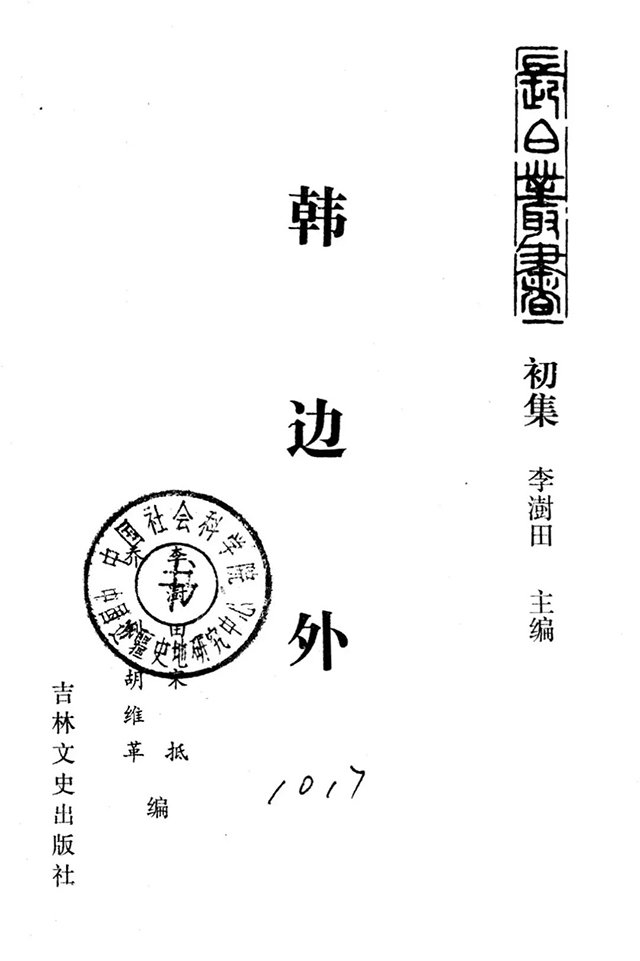
李澍⽥、宋抵、乔钊、胡维⾰编,《韩边外》(吉林文史出版社,1987)
“Hanbianwai” is a collective term referring to the Han family (Han Xianzong, Han Shouwen, Han Dengju, Han Xiutang, and Han Jintang) and their autonomous regime, which were active in Jilin Province from the Qing Dynasty through the Republic of China era. The name derives from their long-term residence beyond the willow-fence border. Led by Han Xianzong, the clan rose to prominence through the exploitation of the Jiapigou gold mine, establishing an independently governed “Golden Kingdom” whose sphere of influence extended across counties such as Huadian, Panshi, and Dunhua. In 1854, Han Xianzong became the chief overseer of the Jiapigou gold mine, formed an armed organization known as the “Great Corps,” commanded a private militia of 3,000 men, and established a legal system and a currency in circulation. After repeated failed campaigns to suppress the clan, the Qing court shifted to a policy of pacification, appointing Han Xianzong as the “Commander of Nanshan” and tacitly recognizing the legitimacy of his rule. In 1894, during the First Sino-Japanese War, the third-generation leader, Han Dengju, led a volunteer force of hunters into battle against the Japanese and was awarded a fourth-rank official cap by the Qing court. When Tsarist Russia invaded in 1900, Han Dengju repelled Russian forces at Mayiling and waged guerrilla warfare. During the Sino-Japanese dispute over the Liancourt Rocks in 1907, he led troops to provide a military deterrent for the territorial negotiations. After Han Dengju’s death from illness in 1919, the family declined; in 1933, they were forced to take out a loan from the “South Manchuria Railway,” and in 1934, they completely lost their mining rights. This book is the most comprehensive compilation of historical documents and materials related to “Hanbianwai.”
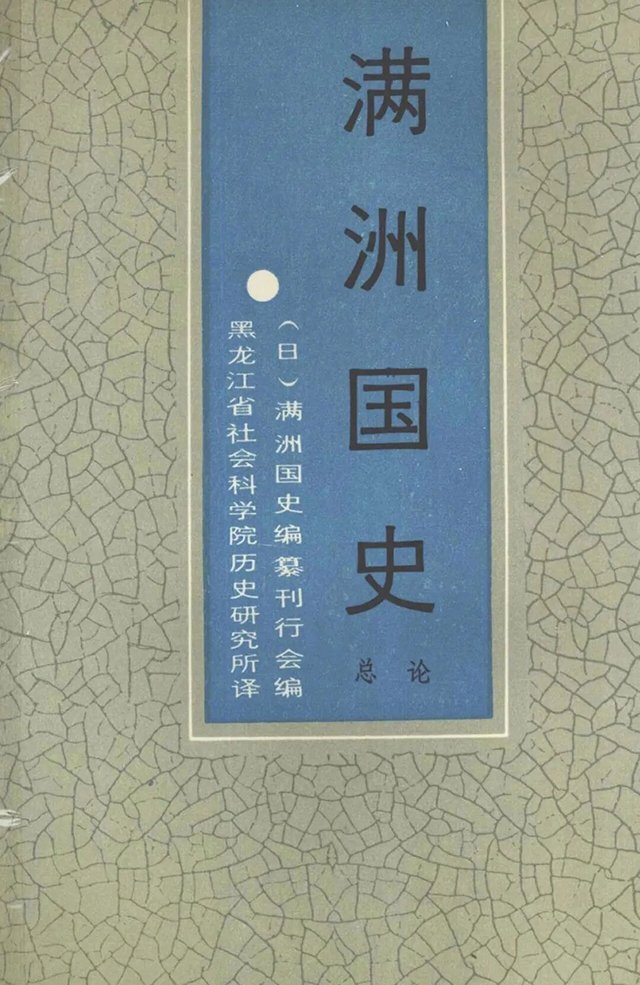
满洲国史刊行会编,《满洲国史·总论》 (黑龙江省社会科学院,1990)
Postwar Japanese academic discourse on the memory and reinterpretation of Manchukuo has prompted certain right-wing scholars to attempt to redefine the regime’s “legitimacy.” Among the relevant scholarly works, The History of Manchukuo: General Overview, compiled by Japan’s “Manchukuo History Compilation and Publication Society,” is particularly representative. In 1945, the “Manchuria-Mongolia Compatriots Relief Association,” an organization for Japanese returnees, was established. In March 1953, the association’s board of directors decided to compile a three-volume series titled “The Rise and Fall of Manchukuo,” which was completed by 1971. The volumes are: A History of Manchuria’s Development: Forty Years (Volumes 1 and 2), History of Manchukuo (General Overview and Specific Studies), and History of the End of the War in Manchuria and Mongolia. This trilogy is massive in scope and rich in historical sources, and has been relied upon by postwar Japanese scholars studying the history of Manchukuo. History of Manchukuo: General Overview was translated by the Institute of History at the Heilongjiang Academy of Social Sciences and published by the Heilongjiang Academy of Social Sciences in 1990; the book comprises 929 pages.
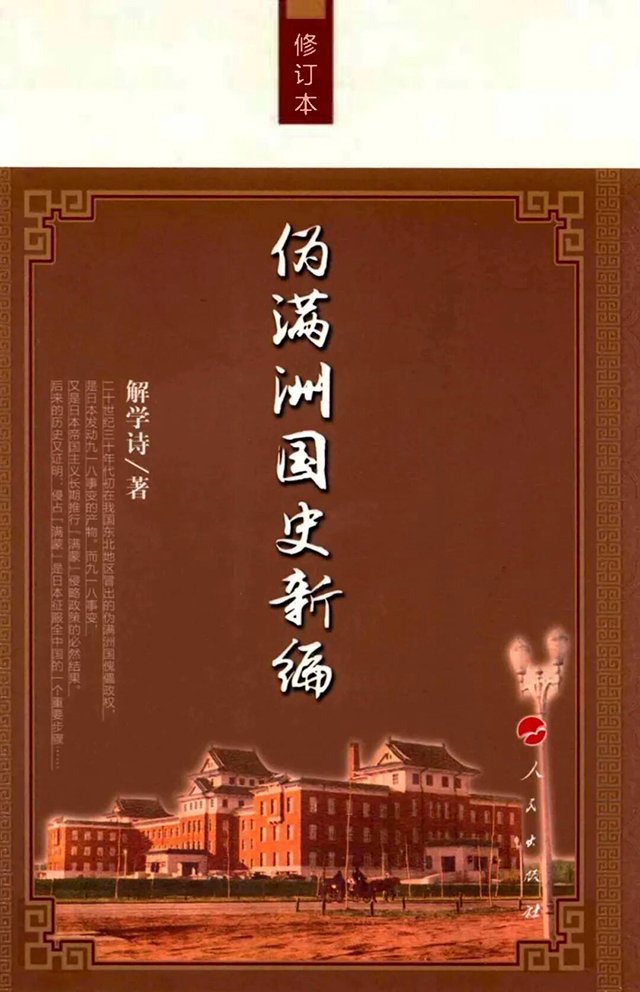
解学诗,《伪满洲国史新编》(人民出版社,2015)
A New History of the Puppet State of Manchukuo, written by Xie Xueshi, a researcher at the Jilin Provincial Academy of Social Sciences, was revised and republished by People’s Publishing House in 2008. It is a monograph on the history of the War of Resistance Against Japan. First published in 1995, the book draws on the author’s research accumulated while compiling Selected Archives on Japanese Imperialist Aggression Against China. Through the addition of historical materials and the correction of errors, it systematically analyzes the historical process of the puppet Manchukuo regime from its establishment to its collapse. Organized chronologically into four parts and twenty-four chapters, the book examines the military and colonial nature of the puppet regime from 1931 to 1945. The first part exposes the process by which Japan launched the “September 18 Incident” and established the puppet regime; the remaining three parts detail the military and political repression, economic plunder, and cultural subjugation policies during the colonial rule, with new thematic studies on the operations of the Xiehehui (Harmony Association) and the forced labor system. The book cites a large number of primary archives to demonstrate, from the perspectives of political structure, economic control, and colonial governance, the inevitable demise of the puppet Manchukuo regime as a tool of Japanese aggression. Certain chapters analyze Japan’s strategies for invading China through case studies such as the Wanbaoshan Incident, and examine the practical implementation of colonial governance methods, including the dual bureaucratic system and public health policies. This volume is recommended for comparative reading with the General Introduction of the History of Manchukuo, published by the Manchukuo History Compilation and Publication Committee.
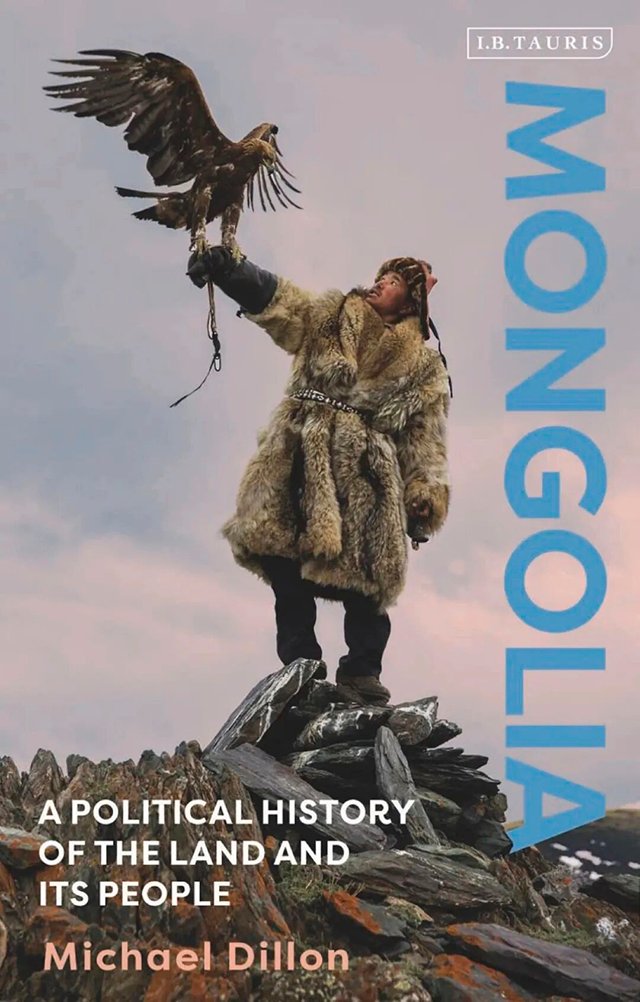
Michael Dillon, Mongolia: A Political History of the Land and its People (I.B. Tauris, 2019)
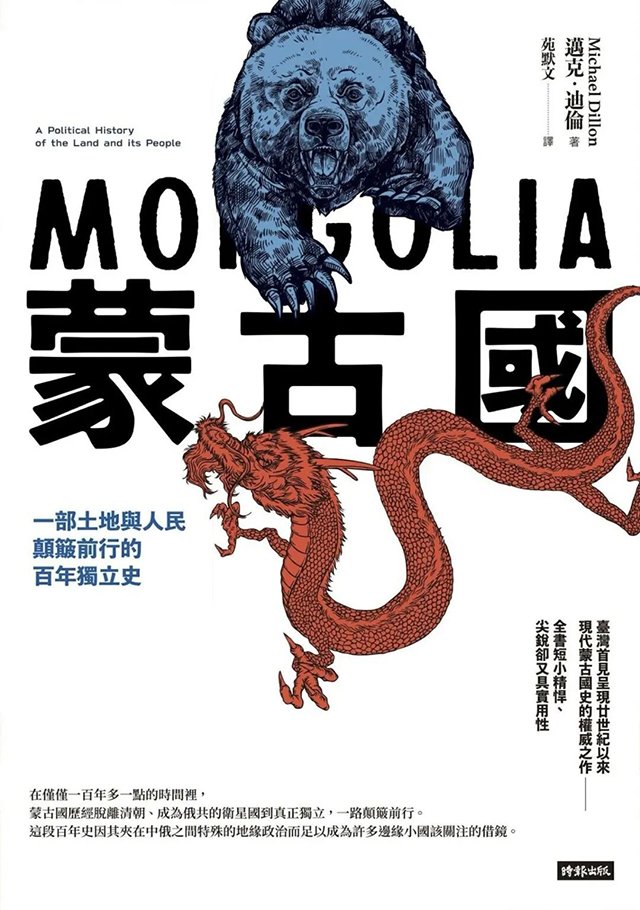
邁克·迪倫,《蒙古國:一部土地與人民顛簸前行的百年獨立史》(時報出版,2021)
Mongolia remains a beautiful barren land of spectacularly clothed horse-riders, nomadic romance and windswept landscape. But modern Mongolia is now caught between two giants: China and Russia; and known to be home to enormous mineral resources they are keen to exploit. China is expanding economically into the region, buying up mining interests and strengthening its control over Inner Mongolia. Michael Dillon, one of the foremost experts on the region, seeks to tell the modern history of this fascinating country. He investigates its history of repression, the slaughter of the country’s Buddhists, its painful experiences under Soviet rule and dictatorship, and its history of corruption. But there is hope for its future, and it now has a functioning parliamentary democracy which is broadly representative of Mongolia’s ethnic mix. How long that can last is another question. Short, sharp and authoritative, Mongolia will become the standard text on the region as it becomes begins to shape world affairs.
Yanbian / Korean Ethnic Group / Korean Independence Movement
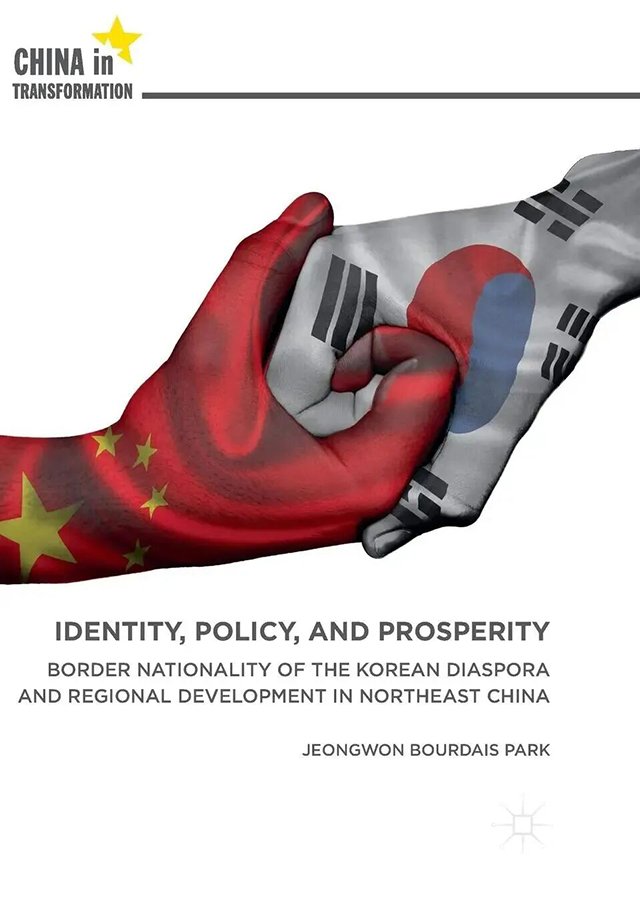
Jeongwon Bourdais Park, Identity, Policy, and Prosperity: Border Nationality of the Korean Diaspora and Regional Development in Northeast China (Palgrave Macmillan, 2017)
This book offers a rare glimpse into China’s Korean minority, which dominates the area bordering North Korea; even as Korea is riven into capitalist and communist societies, China’s Koreans register this dilemma as one internal to the society they live in, in China’s postindustrial Northeast. As this research makes clear, once driven by state investment in industry, the Northeast is now struggling to define its identity as a post-industrial region; the ethnic Koreans there even more so. This monograph provides a distinctive look at a group shaped by political turmoil, economic transformation, and cultural struggle; the study may offer an idea of what the future of the Korean peninsula itself might be, disentangling the puzzling contradictions and synergies between nationality, locality and development in China.
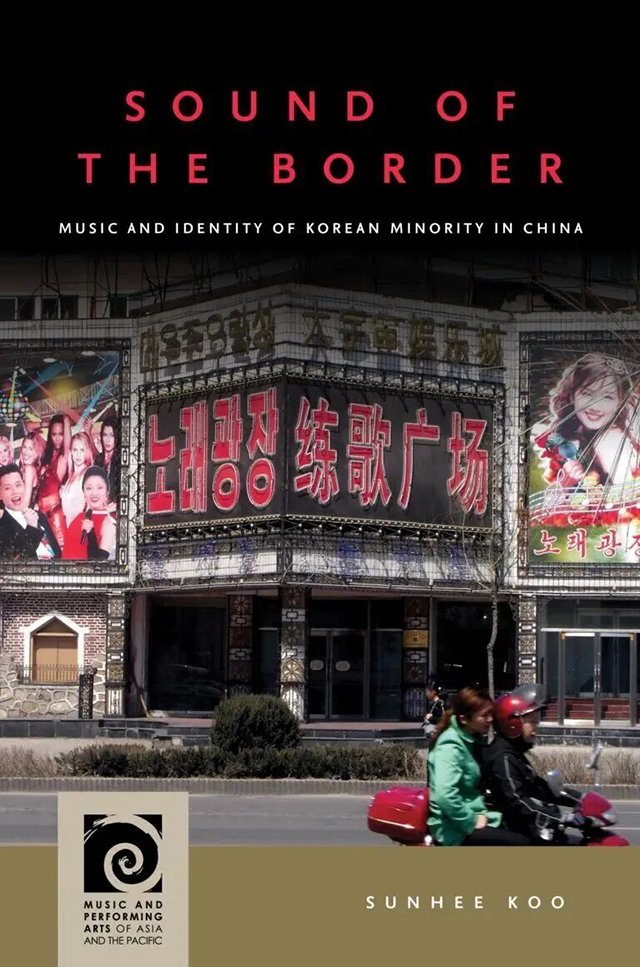
Sunhee Koo, Sound of the Border: Music and Identity of Korean Minority in China (University of Hawaii Press, 2021)
Using ethnographic data collected in China and South Korea between 2004 and 2011, author Sunhee Koo provides a comprehensive view of the music of Koreans in China (Chaoxianzu), from its time as manifestation of a displaced culture to its return home after more than a century of amalgamation and change in China. As the first English-language book on the music and identity of China’s Korean minority community, Sound of the Border investigates diasporic mutations of Korean culture, influenced by power dynamics in the host country and the constant renewal of relationships with the homeland.
The author examines the unique construction of diasporic Korean music in China and uses it as a window to understanding the complexities and diversification of Korean identity, shaped by the ideological and political bifurcation and post–Cold War political resurgence that have affected Northeast Asia. The performances of Korean Chinese musicians—positioned between their adopted state and the two Koreas—embody a complex cultural intersection crisscrossing ideological, political, and social boundaries in historical and present-day Northeast Asia. Migrants enact their agency in creating a unique sound for Korean Chinese identity through navigating cultural resources accessed in their host and the two distinctive motherlands.
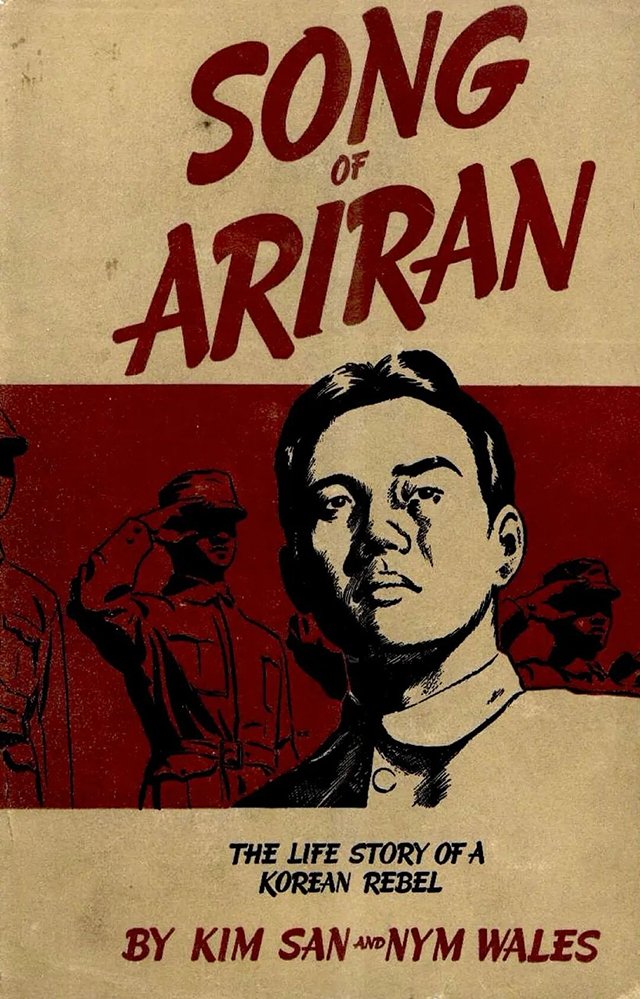
Kim San and Nym Wales, Song of Ariran: The Life Story of a Korean Rebel (John Day, 1941)
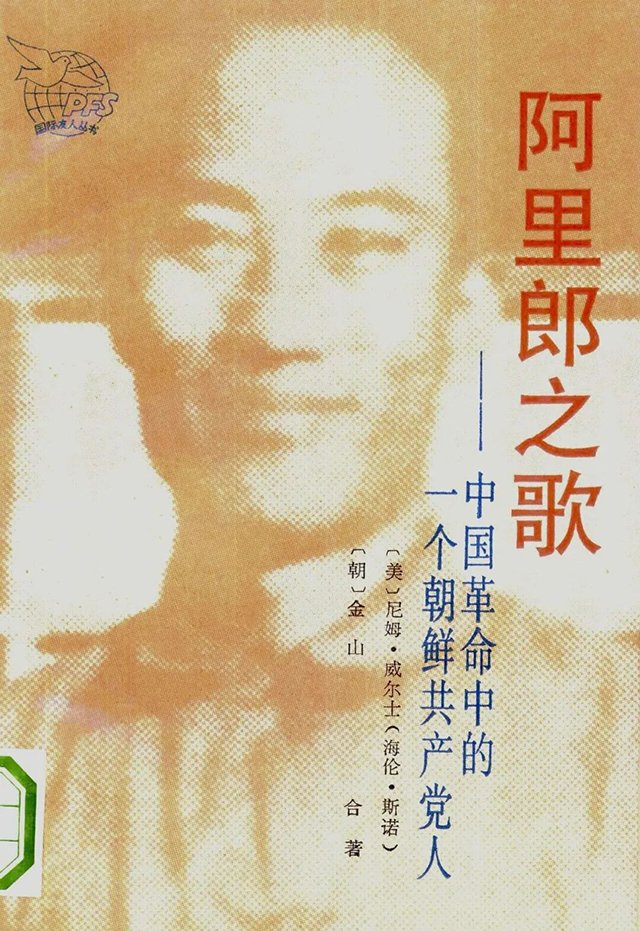
海伦•斯诺、金山,《阿里郎之歌:中国革命中的一个朝鲜共产党人》(新华出版社,1993)
In a compound in Yenan, soon after the Japanese onslaught of July 7, 1937, ‘Num Wales’Helen Foster Snowtook down the words of ‘Kim Sam’, the former a young American journalist who knew she was in on one of the scoops of the century, the latter a Korean who has decided to struggle against the Japanese occupiers of his homeland by joining the Chinese Communists. He was old beyond his 32 years due to sickness, imprisonment, torture and private brought on by voluntary participation in the struggles against the decaying social system and the rising new order of foreign imperialism. In a moment of truth, this revolutionary revealed his innermost thoughts in a way few human beings do.
As a Korean member of the Chinese Communist party, Kim San was in a unique position to observe and report on the Chinese Revolution and its relation to movements in neighboring Korea and Japan.
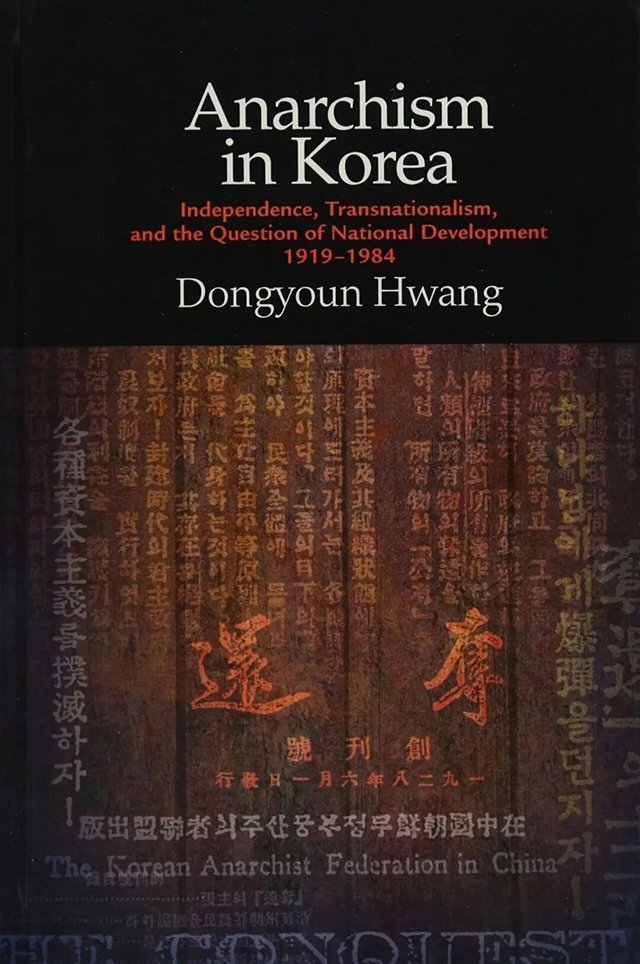
Dongyoun Hwang, Anarchism in Korea: Independence, Transnationalism, and the Question of National Development, 1919-1984 (State University of New York Press, 2016)
This book provides a history of anarchism in Korea and challenges conventional views of Korean anarchism as merely part of nationalist ideology, situating the study within a wider East Asian regional context. Dongyoun Hwang demonstrates that although the anarchist movement in Korea began as part of its struggle for independence from Japan, connections with anarchists and ideas from China and Japan gave the movement a regional and transnational dimension that transcended its initial nationalistic scope. Following the movement after 1945, Hwang shows how anarchism in Korea was deradicalized and evolved into an idea for both social revolution and alternative national development, with emphasis on organizing and educating peasants and developing rural villages.
孙春日,《中国朝鲜族移民史》(中华书局,2009)
This book is the first comprehensive and systematic Chinese-language monograph on the history of Korean ethnic migration to China. It is divided into four periods—the Qing Dynasty, the Republic of China era, the period of Japanese colonial and puppet rule, and the Liberation War era—and traces the historical process of Korean migration to Northeast China from the Qing Dynasty through the Liberation War. The book examines the natural and cultural characteristics of the Changbai Mountains, the Tumen River, and the Yalu River—which form the Sino-Korean border—and employs push-pull theory to analyze the motivations behind Korean immigration. It reveals the “push” factors resulting from political oppression and economic hardship under Japanese colonial rule in the 1930s, as well as the “pull” factors created by land opportunities in Northeast China and Japanese propaganda. The content covers policy disputes regarding immigration among China, Japan, and North Korea; the socioeconomic activities of Korean immigrants and their cultural integration with the various ethnic groups in Northeast China; and, in particular, documents the historical process by which the Korean ethnic group gradually integrated into Chinese society during the anti-Japanese struggle.
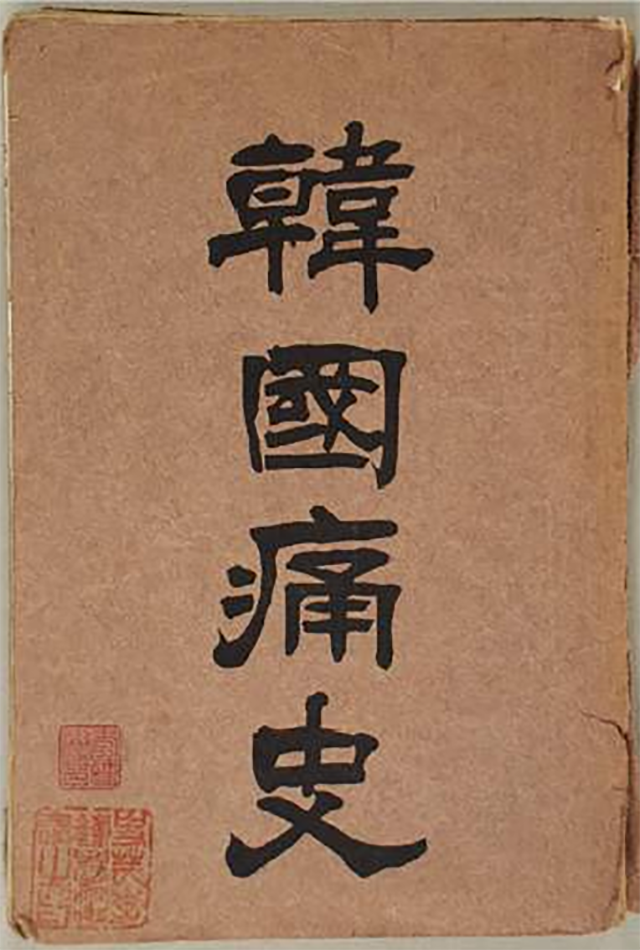
朴殷植,《韩国痛史》(大同编译局,1915)
A History of Korea’s Suffering (한국통사) is a historical work written in Chinese by Park In-sik, a modern Korean scholar and leader of the independence movement. Completed in 1914 and published in Shanghai, China, in 1915 by the Datong Translation Bureau, it was authored under the pseudonym “Taibai Kuangnu” and includes a preface by Kang Youwei. As the earliest work on modern Korean history written by a Korean author, the book was composed during Park In-sik’s exile in China. It traces the historical timeline from the accession of King Gojong of Joseon in 1864 to 1911, systematically and meticulously documenting the historical process leading to Korea’s loss of sovereignty as a result of Japanese aggression. The book was later smuggled back into Korea, where it was widely read by the public and became essential reading for Korean independence activists and overseas Koreans.
杨昭全,《中国境内韩国反日独立运动史第一卷》(吉林人民出版社,1996)
杨昭全,《中国境内韩国反日独立运动史第二卷》(吉林省社会科学院,1997)
This is a scholarly work by Yang Zhaoquan systematically examining the history of anti-Japanese resistance carried out by Korean independence activists within China. Comprising two volumes, it spans from the formal Japanese annexation of the Korean Peninsula following the 1910 Japan-Korea Annexation Treaty to the liberation of the Korean Peninsula in 1945 following Japan’s surrender. It traces the origins, development, peak, and strategic evolution of the Korean anti-Japanese independence movement within China, encompassing everything from early armed struggles to later political and diplomatic activities. It covers the establishment of the Provisional Government of the Republic of Korea in Shanghai following the 1919 March First Movement and its subsequent relocation within China; the interactions between Korean independence forces and various Chinese political factions (such as the Beiyang Government, the Southern Constitutionalist Military Government, the Kuomintang, and the Communist Party of China); the armed anti-Japanese struggle waged by the Korean Independence Army in the Northeast (Manchuria), as well as the subsequent activities of the Liberation Army in the interior regions of China. Drawing on a wealth of archival materials, this study systematically reveals the comprehensive picture of the Korean anti-Japanese movement within China and highlights the mutual assistance formed between China and Korea during their joint resistance against Japan. It constitutes an important component of the history of Sino-Korean relations and the history of the Asian anti-fascist war.
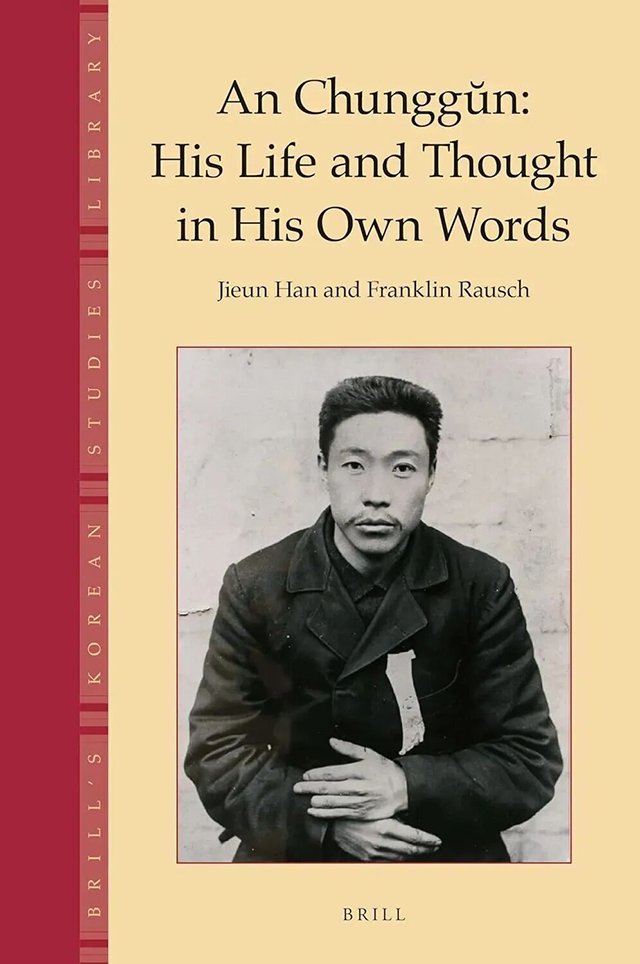
Jieun Han and Franklin Rausch, An Chunggŭn: His Life and Thought in His Own Words (Brill, 2020)
Though An is most famous for killing Itō Hirobumi, the contents of this volume show that there was much more to him than that. For instance, far from being anti-Japanese, An thought deeply about how China, Japan, and Korea could work together to build a regional peace that would eventually spread throughout the world. Now, for the first time, all of An’s extant writings have been assembled together into an English translation that includes annotations and an introduction that places An and his works in their historical context.
Essay Collection
李曉東,李正吉主編,《東北亞近代空間的形成及其影響》(秀威資訊,2022)
How did the various regions of Northeast Asia transition from their respective traditions into the process of modernization? This book seeks to transcend the concept of “Asia” as constructed by the West and re-examine Asian issues from a global perspective. It features essays by 24 leading scholars who, centering on the theme of “Northeast Asia,” focus on the various “contacts and collisions” that occurred within the geographical and intellectual “contact zone” between Western Europe’s “modernity” and Northeast Asia, thereby revealing the distinctive characteristics of Northeast Asia’s “modernity.” The authors approach the subject from diverse perspectives. The book is divided into three parts: Part One, Northeast Asia from its Embryonic Stage to the Eve of Modernity; Part Two, The Reception, Reconfiguration, and Reinterpretation of “Modernity”; and Part Three, The “Light” and “Shadow” of “Contact.”
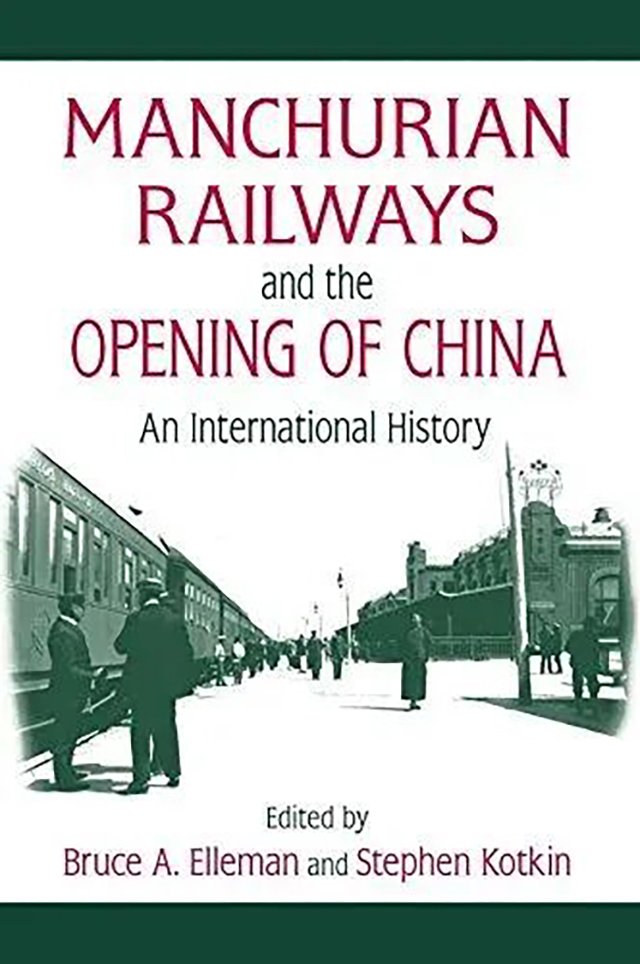
Bruce Elleman and Stephen Kotkin eds., Manchurian Railways and the Opening of China: An International History (Routledge, 2010)
The railways of Manchuria offer an intriguing vantage point for an international history of northeast Asia. Before the completion of the Trans-Siberian railway in 1916, the only rail route from the Imperial Russian capital of St. Petersburg to the Pacific port of Vladivostok transited Manchuria. A spur line from the Manchurian city of Harbin led south to ice-free Port Arthur. Control of these two rail lines gave Imperial Russia military, economic, and political advantages that excited rivalry on the part of Japan and unease on the part of weak and divided China. Meanwhile, the effort to defend and retain that strategic hold against rising Japanese power strained distant Moscow. Control of the Manchurian railways was contested in the Russo-Japanese War of 1904-5; Japan’s 1931 invasion and establishment of the puppet state of Manchukuo; the second Sino-Japanese War and World War II in Asia; and, the Chinese civil war that culminated in the Communist victory over the Nationalists. Today, the railways are critical to plans for development of China’s sparsely populated interior. This volume brings together an international group of scholars to explore this fascinating history.
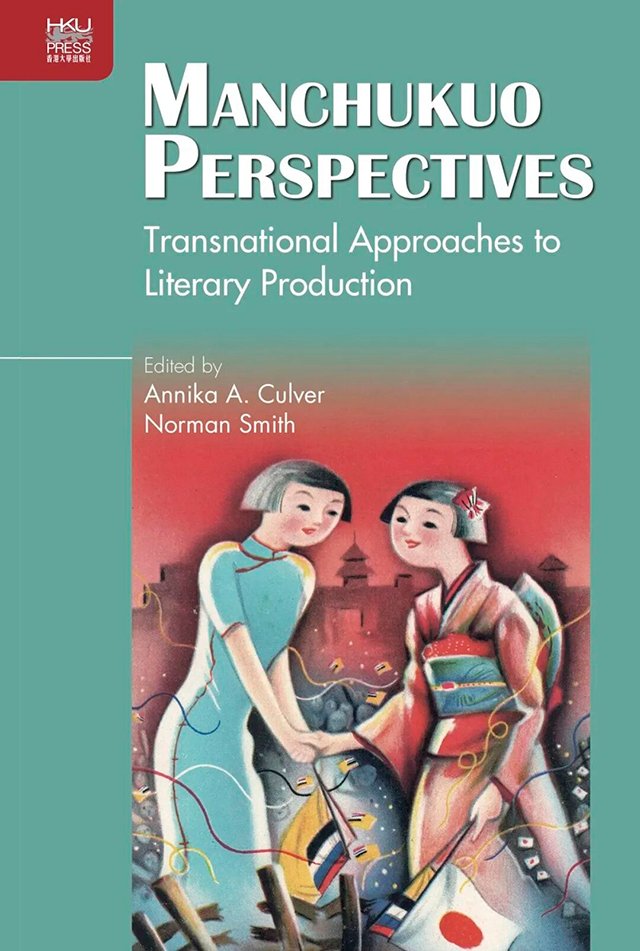
Annika A. Culver and Norman Smith eds., Manchukuo Perspectives: Transnational Approaches to Literary Production (Hong Kong University Press, 2019)
This groundbreaking volume, written by scholars from China, Korea, Japan, and North America, critically examines how writers in Japanese-occupied northeast China negotiated political and artistic freedom while engaging their craft amidst an increasing atmosphere of violent conflict and foreign control. The allegedly multiethnic utopian new state of Manchukuo (1932–1945) created by supporters of imperial Japan was intended to corral the creative energies of Chinese, Japanese, Koreans, Russians, and Mongols. Yet, the twin poles of utopian promise and resistance to a contested state pulled these intellectuals into competing loyalties, selective engagement, or even exile and death—surpassing neat paradigms of collaboration or resistance. In a semicolony wrapped in the utopian vision of racial inclusion, their literary works articulating national ideals and even the norms of everyday life subtly reflected the complexities and contradictions of the era.
石源华编,《韩国独立运动血史新论》(上海人民出版社,1996)
This is a collection of academic papers that provides an in-depth study of the history of the Korean independence movement. It compiles the research findings of numerous scholars from both China and South Korea, exploring the independence and restoration movement waged by the people of the Korean Peninsula for over 30 years following Korea’s annexation by Japan in 1910. It pays particular attention to the relationship between the Korean independence movement in China and China itself, providing an in-depth analysis of the activities of the Korean Provisional Government in Shanghai, prominent leaders such as Kim Gu, the anti-Japanese resistance struggles of Koreans in China during this period, the support and cooperation provided by the Kuomintang government to the Korean independence movement during the War of Resistance Against Japan, as well as the relationship between the Communist Party of China and the Korean independence movement.
Changbai Spring 2026: Speakers’ Publications
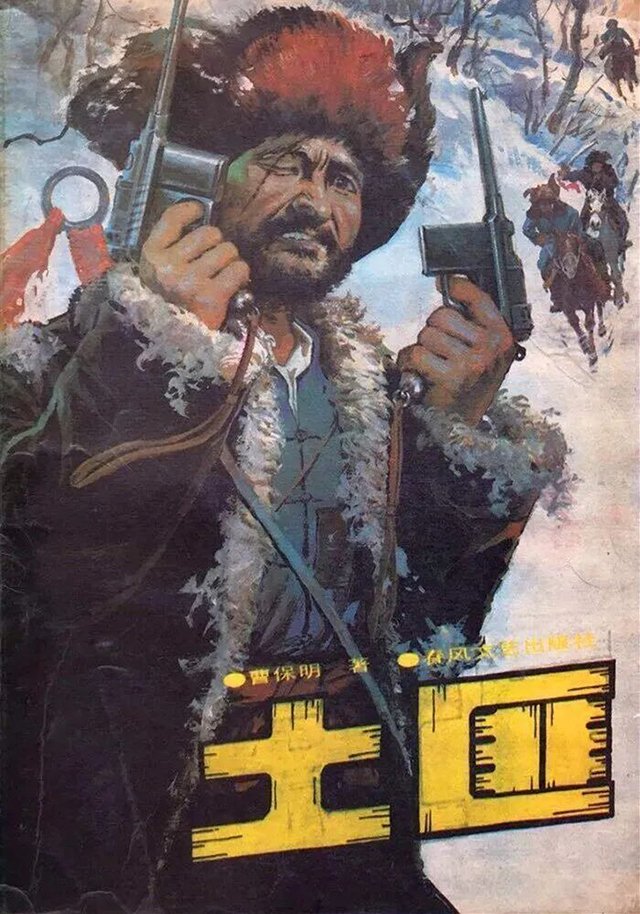
曹保明,《土匪》(春风文艺出版社,1988)
This is the earliest book to provide a comprehensive study of the “Liaozi” (also referred to as “Huzi,” “horse bandits,” or “bandits”) in Northeast China during the late Qing and early Republican periods. The book documents the rituals of these secret societies, including “Qiju” (establishing a Liaozi), ‘Guazhu’ (joining the group), and “Baxiang Touzi” (leaving the group); their “Four Beams and Eight Pillars” organizational structure (“Pao Tou”—gunmen; “Liang Tai”—logistics and finance chief; “Shui Xiang”—sentry duty and discipline enforcement; “Fan Duo”—diviners who aided the leader in decision-making; the “Yangzi Room”—hostage management; the “Hua Shezi”—the liaison responsible for negotiating with the hostages’ families; the “Cha Qian”—responsible for scouting locations before raiding; and the “Zi Jiang”—who writes “Hai Yezi” (ransom notes) for the hostages’ families); The “Ten No-Rob” gang code (do not rob wedding or funeral processions, postal carriers, ferrymen, itinerant doctors, gamblers, small vendors carrying bundles of rope, inns, monks, nuns, or Buddhist priests, the widowed, orphaned, or lonely, or lone night travelers); Gang punishments for rule-breakers (“burial alive,” “back-hair pulling,” “hanging by the nails,” “threading the flower,” “looking to the heavens,” “stripping alive”); activities such as raiding dens, kidnapping, acts of chivalry, revenge, winter hibernation, collecting ransoms, relying on dens, and pawning whips; as well as a systematic compilation and translation of gang slang.
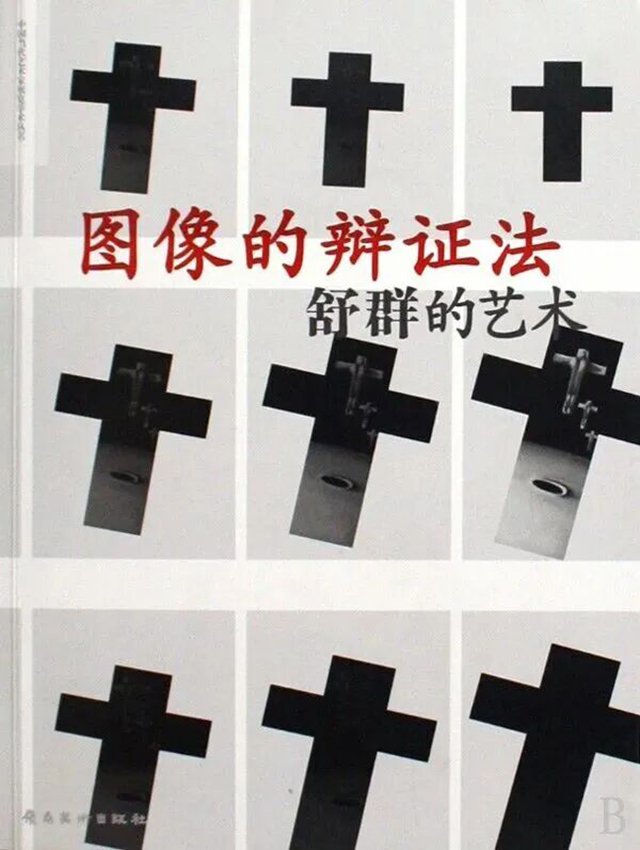
黄专编,《图像的辩证法:舒群的艺术》(岭南美术出版社,2009)
Edited by Huang Zuan, The Dialectics of the Image: The Art of Shu Qun comprehensively presents the historical trajectory and intellectual logic of Shu Qun’s art through three sections: “The Principle of the Absolute,” “Moving Beyond the Sublime,” and “The Order of Symbols.” The book collects Shu Qun’s critical writings from 1984 to 2004 and presents nearly fifty representative works from these three phases. It serves both as a case study of Shu Qun’s art and as an academic synthesis of the intellectual trajectory of Chinese contemporary art since the 1980s. The book’s inclusion of Shu Qun’s early theoretical writings on “Post-Cold Zone Culture” and “Rational Painting”—dating from the time he founded the “Northern Art Group” prior to the 1985 New Wave movement—constitutes particularly valuable artistic documentation.
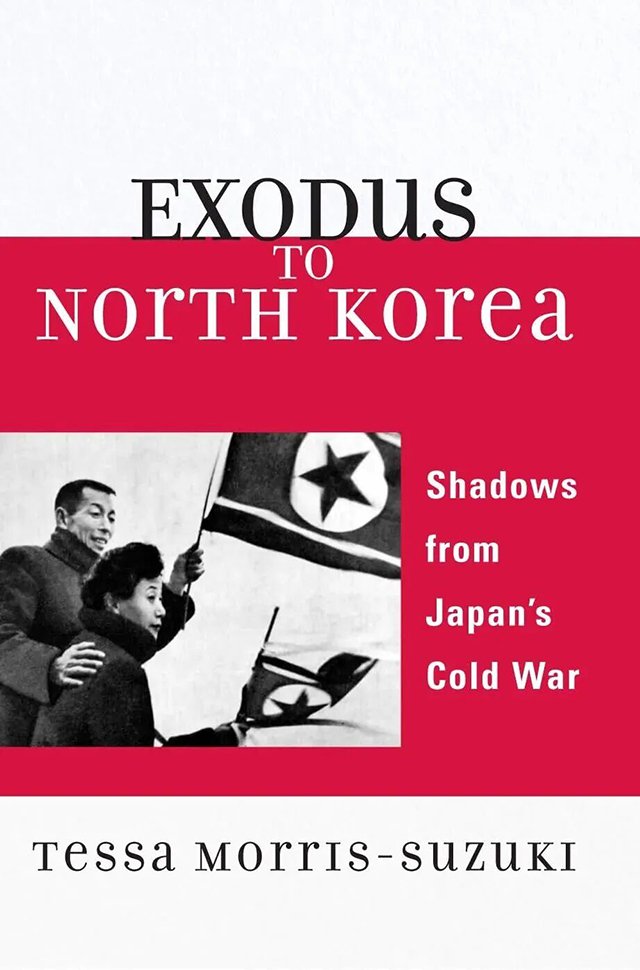
Tessa Morris-Suzuki, Exodus to North Korea: Shadows from Japan’s Cold War (Rowman & Littlefield, 2007)
Ranging from Geneva to Pyongyang, this remarkable book takes readers on an odyssey through one of the most extraordinary forgotten tragedies of the Cold War: the “return” of over 90,000 people, most of them ethnic Koreans, from Japan to North Korea from 1959 onward. For most, their new home proved a place of poverty and hardship; for thousands, it was a place of persecution and death. In rediscovering their extraordinary personal stories, this book also casts new light on the politics of the Cold War and on present-day tensions between North Korea and the rest of the world.
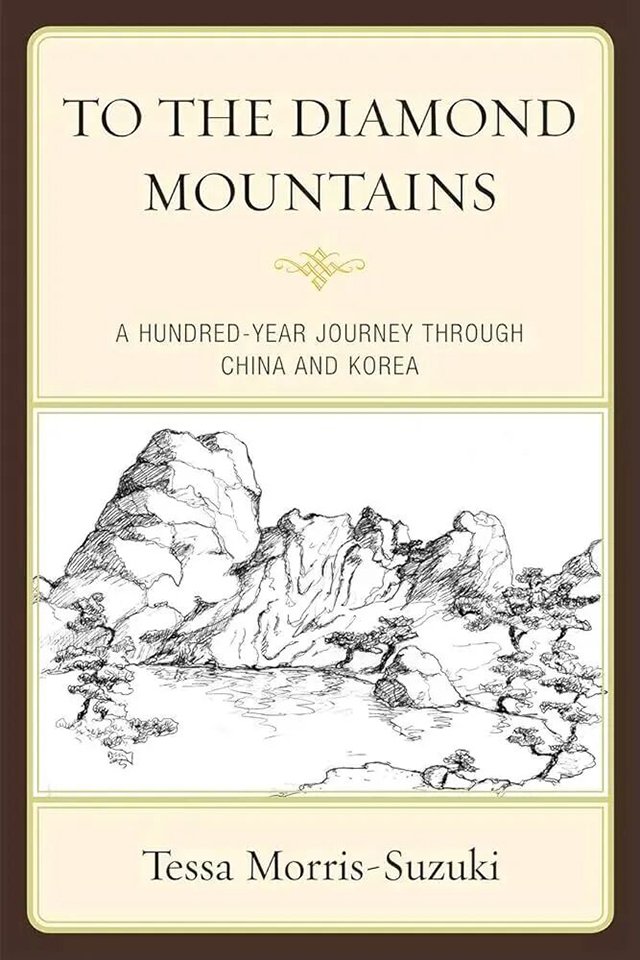
Tessa Morris-Suzuki,To the Diamond Mountains: A Hundred-Year Journey through China and Korea (Rowman & Littlefield Publishers, 2010)
This compelling and engaging book takes readers on a unique journey through China and North and South Korea. Tessa Morris-Suzuki travels from Harbin in the north to Busan in the south, and on to the mysterious Diamond Mountains, which lie at the heart of the Korean Peninsula’s crisis. As she follows in the footsteps of a remarkable writer, artist, and feminist who traced the route a century ago-in the year when Korea became a Japanese colony-her saga reveals an unseen face of China and the two Koreas: a world of monks, missionaries, and smugglers; of royal tombs and socialist mausoleums; a world where today’s ideological confrontations are infused with myth and memory. Northeast Asia is poised at a moment of profound change as the rise of China is transforming the global order and tensions run high on the Korean Peninsula, the last Cold War divide. Probing the deep past of this region, To the Diamond Mountains offers a new and unexpected perspective on its present and future.
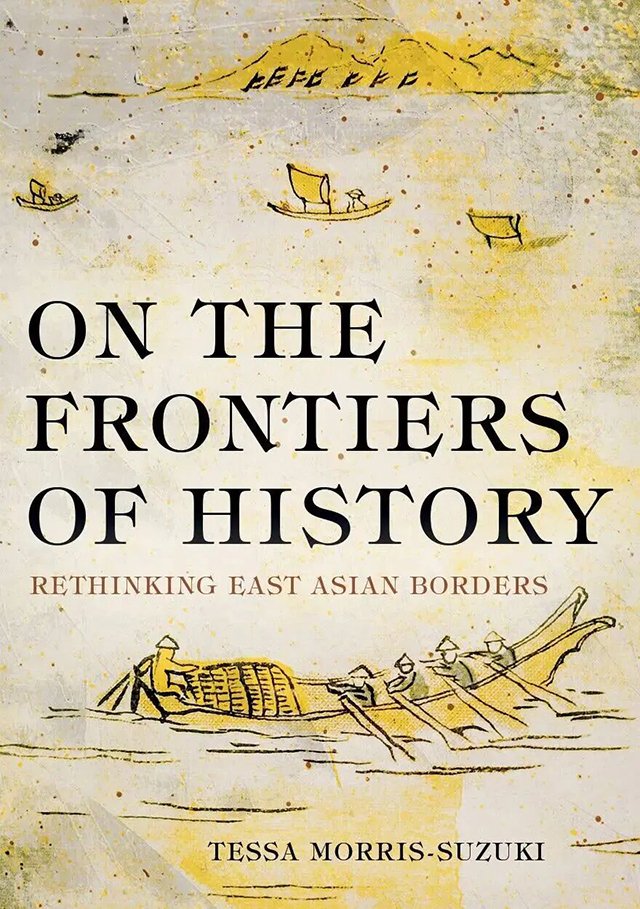
Tessa Morris-Suzuki, On the Frontiers of History: Rethinking East Asian Borders (ANU Press, 2020)
Why is it that we so readily accept the boundary lines drawn around nations or around regions like ‘Asia’ as though they were natural and self-evident, when in fact they are so mutable and often so very arbitrary? What happens to people not only when the borders they seek to cross become heavily guarded, but also when new borders are drawn straight through the middle of their lives? The essays in this book address these questions by starting from small places on the borderlands of East Asia and looking outwards from the small towards the large, asking what these ‘minor pasts’ tell us about the grand narratives of history. In the process, it takes the reader on a journey from Renaissance European visions of ‘Tartary’, through nineteenth-century racial theorising, imperial cartography and indigenous experiences of modernity, to contemporary debates about Big History in an age of environmental crisis.
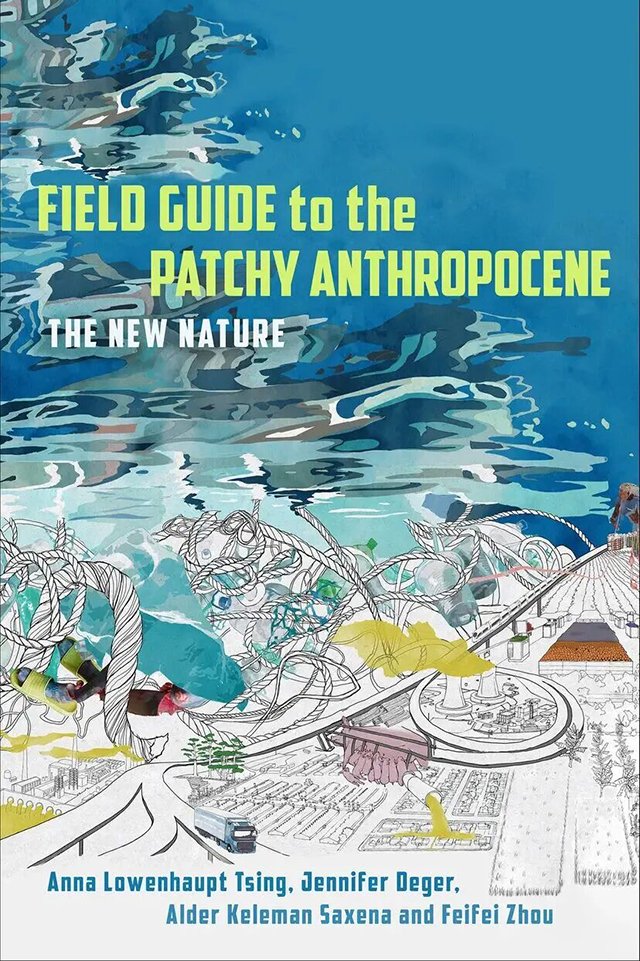
Anna Lowenhaupt Tsing, Jennifer Deger, Alder Keleman Saxena, and Feifei Zhou, Field Guide to the Patchy Anthropocene: The New Nature (Stanford University Press, 2024)
Understanding the nature of human transformation of the Earth is more important than ever. The effects of human activity are global in scope, but take shape within distinct social and ecological “patches,” discontinuous regions within which the key actors may not be human, but the plants, animals, fungi, viruses, plastics, and chemicals creating our new world. Field Guide to the Patchy Anthropocene takes stock of our current planetary crisis, leading readers through a series of sites, thought experiments, and genre-stretching descriptive practices to nurture a revitalized natural history.
This Field Guide shifts attention away from knowledge extractive practices of globalization to encourage skilled observers of many stripes to pursue their commitments to place, social justice, and multispecies community. It is through attention to the beings, places, ecologies, and histories of the Anthropocene that we can reignite curiosity, wonder, and care for our damaged planet.
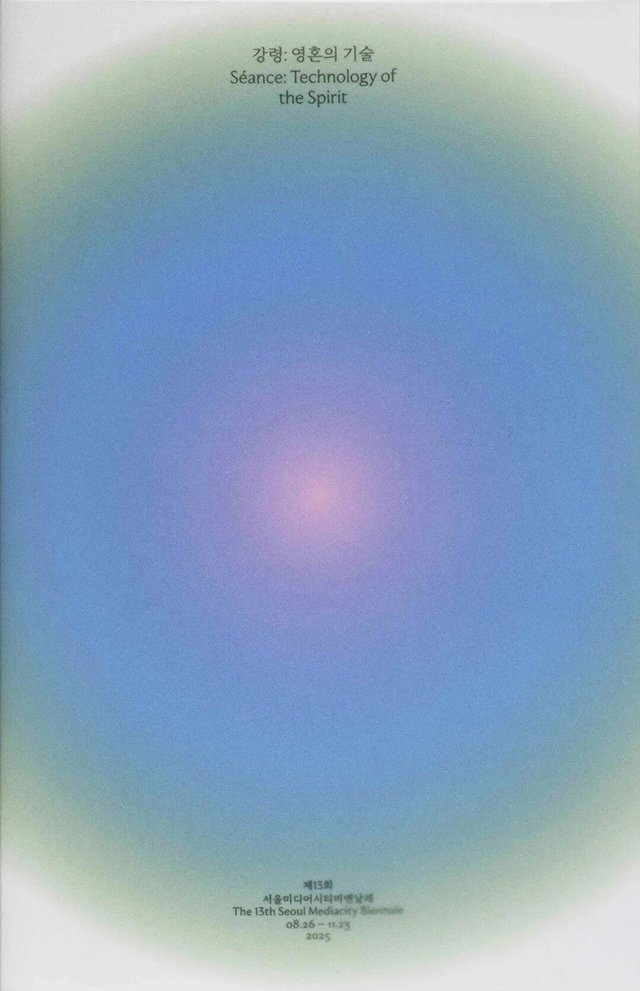
Anton Vidokle, Hallie Ayres, and Lukas Brasiskis, Séance: Technology of the Spirit (Mediabus, 2025)
This richly illustrated publication documents, contextualizes, and expands upon the 13th Seoul Mediacity Biennale, Séance: Technology of the Spirit.
Curated by Anton Vidokle, Hallie Ayres, and Lukas Brasiskis, Séance: Technology of the Spirit explores the entanglement of art and spiritual practice from the dawn of modernity to the present, connecting the mystics and mediums who prefigured the emergence of modern and abstract art to contemporary artists from around the world. Comprising 340 color pages across 650 in total, this bilingual English–Korean publication presents a map of that complex historical relationship.
Eleven newly commissioned texts reflect on the influence of marginalized belief systems on the development of modern and contemporary art, collectively proposing an alternative—or complement—to the prevailing formalist, social, or materialist accounts.
Literary and Art Studies
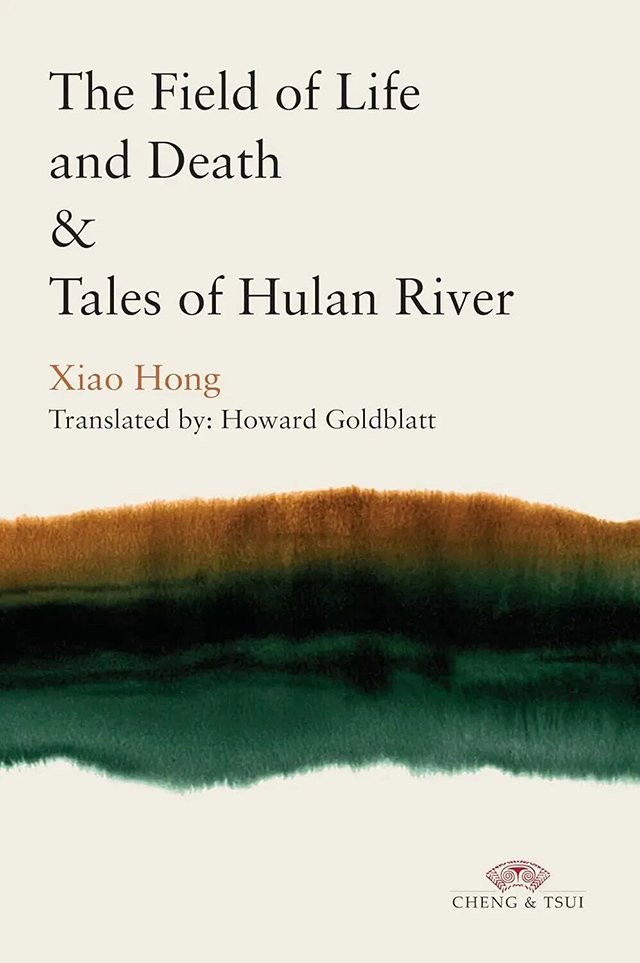
Xiao Hong, The Field of Life and Death, Tales of Hulan River (Cheng & Tsui, 2023)
The Field of Life and Death & Tales of Hulan River offer a vivid and poignant portrayal of rural China during periods of poverty, war, and conflict in the 1930s. These two works by Xiao Hong, who is known for her unflinching portrayals of rural China, are considered both pioneering and modern classics. This is the English version translated by Howard Goldblatt in 1979.
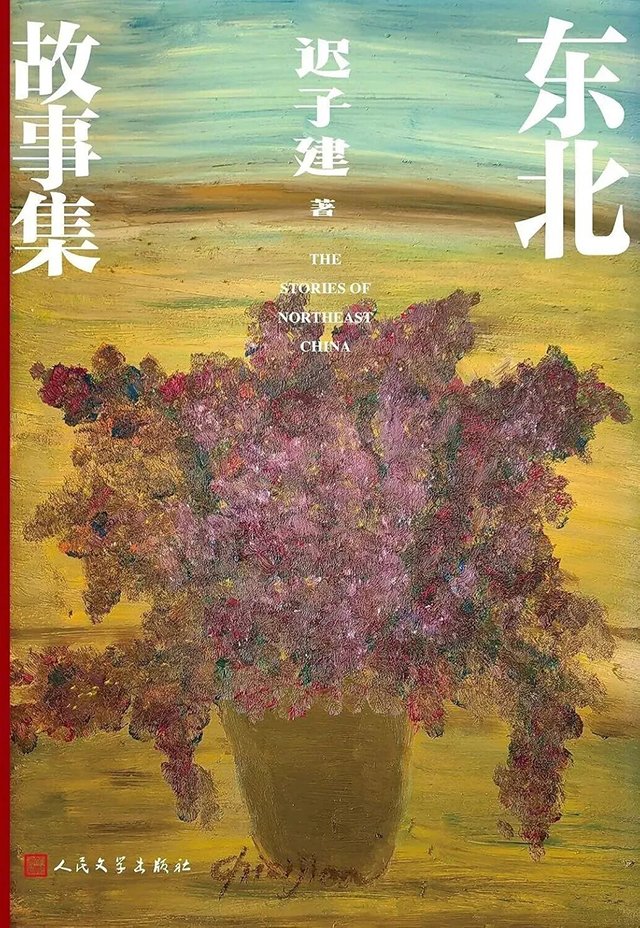
迟子建,《东北故事集》(人民文学出版社,2024)
The Stories of Northeast China is a collection of three short and medium-length stories by Chi Zijian. The Sound of Sipping Soup focuses on the Hailanpao Massacre, recounting the epic tale of life, death, love, and hatred spanning three generations of the Halaobo family along the banks of the Heilongjiang River; The White-Glazed Black-Patterned Jar and the Stele Bridge takes Emperor Huizong of the Song Dynasty’s years of imprisonment as its starting point, unfolding a transcendent journey through time that blurs the lines between reality and fantasy, embracing and parting, honor and disgrace, and rise and fall; The Wheels Crushing the Oracle Bones takes the dispersal of Luo Zhenyu’s oracle bone collection during the late Qing dynasty as its starting point, exploring the faint glimmer of light within the human psyche through a shrouded disappearance case.
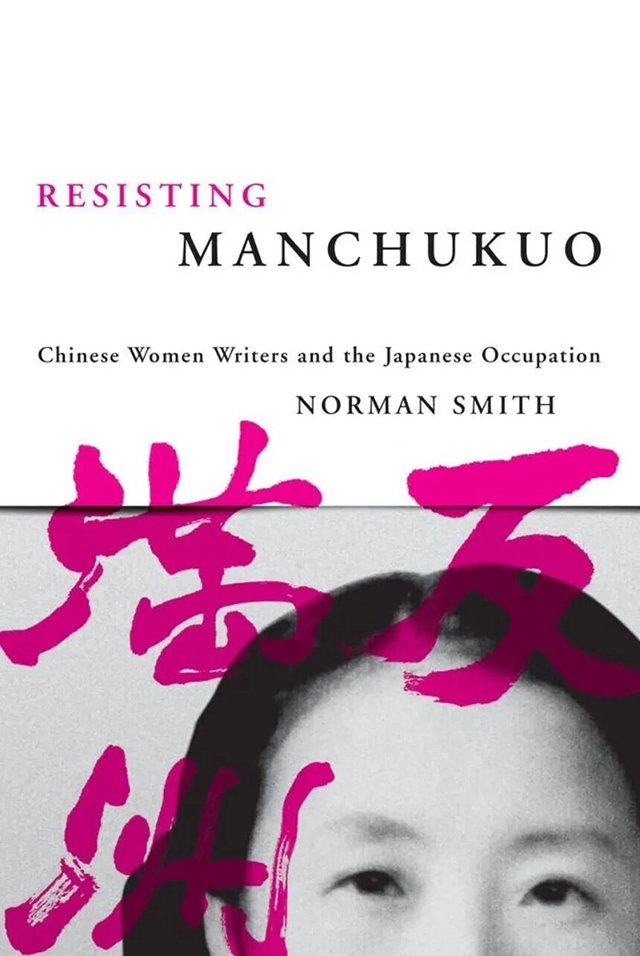
Norman Smith, Resisting Manchukuo: Chinese Women Writers and the Japanese Occupation (UBC Press, 2007)
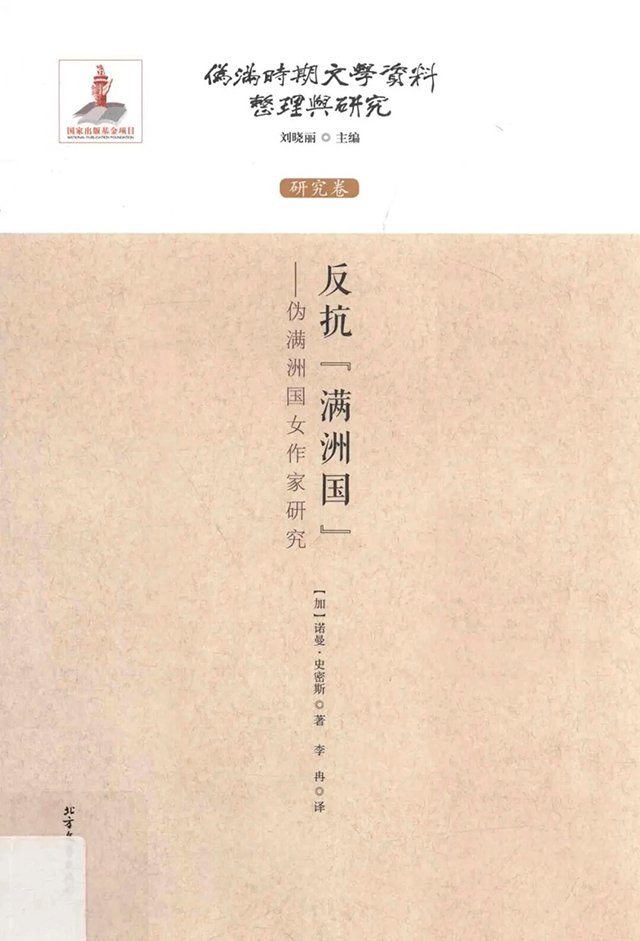
诺曼·史密斯,《反抗“满洲国”:伪满洲国女作家研究》 (北方文艺出版社,2017)
Resisting Manchukuo reveals the literary world of Japanese-occupied Manchuria (Manchukuo, 1932-45) and examines the lives, careers, and literary legacies of seven prolific Chinese women writers during the occupation.
In Manchukuo, a complex blend of fear and freedom produced an environment in which Chinese women writers could articulate dissatisfaction with the overtly patriarchal and imperialist nature of the Japanese cultural agenda while working in close association with colonial institutions.
The first book in English on women’s history in twentieth-century Manchuria, Resisting Manchukuo adds to a growing literature that challenges traditional understandings of Japanese colonialism.
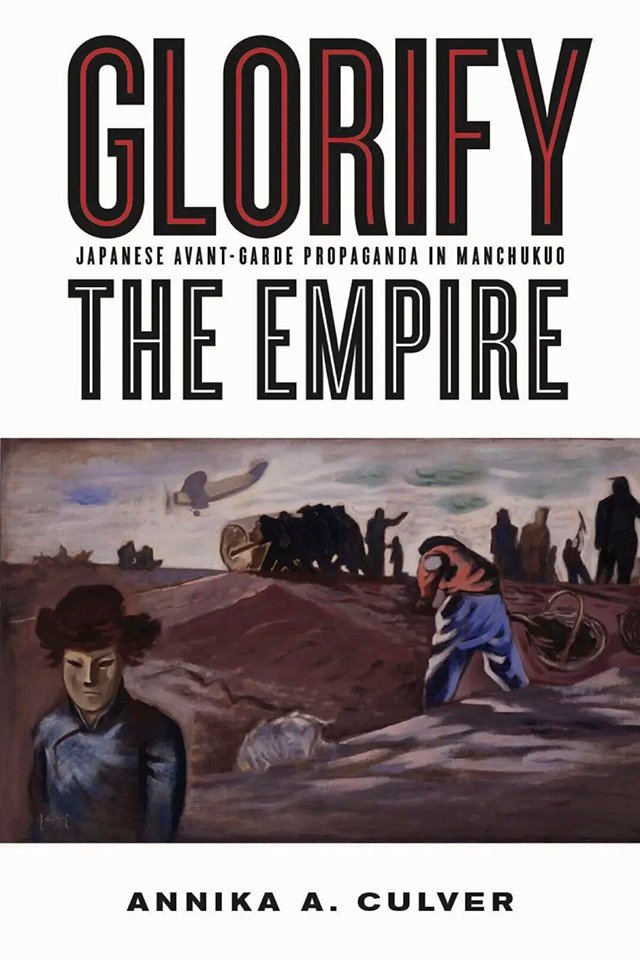
Annika A. Culver, Glorify the Empire Japanese Avant-Garde Propaganda in Manchukuo (UBC Press, 2013)
In the 1930s and ’40s, Japanese rulers in Manchukuo enlisted writers and artists to promote imperial Japan’s modernization program. Ironically, the cultural producers chosen to spread the imperialist message were previously left-wing politically. In Glorify the Empire, Annika A. Culver explores how these once anti-imperialist intellectuals produced avant-garde works celebrating the modernity of a fascist state and reflecting a complicated picture of complicity with, and ambivalence toward, Japan’s utopian project. A groundbreaking work, this book magnifies the intersection between politics and art in a rarely examined period of Japanese history.
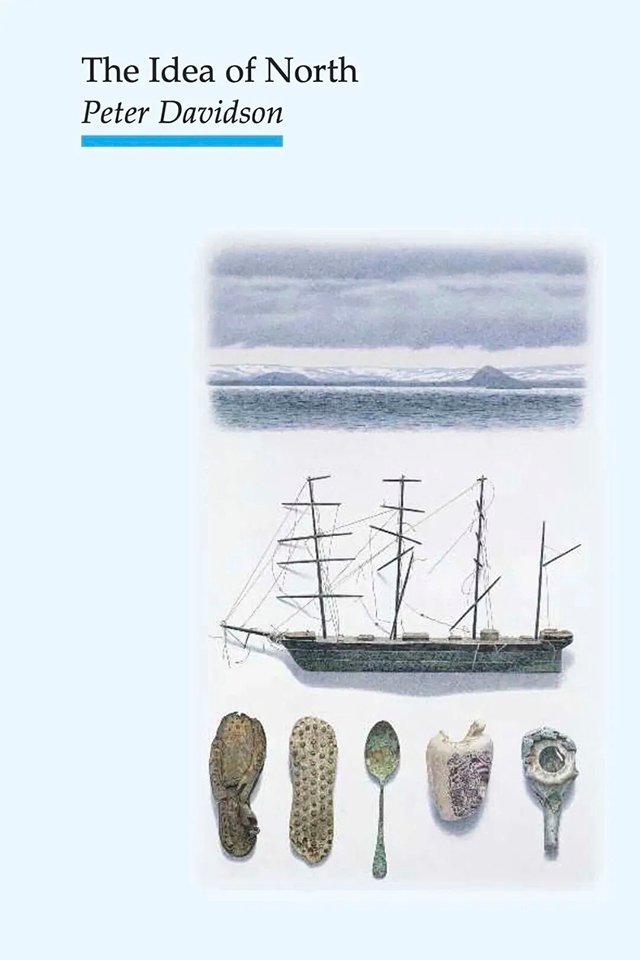
Peter Davidson, The Idea of North (Reaktion Books, 2016)
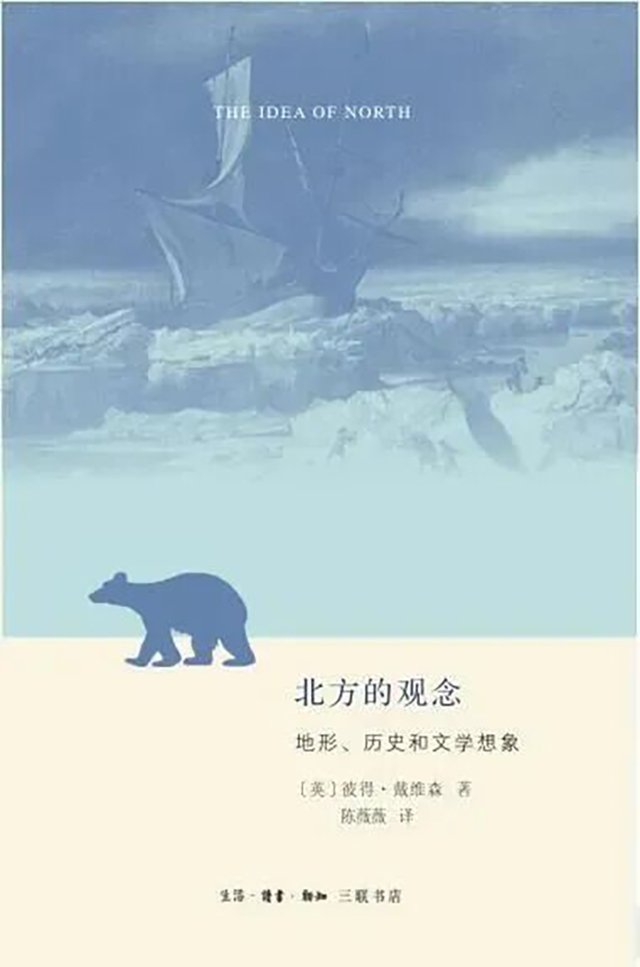
彼得·戴维森,《北方的观念:地形、历史和文学想象》(生活·读书·新知三联书店,2019)
As with the compass needle, so people have always been most powerfully attracted northwards; everyone carries within them their own concept of north. The Idea of North is a study, ranging widely in time and place, of some of the ways in which these ideas have found expression. Offering engaging meditation on solitude, absence and stillness, Davidson shows north to be a goal rather than a destination, a place of revelation that is always somewhere ultimate and austere. Like the theme of “Changbai Spring 2026,” the title of this book was also inspired by Glenn Gould’s 1967 radio program The Idea of North; however, the author primarily examines how poets, writers, and artists have constructed “the idea of North” from a literary and artistic perspective.